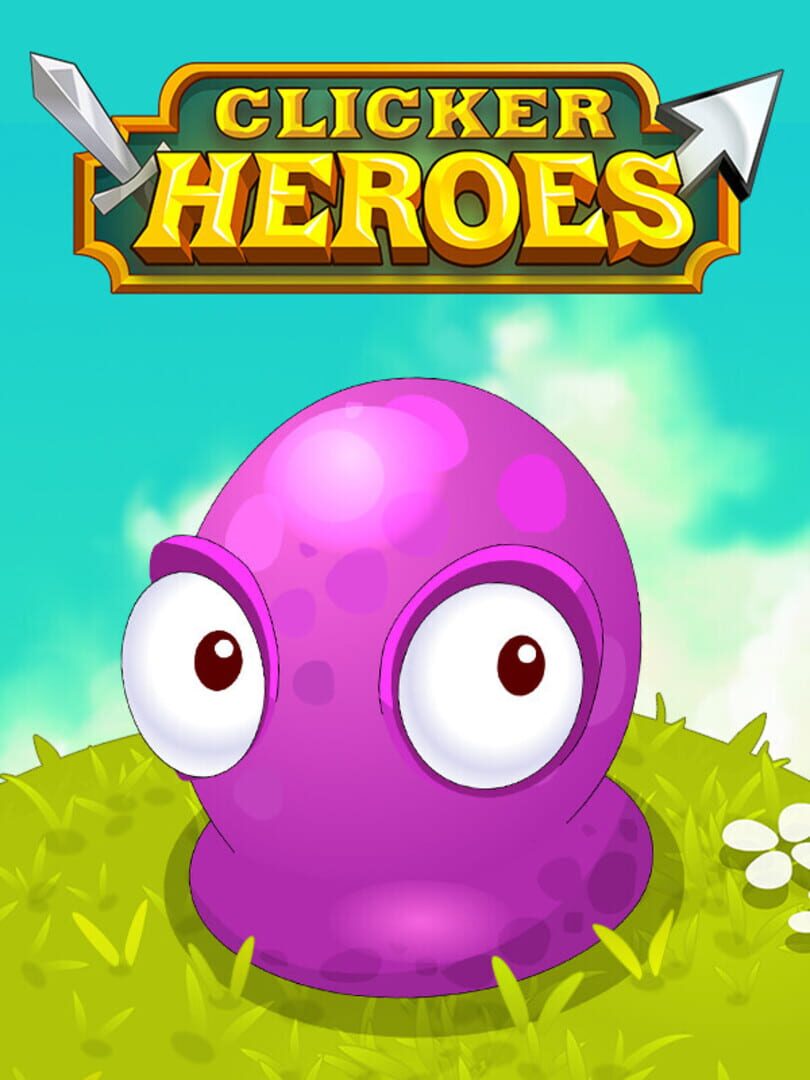
Clicker Heroes is the 'junk food' of the gaming world. It’s a 2014 classic of the 'idle' genre that basically invented the loop of clicking a monster, getting gold, and hiring a Viking to click the monster for you. It’s not 'bad' in the sense of being violent or scary, but it is a massive vacuum for attention.
The real risk here isn't the cartoon monsters; it's the intentional design meant to create a compulsive habit. It’s the kind of thing a kid leaves running in a browser tab behind their math homework. If your kid is playing this, they aren't 'gaming' in a creative or strategic sense—they're just participating in a resource-management loop that never ends.
Age Fit
Best for kids 8 and up who have a handle on large numbers, but keep an eye on the 'idle' genre's tendency to become a 24/7 background obsession.
WISE Breakdown
Wholesome
60
The tone is light and cartoonish with zero edge. It's essentially a spreadsheet with a fantasy skin, so while it's not 'inspiring,' it’s entirely free of toxic themes.
Imaginative
25
There is almost no creative expression here. You aren't building a world or solving puzzles; you are clicking a button to make a number get bigger so you can click the button faster.
Safe
42
While the content is G-rated, the game is built on a 'compulsive loop' design. It uses psychological tricks to keep players coming back, paired with microtransactions to skip the grind.
Enriching
20
Unless you count learning scientific notation (quadrillions, quintillions) as a core curriculum, there's very little 'meat' here for a kid's development.
Parent Info
✓
Why It Might Be Great
Mathematical scale is actually impressive; kids get a front-row seat to how exponential growth works.
Low pressure gameplay means no 'game over' screens or high-stress combat, making it a low-stakes distraction.
Sense of progression is constant, giving a quick hit of dopamine for reaching new 'zones' or hiring new heroes.
⚠
What to Watch For
The 'Ruby' shop is always a click away. It’s easy to feel like you need to spend a few bucks to get past a boss that's slowing you down.
It's designed to be always on. Because it progresses while the game is closed, it creates a 'check-in' habit that can interfere with homework or sleep.
The gameplay is purely Skinner Box. There is no ending, no story, and no skill—just the endless pursuit of a larger number.
Conversation Starters
"Why does it feel so good to see that damage number go up?"
"If a game plays itself while you're asleep, are you actually playing the game?"
"Do you think the developers want you to have fun, or just keep the window open?"
"At what point does the 'grind' stop being a game and start being a chore?"