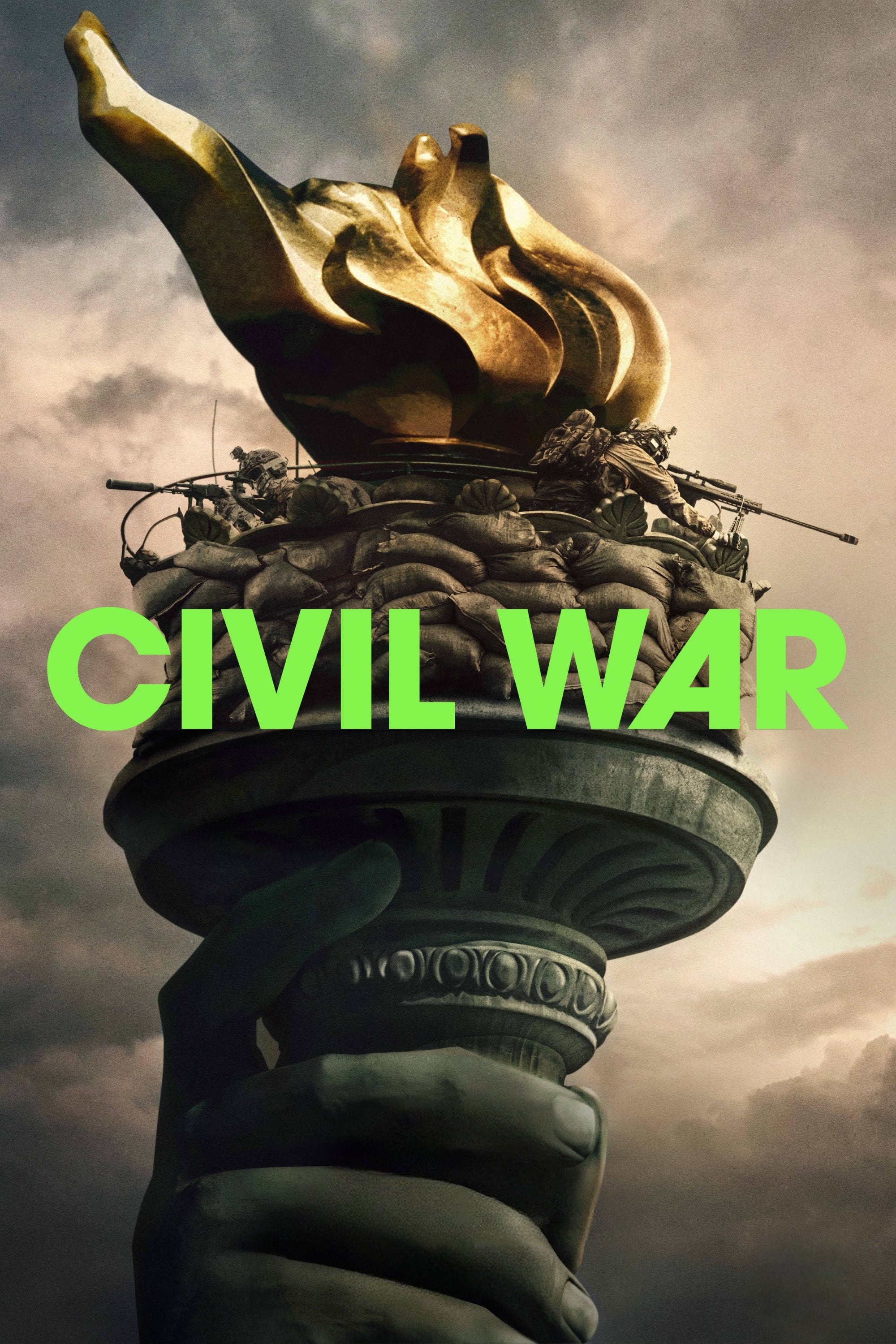
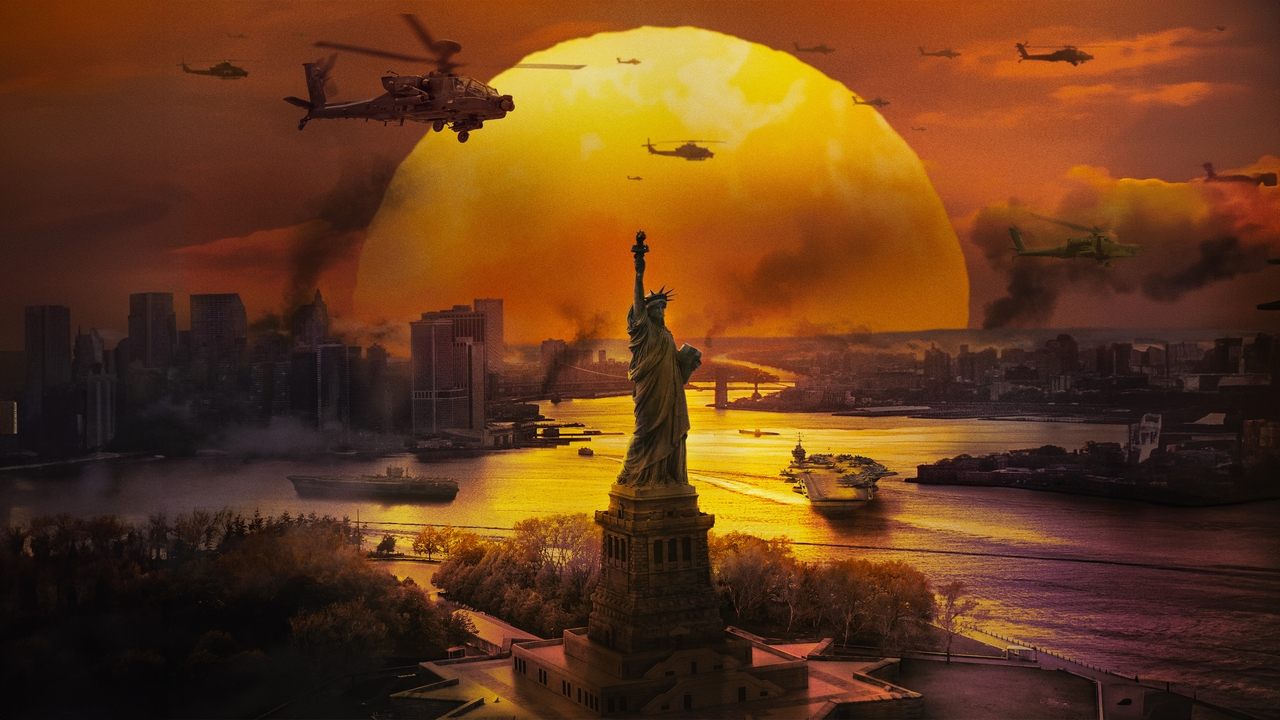
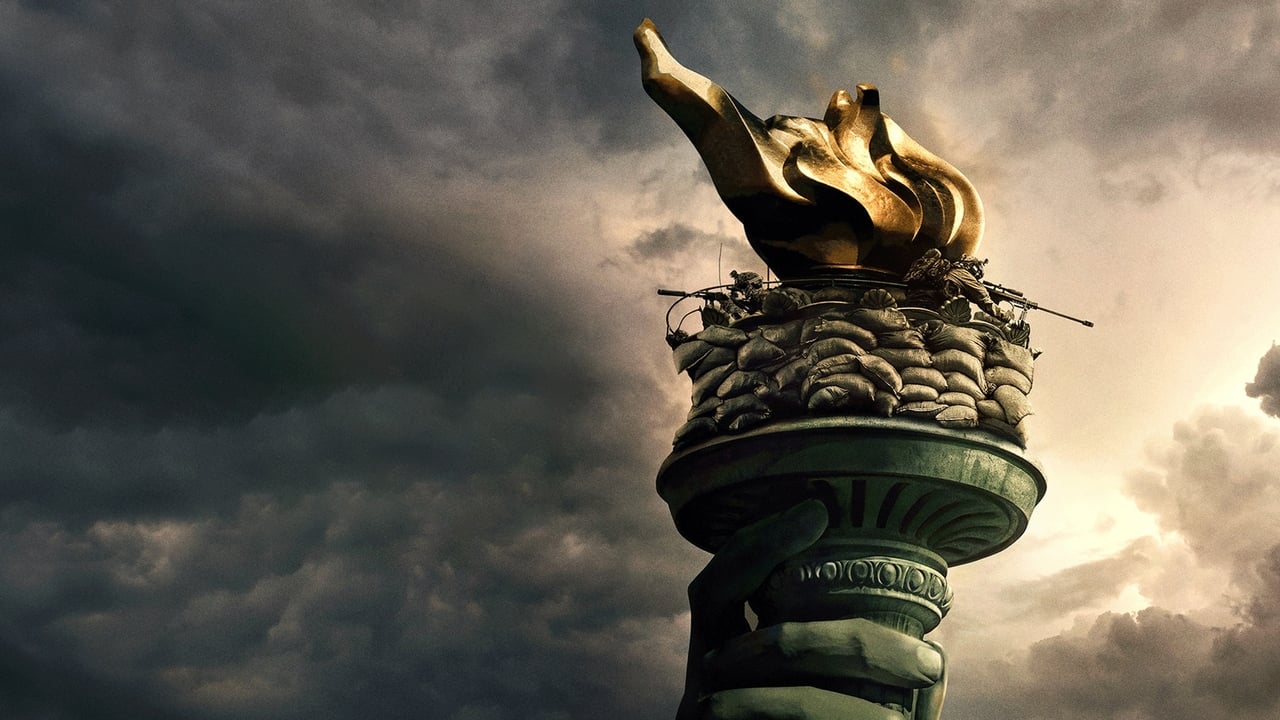
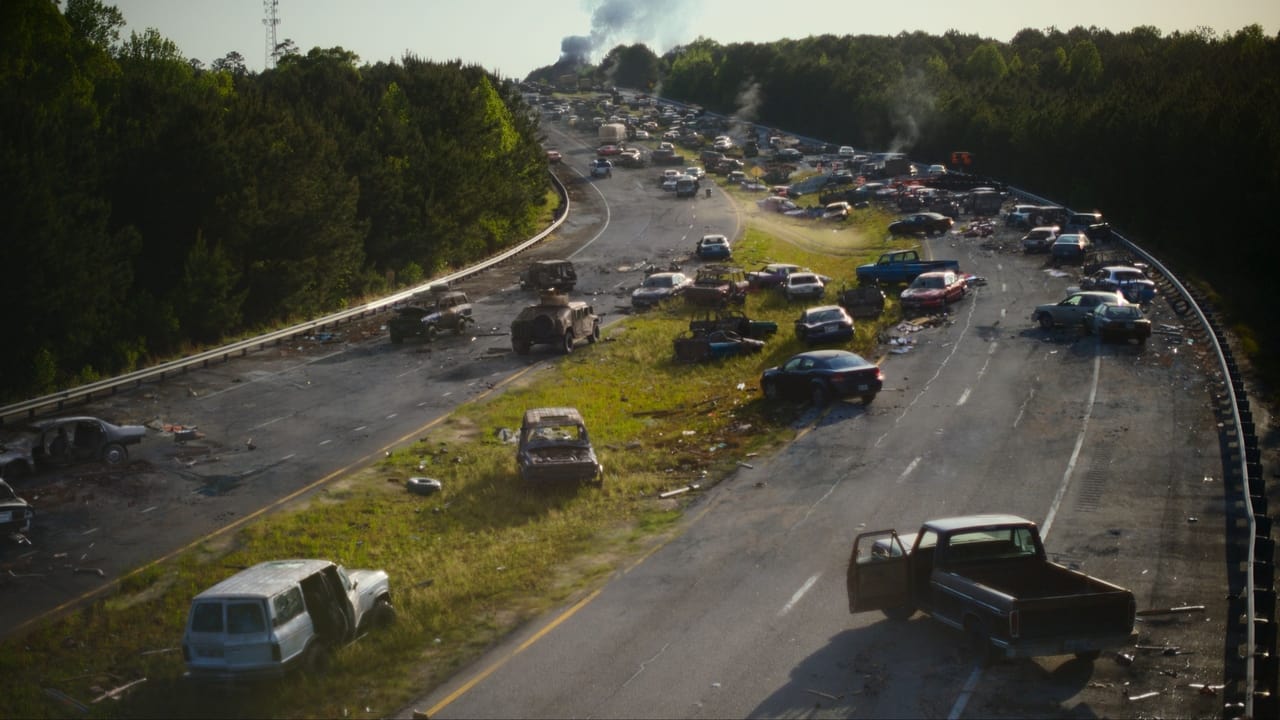
The movie is a total gear-shift for anyone expecting a traditional war flick. Most combat movies want you to pick a side and cheer when the "bad guys" explode. This story doesn't give you that satisfaction. It is a road trip movie through a familiar landscape that has turned alien, and it refuses to hand you a map for the politics involved.
The "Journalist as Protagonist" Problem
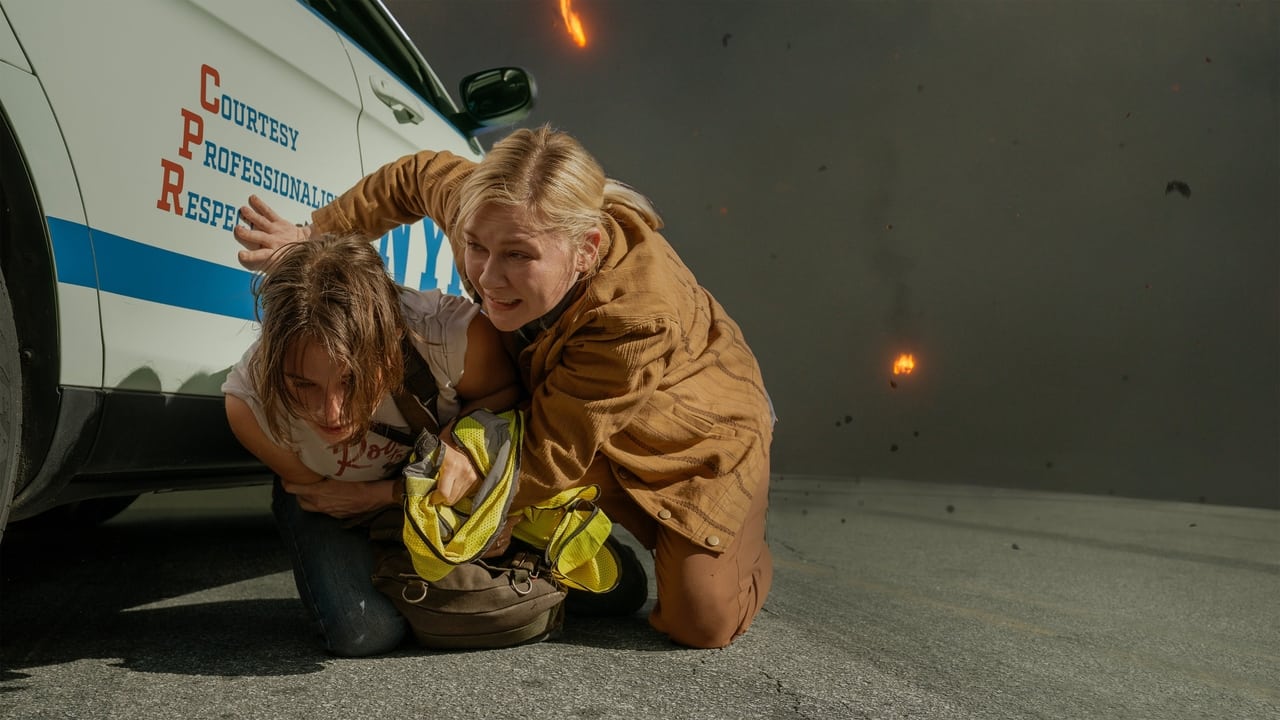
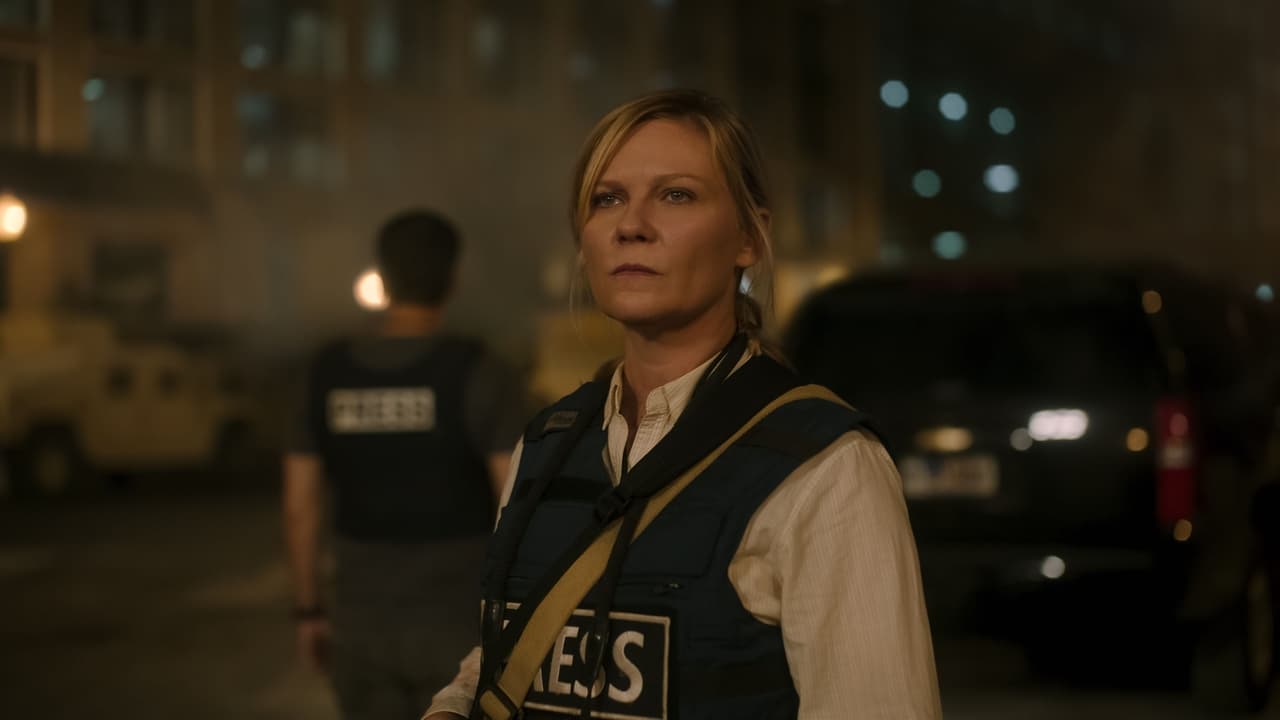
Most teens are used to heroes who jump into the fray to save the day. Here, the protagonists are essentially professional ghosts. They watch, they click a shutter, and they move on. It creates a weird friction for the viewer. You might find yourself wanting them to help someone, but their survival depends on them doing absolutely nothing but witnessing.
If your kid is into photography or wants to be a journalist, this is a masterclass in the ethics of the lens. It asks a brutal question: when does "documenting" become "exploiting"? It’s a much colder, more cynical take on media than something like Spider-Man or Nightcrawler.
Not Your Average Combat
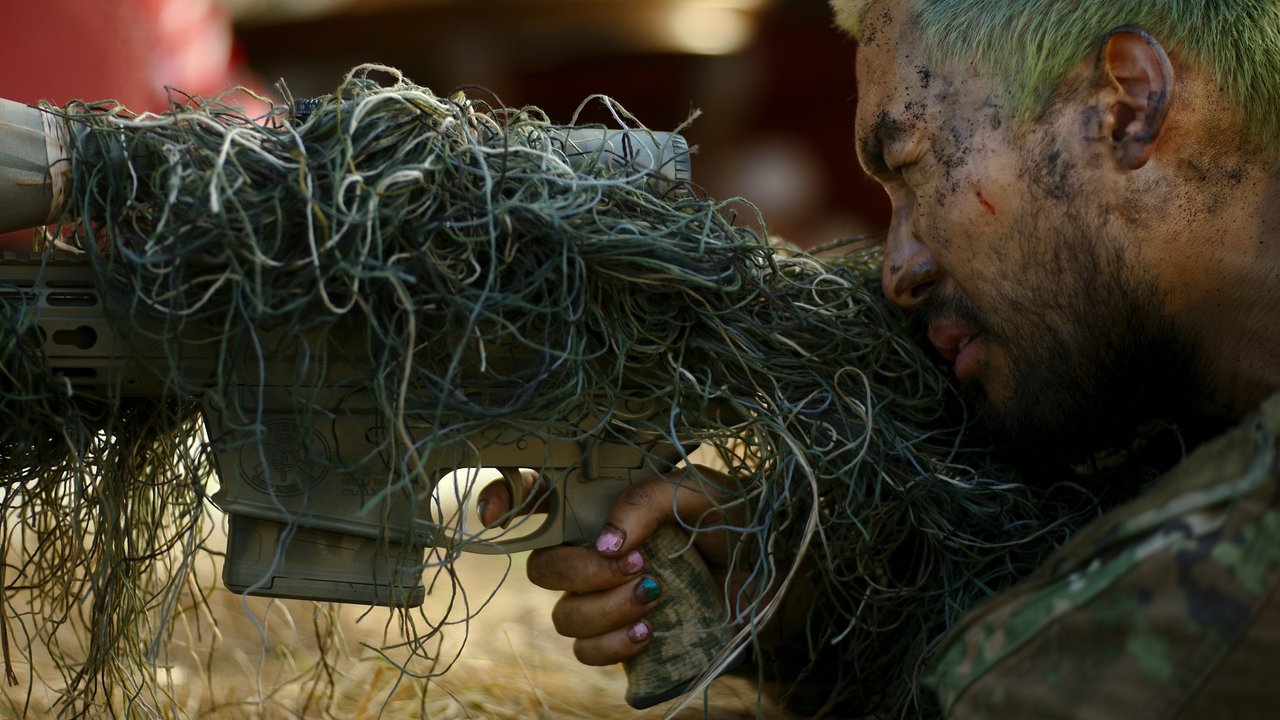
The sound design is the real star here. Forget the cinematic, orchestral swells of most action movies. The gunfire in this film is ear-splitting and flat. It sounds like a construction site from hell. This choice is intentional; it strips the "adventure" out of the violence.
It’s a good reminder that Alex Garland’s Civil War: A Brutal Road Trip Your Kids Should Probably Skip isn't trying to make war look cool or heroic. It makes it look like a series of terrifying, random mistakes. If your teen plays a lot of Call of Duty, the contrast here will be jarring. In games, war is a series of objectives; here, it’s just a series of tragedies that nobody really understands.
The Plemons Factor
While the tension is high throughout, the scene with the soldier played by Jesse Plemons is the one that will stick. It’s not a jump scare or a typical movie confrontation. It’s a slow-burn realization that the rules of society have completely evaporated. The "What kind of American are you?" question is the peak of the movie's psychological pressure. If your teen handled the high-tension moments in The Last of Us or the grim reality of Children of Men, they can likely handle this, but the lack of a "hero" narrative makes it feel much heavier.
Why It Sticks
Critics liked it more than the general audience, which is usually a sign that a movie is doing something challenging rather than something "fun." With an 81% critic score on Rotten Tomatoes, the consensus is that it’s a technical achievement. The audience score sitting lower at 69% likely reflects viewers who wanted a clear political message and got a mirror instead. It’s a film that refuses to explain itself, which is exactly why you’ll still be talking about it at breakfast the next morning.