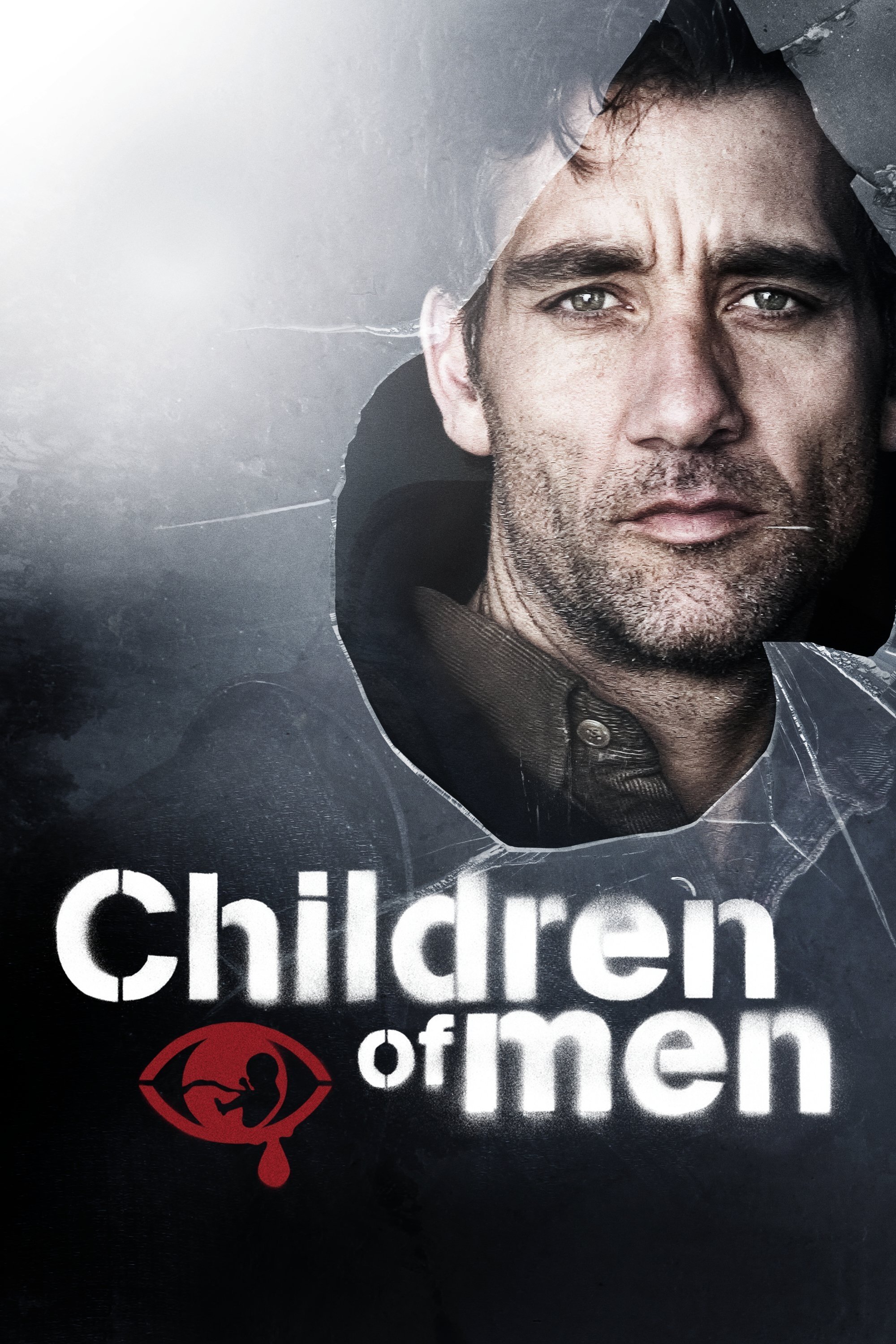
The "Used Future" hits different in 2026
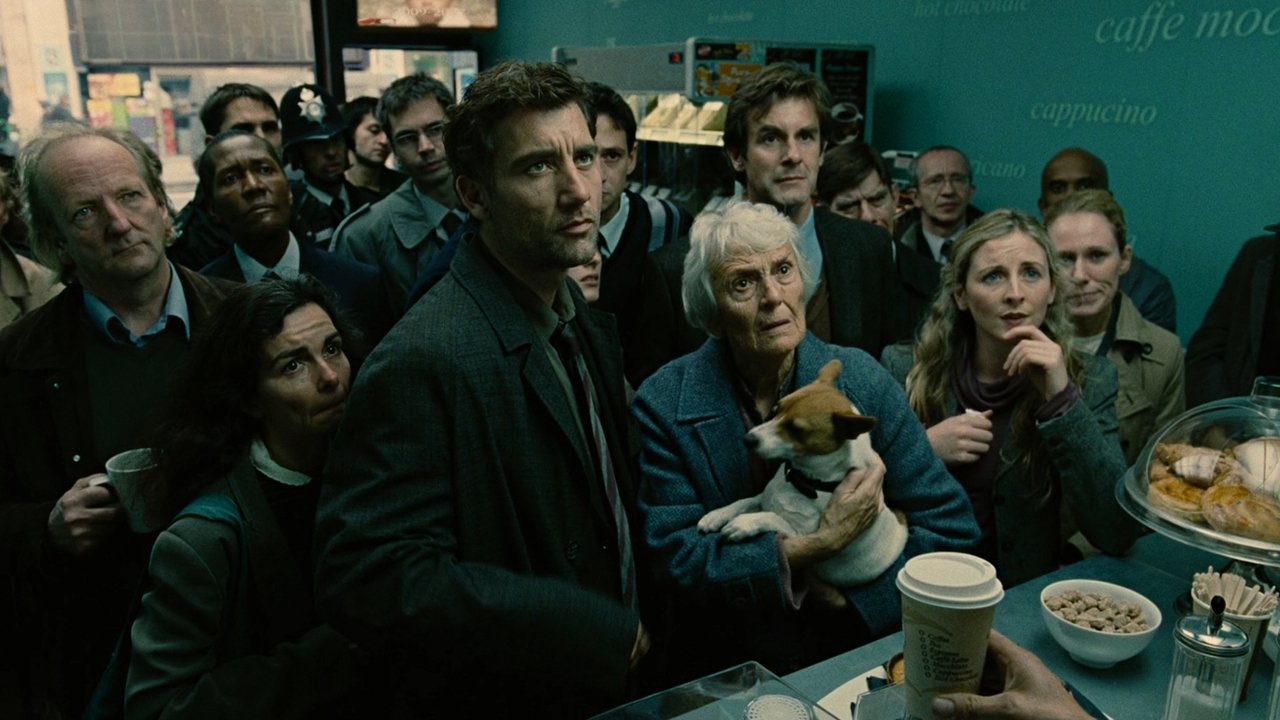
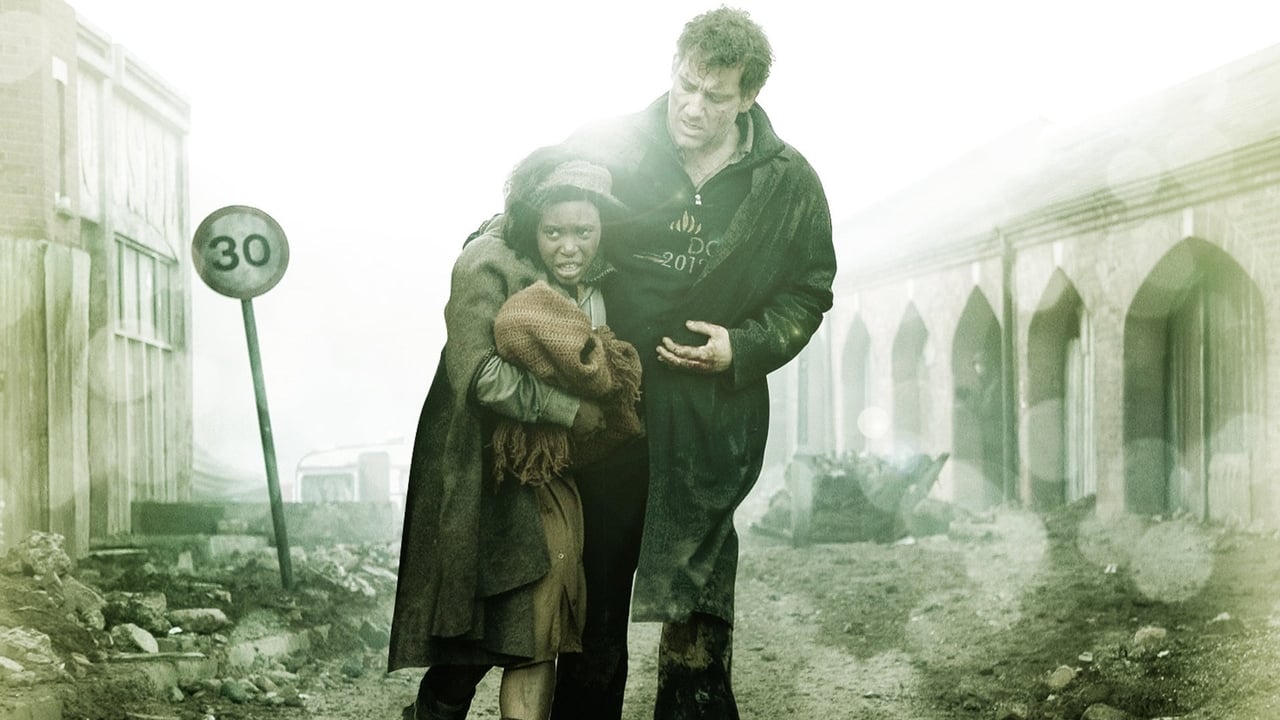
We are officially one year away from the movie’s setting of 2027, and the most unsettling thing about Children of Men isn't the sci-fi premise of global infertility. It’s how recognizable the world looks. Most dystopian movies go for shiny chrome or neon ruins, but this world just looks like a Tuesday in a city that hasn’t seen a janitor in a decade.
The director opted for a "used future" aesthetic that feels lived-in and decaying. Everything is covered in a layer of grime, newspapers are still a primary source of info, and the technology is just slightly more annoying versions of what we already have. For a teen who grew up on the polished, CGI-heavy apocalypses of Marvel or The Hunger Games, this realism can be a total system shock. It’s not "cool" scary; it’s "this could be my neighborhood" scary.
A masterclass in the "long take"
If you have a kid who is even remotely interested in how movies are actually made, you watch this for the technical wizardry alone. Critics and fans on Reddit still obsess over the tracking shots—those long, continuous sequences where the camera doesn't cut away for minutes at a time.
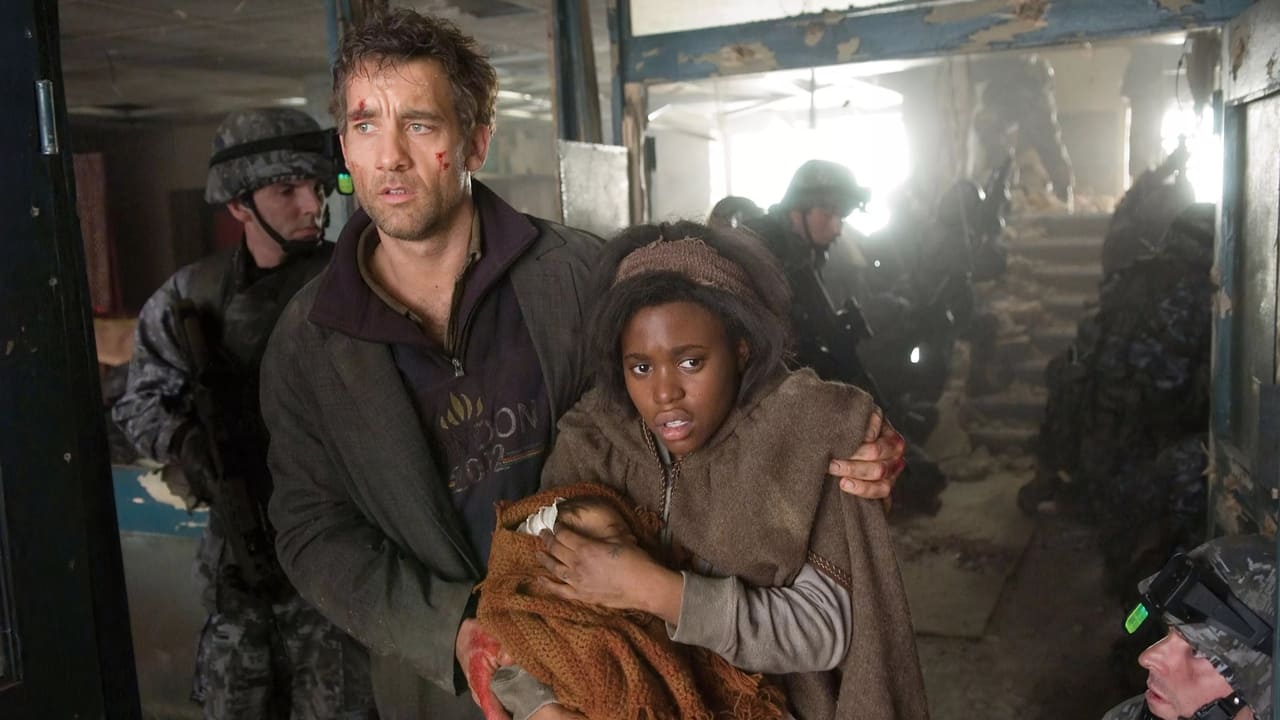
There are two specific sequences—one involving a car ambush and another in a chaotic war zone—that are widely considered some of the greatest feats in cinema history. Because the camera never blinks, you can’t look away either. It creates a level of anxiety and immersion that a standard action movie with 1,000 quick cuts can’t touch. It’s the difference between watching a fire from a distance and being stuck in the room with the smoke.
If they liked The Last of Us
The DNA of this movie is all over modern survival stories. If your teen spent the last few years obsessed with the "grumpy guy protects the world’s only hope" trope found in The Last of Us or The Mandalorian, they need to see the blueprint.
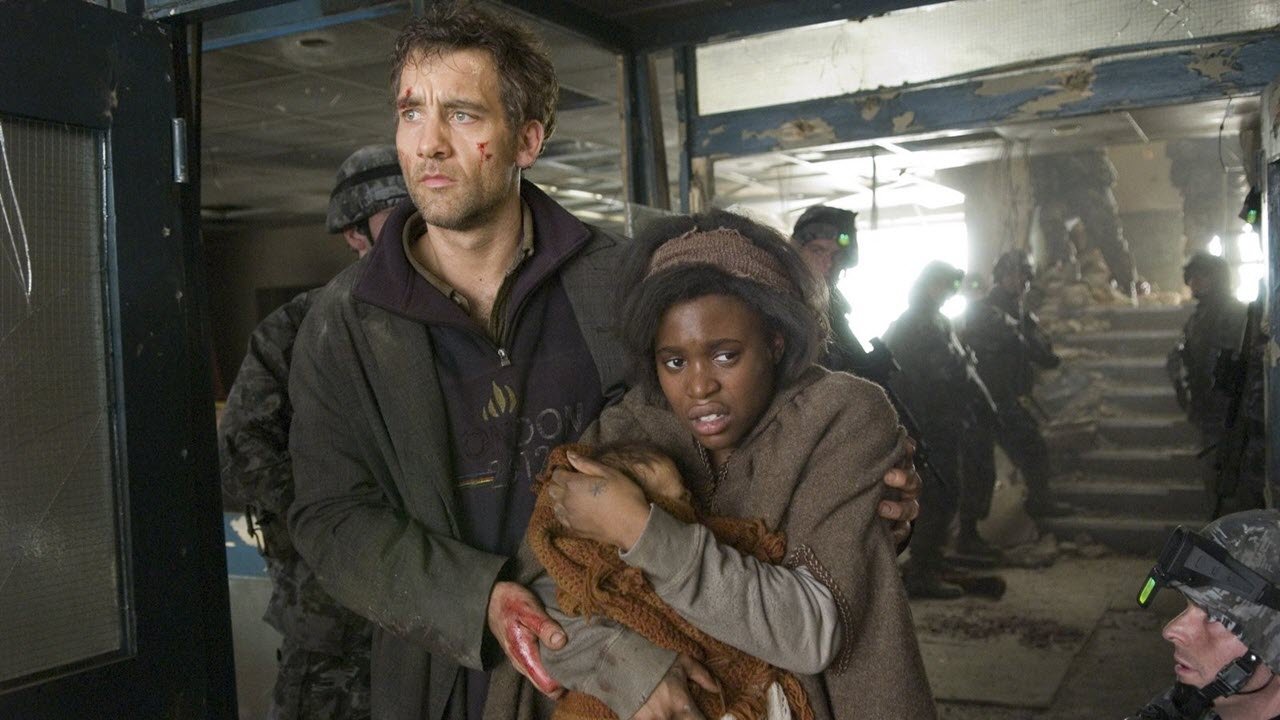
But fair warning: this is the "unfiltered" version. While those shows have moments of levity or "video game" logic where the hero heals instantly, Children of Men is relentless. There is no leveling up. Characters die abruptly, often in the middle of a sentence, and the violence is messy and unheroic. It’s a great pick if you want to move them away from "popcorn" media and into something that demands a real emotional response.
Why the Criterion Channel matters here
You’ll notice this is streaming on the Criterion Channel. For the uninitiated, that’s basically the "Hall of Fame" for movies. Watching it there usually means you get access to the behind-the-scenes features that explain how they pulled off those impossible shots.
If you’re watching with a 16-year-old, don't just let the credits roll and go to bed. The movie is packed with background details—billboards, graffiti, and TV news snippets—that tell the story of how the world collapsed without ever using a "Previously on..." monologue. It’s a perfect example of visual storytelling that respects the audience's intelligence.
The "Fisher King" of it all
One of the deeper cuts for the nerds is how the film mirrors the Fisher King mythology, a story about a wounded king whose infertility mirrors the barrenness of his land. You don't need a literature degree to enjoy the movie, but knowing that the protagonist’s journey is a modern riff on an ancient legend adds a layer of weight to the ending. It’s a movie that rewards you for paying attention, which is a rare commodity in the era of second-screen scrolling.