The Physics of Denial
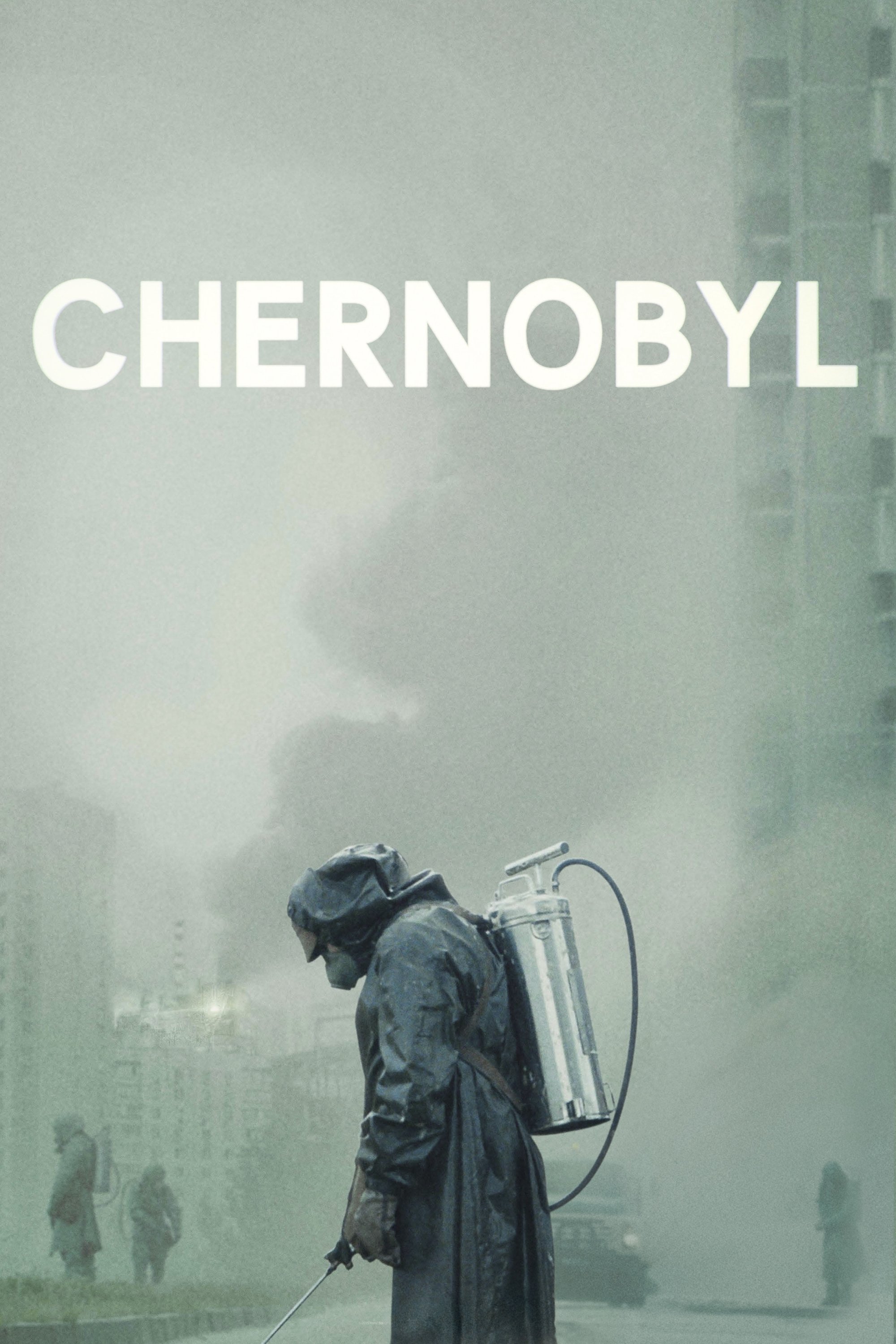
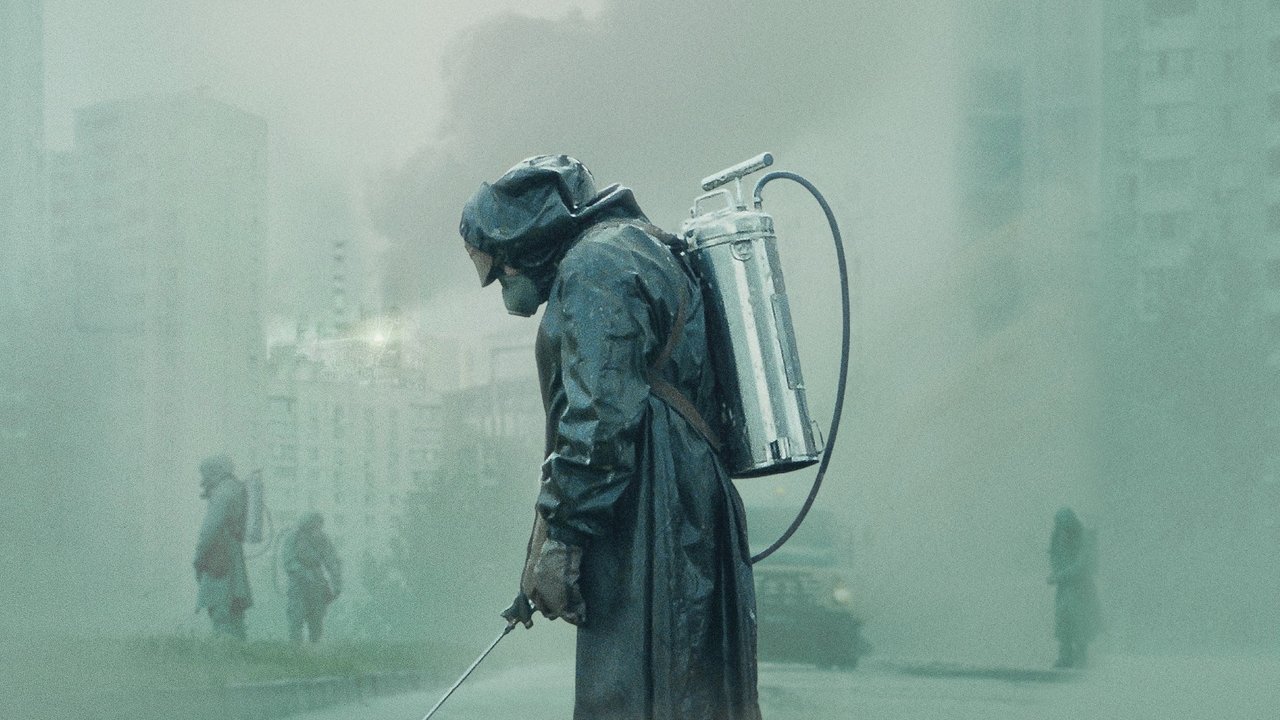
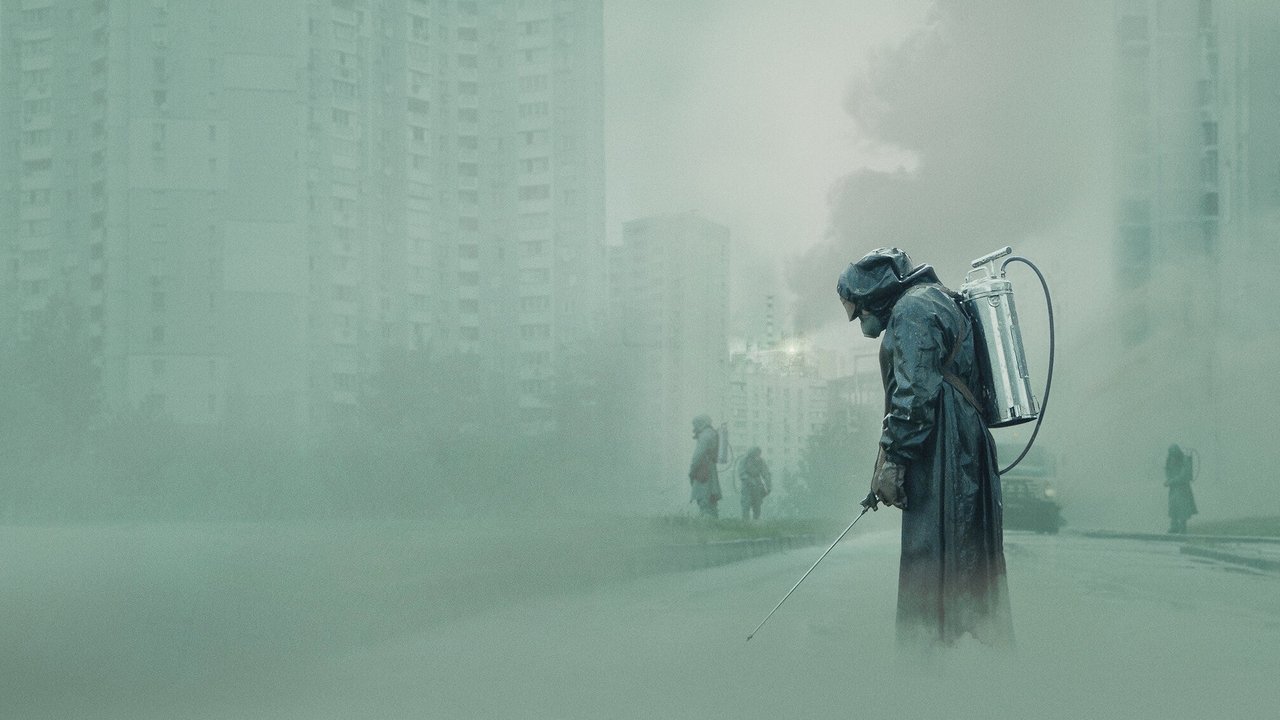
Most disaster media leans into cheap hysteria: roaring fires, CGI shockwaves, and screaming extras. Chernobyl takes the opposite route. The horror comes from quiet ticking dosimeters, graphite rocks sitting casually in gravel, and bureaucratic functionaries refusing to look out the window.
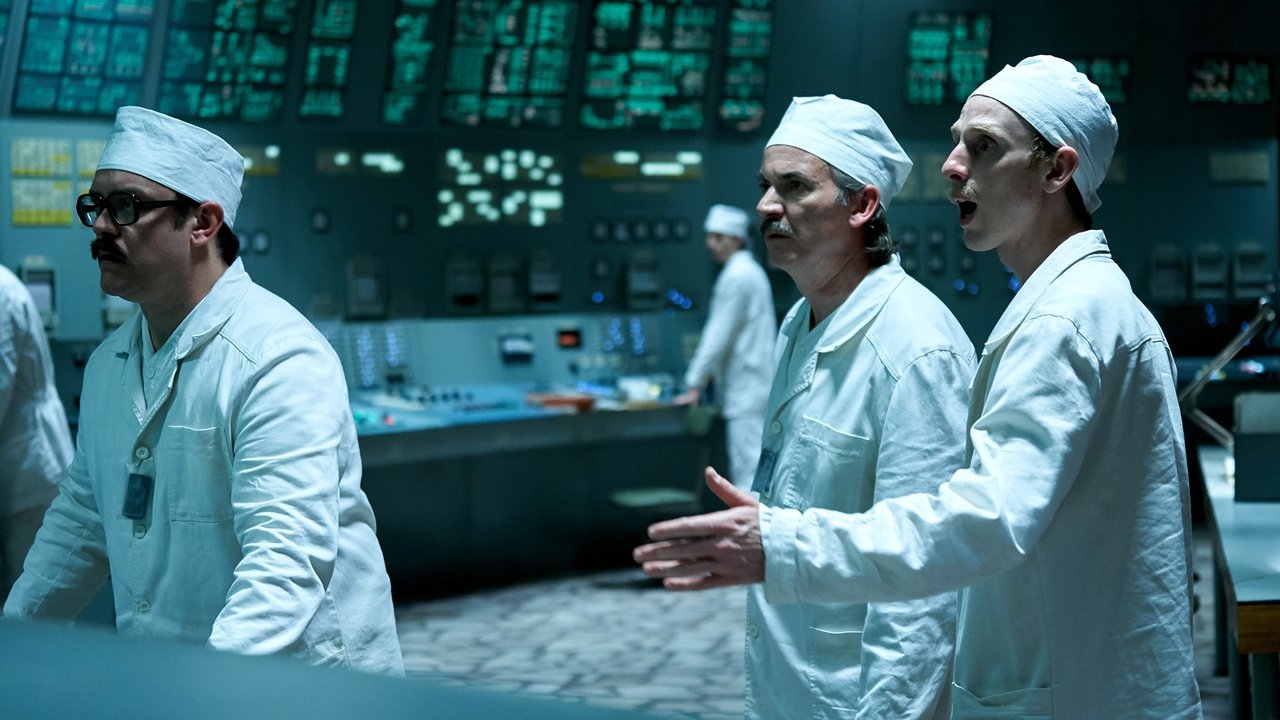
The real antagonist here is not the atom; it is the apparatus built to pretend the atom could never fail. Watching plant director Bryukhanov and chief engineer Fomin dismiss melting reactor cores because the low-range dosimeters top out at 3.6 roentgen is a chilling case study in confirmation bias.
Navigating the Trauma Points
If you sit down to watch this with a teenager, expect two major speed bumps:
- Episode 3's hospital ward: The medical progression of acute radiation syndrome is depicted with brutal realism. It is far more disturbing than standard movie gore because it is medically accurate and historically documented.
- Episode 4's liquidation detachment: The storyline following Pavel, a young conscript assigned to shoot pets left behind in Pripyat, is emotionally exhausting. If your teen is sensitive to animal harm, this hour will test them.
The Verdict for High Schoolers
For a sophomore or junior studying modern European history, the Cold War, or physics, Chernobyl makes abstract textbook concepts unforgettable. The fifth episode's courtroom scene, with Legasov using blue and red cards to explain xenon poisoning and control rod design flaws, does more to explain nuclear reactors than a month of physics lectures. Just be ready to sit alongside them through the dark parts.