A Different Kind of Veteran Story
Most movies about soldiers returning from war lean into the high drama of the transition or the visceral flashbacks of the battlefield. Causeway takes a different path. It spends its time in the mundane, frustrating moments of recovery: the physical therapy sessions, the struggle to remember words, and the awkwardness of returning to a childhood home that no longer fits.
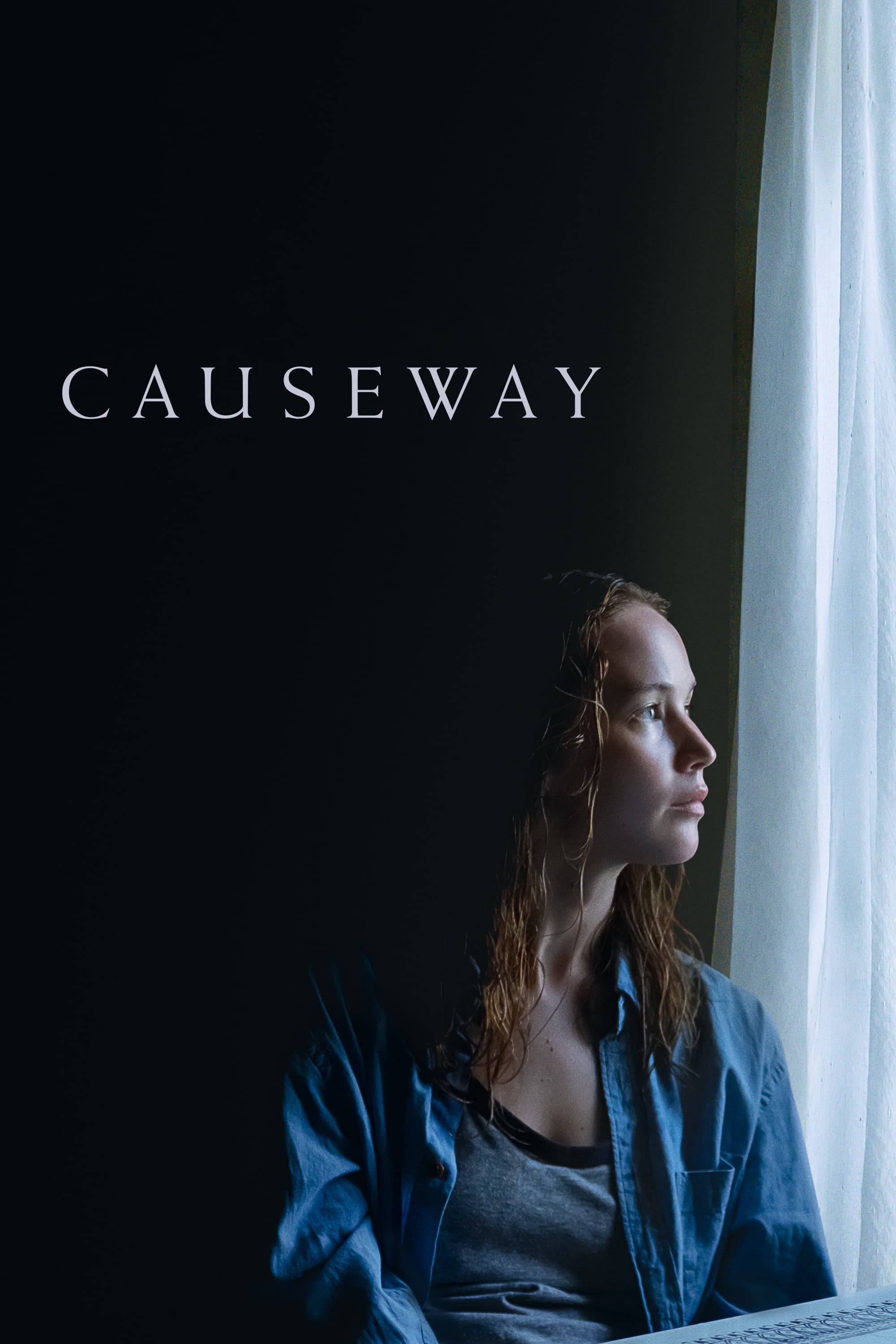
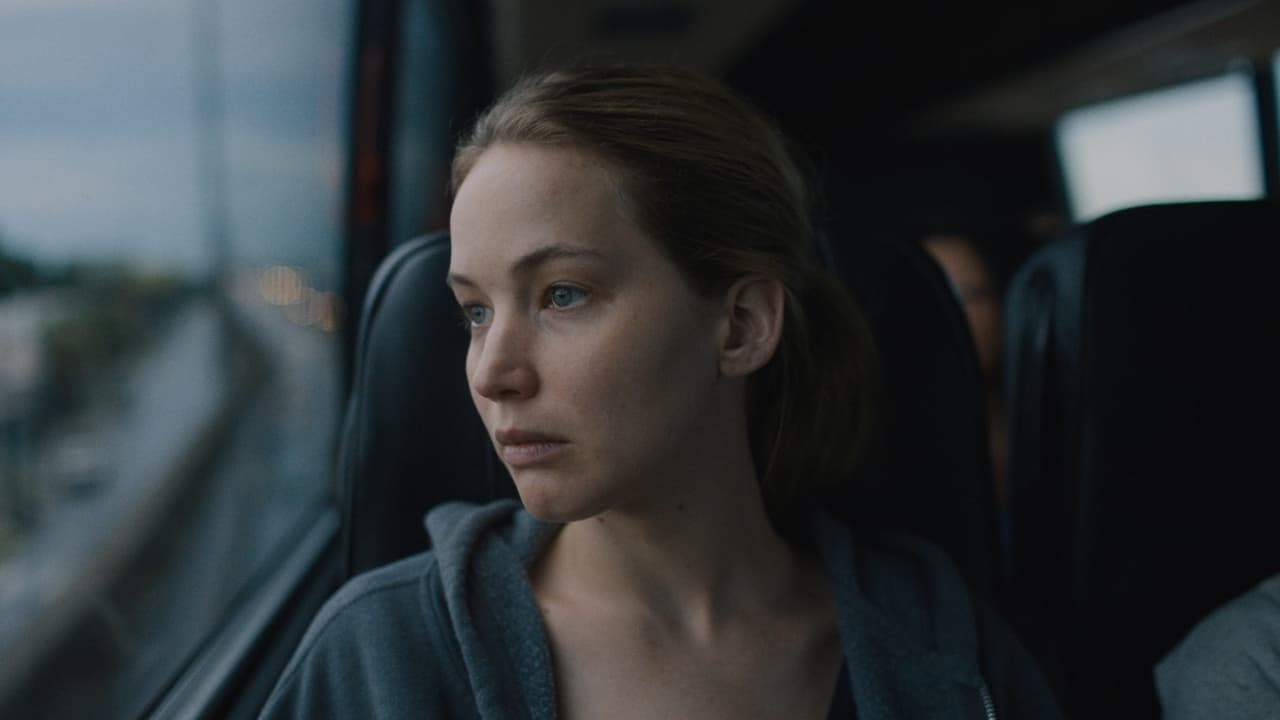
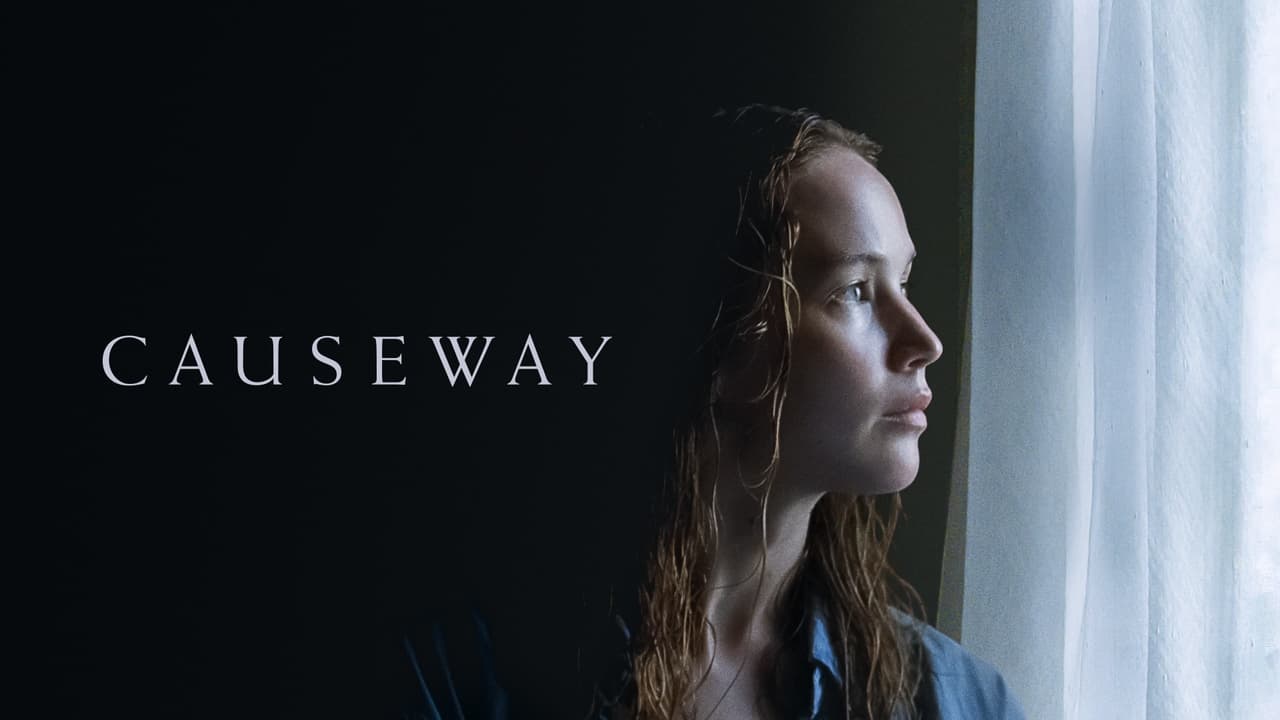
Jennifer Lawrence gives one of her most restrained performances as Lynsey, a soldier who was blown up in Afghanistan and is now cleaning pools in New Orleans while she waits for a doctor to sign off on her redeployment. Her desire to go back to a dangerous environment because it's the only place she feels she belongs is a heartbreakingly accurate portrayal of the struggle many veterans face.
The Power of the Platonic
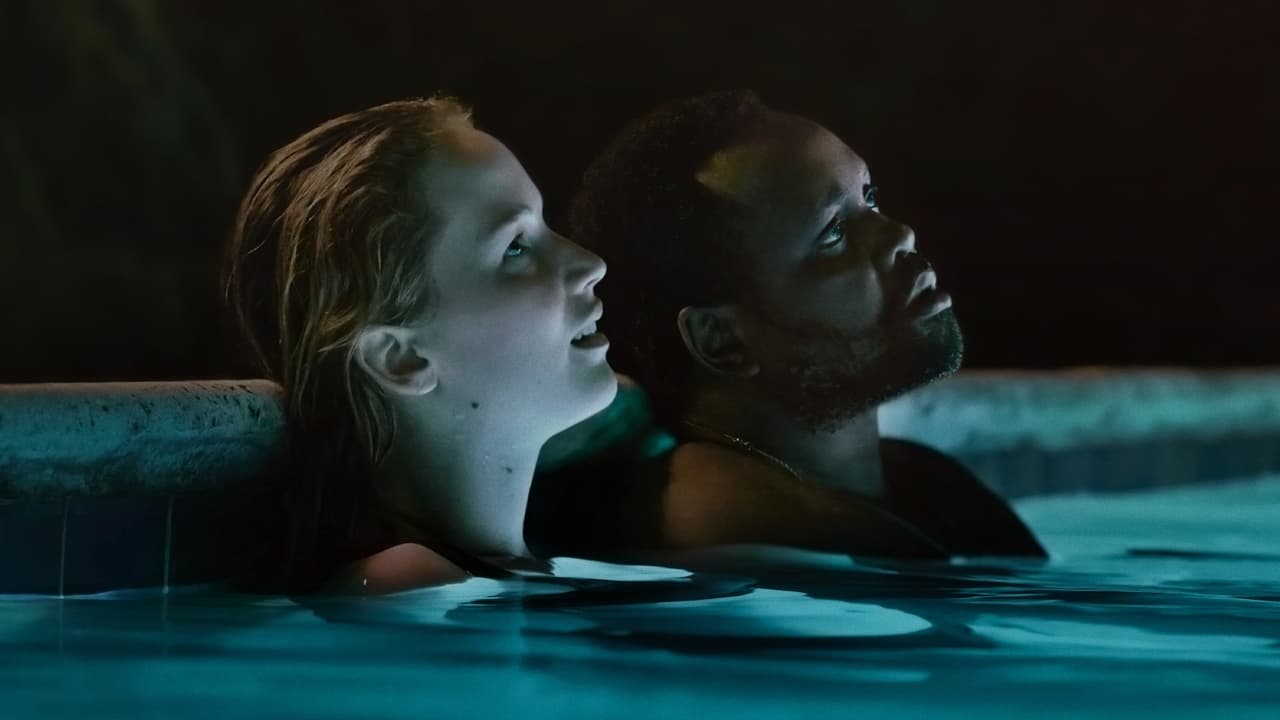
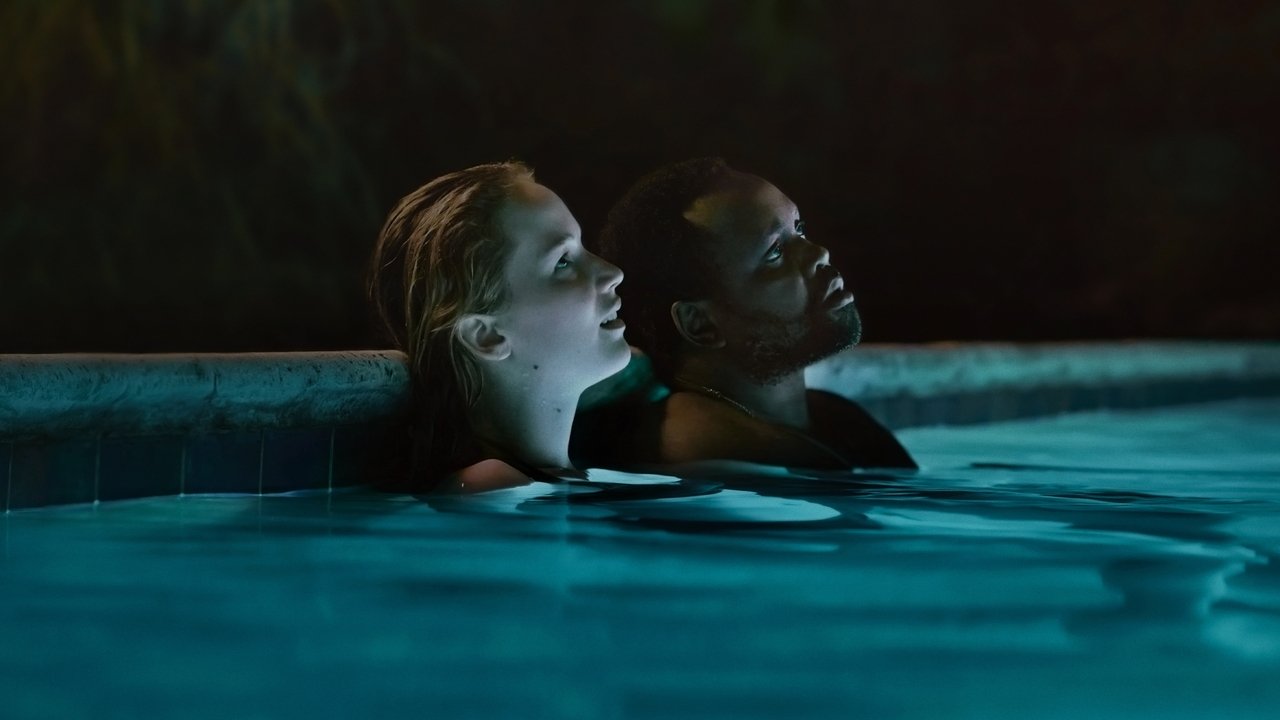
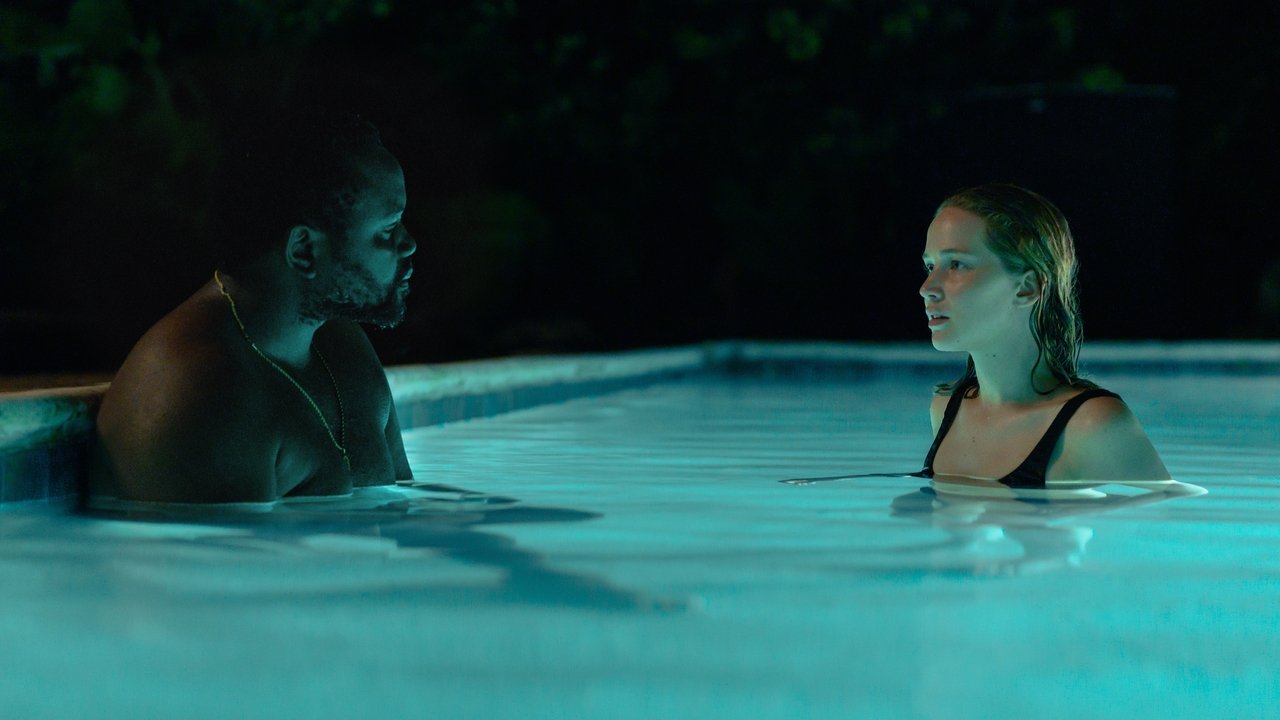
One of the most refreshing aspects of the film is the relationship between Lynsey and James (Brian Tyree Henry). James is a mechanic with his own physical and emotional scars. In a lesser movie, they would fall in love and the credits would roll over a sunset. Here, they just talk. They sit on porches, they drive around the city, and they slowly reveal their secrets. It is a masterclass in building intimacy without romance.
Why the Pacing Matters
If you watch this with a teenager, be prepared for them to ask 'when is something going to happen?' The answer is: it's happening in the silences. The movie is intentionally slow because recovery is slow. The film mirrors the experience of its protagonist—the world is quiet, the progress is incremental, and the victory isn't a medal, it's finally being able to hold a conversation without your brain short-circuiting. It’s a great pick for a mature teen who is interested in psychology or acting, but it’s definitely not a family movie night crowd-pleaser.