The First "Stan" War
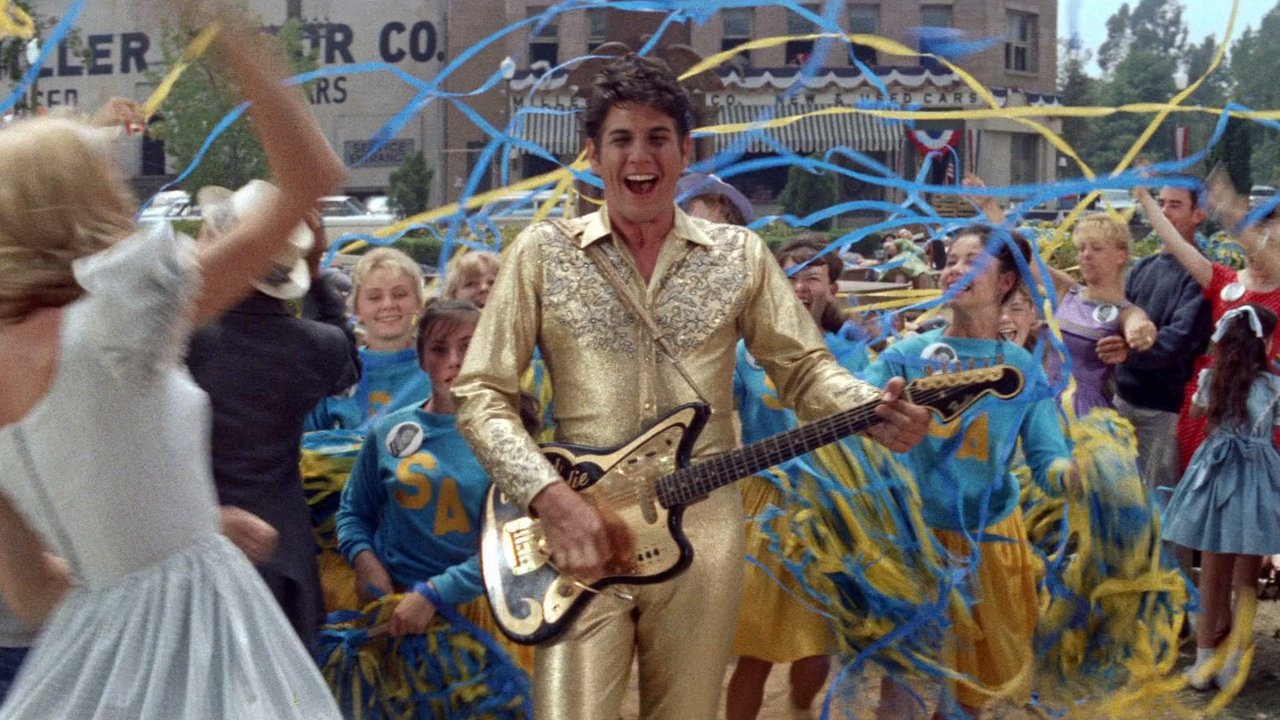
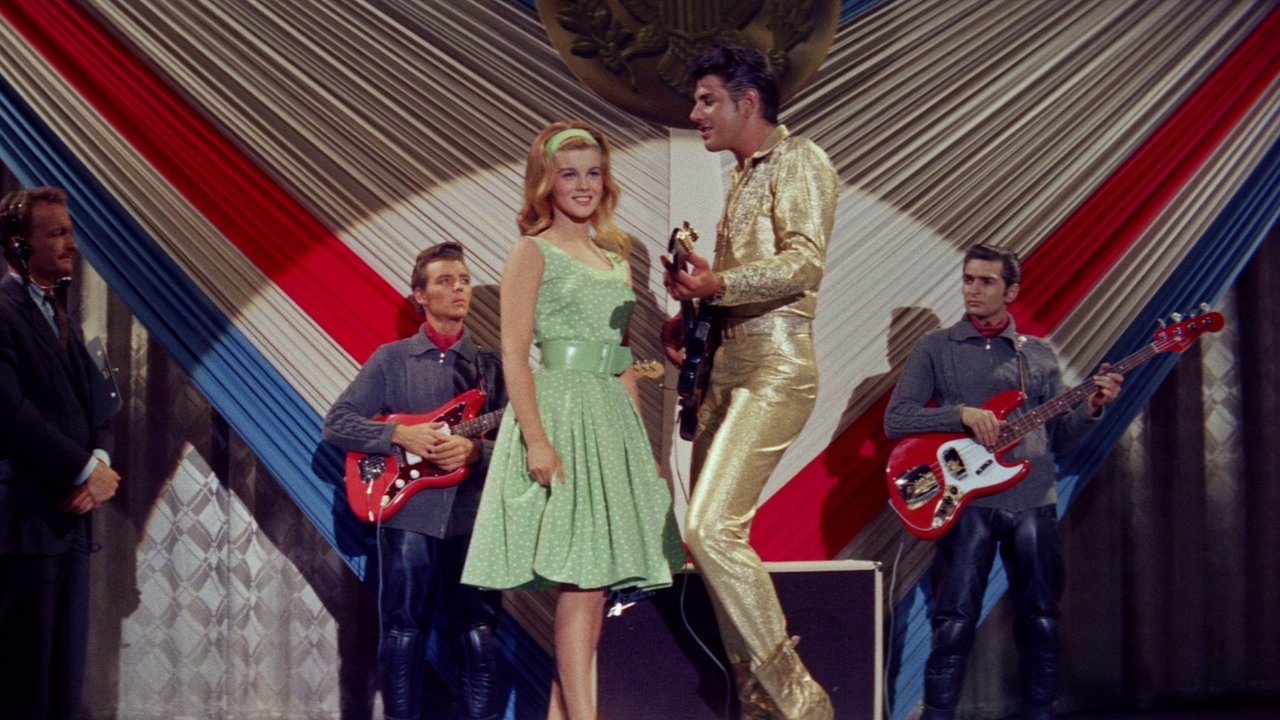
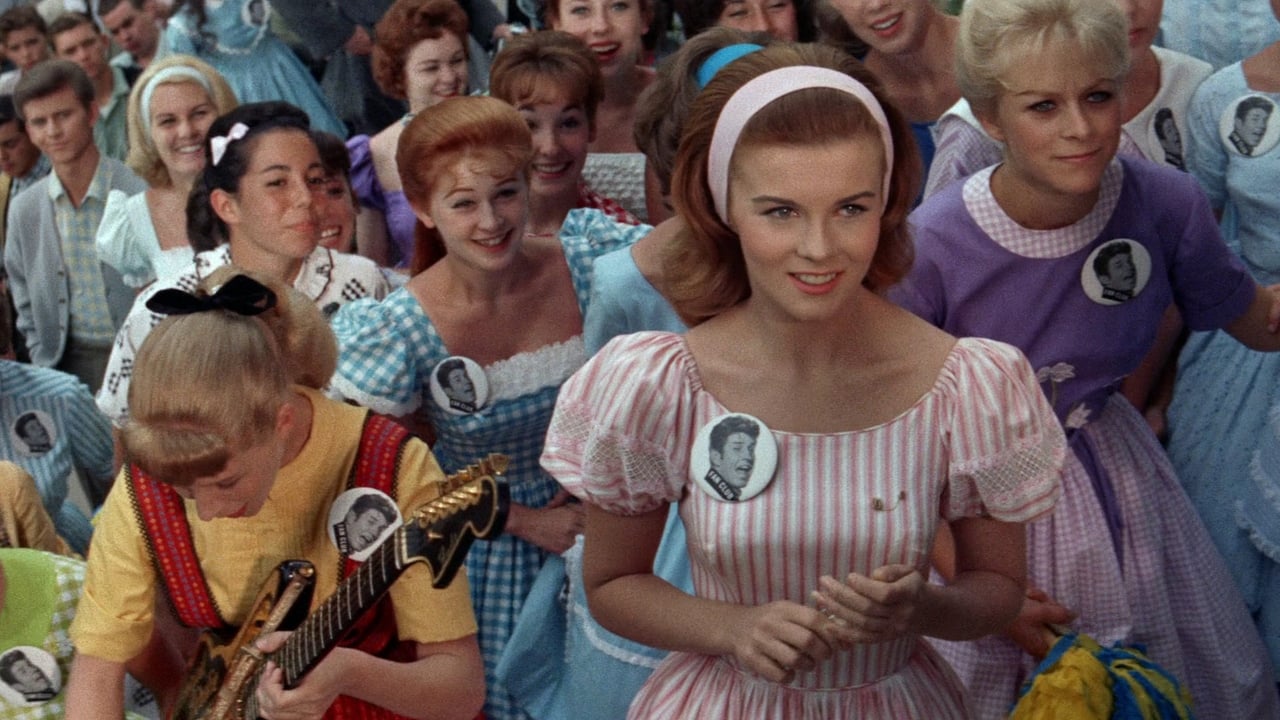
Before there were TikTok houses and K-pop stans, there was the fictional Conrad Birdie. While the movie is a musical comedy, it’s also a pretty sharp look at the moment "the teenager" became a distinct economic force that terrified parents. If your kid is currently obsessed with a YouTuber or a pop star, they’ll recognize the energy in the room immediately. The movie captures that specific brand of hysteria that happens when a celebrity enters a small town, but it views the whole thing through a satirical lens.
Critics loved this movie way more than the general public did, and that’s likely because of how much it pokes fun at middle America. It’s "very, very pink," as the critics say, but underneath that sugary coating is a lot of side-eye directed at the adults who are trying to capitalize on the craze. It’s a great pick if you’ve already cycled through Grease or Hairspray and want to show your kids where those tropes actually started.
The Rubber-Man in the Room
Dick Van Dyke is essentially the glue holding this together. He’s playing a guy who is technically a failing chemist but mostly just a pushover for his mother. It’s a slightly more neurotic version of the persona he brought to other classics, and his physical comedy is the main reason kids won't check out during the non-musical scenes.
If you find your kids actually enjoying his "rubber-limbed" energy, it’s worth looking into why Dick Van Dyke musicals still win at family movie night. He has a way of making high-effort choreography look like a total accident, which is a vibe that still works today. Just be prepared to explain why his character is so terrified of his mother; the "overbearing mother-in-law" trope is dialed up to an eleven here, and it’s the most dated part of the script.
The Ann-Margret Velocity
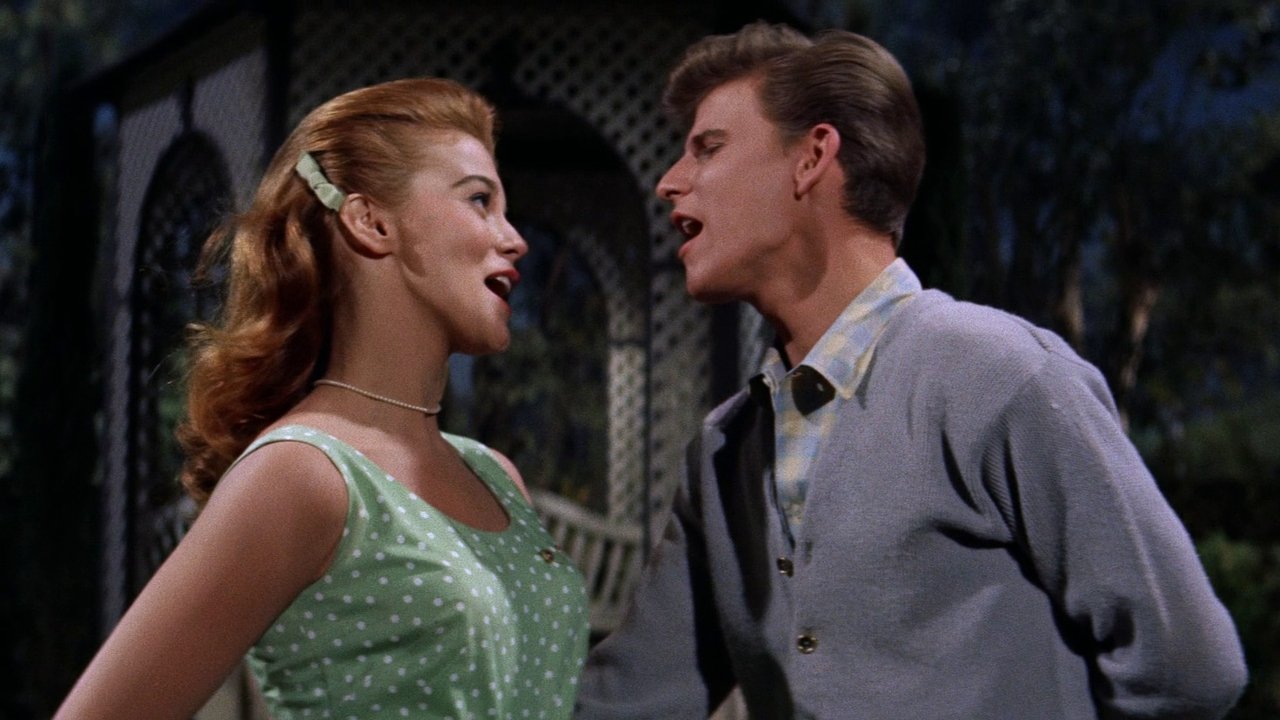
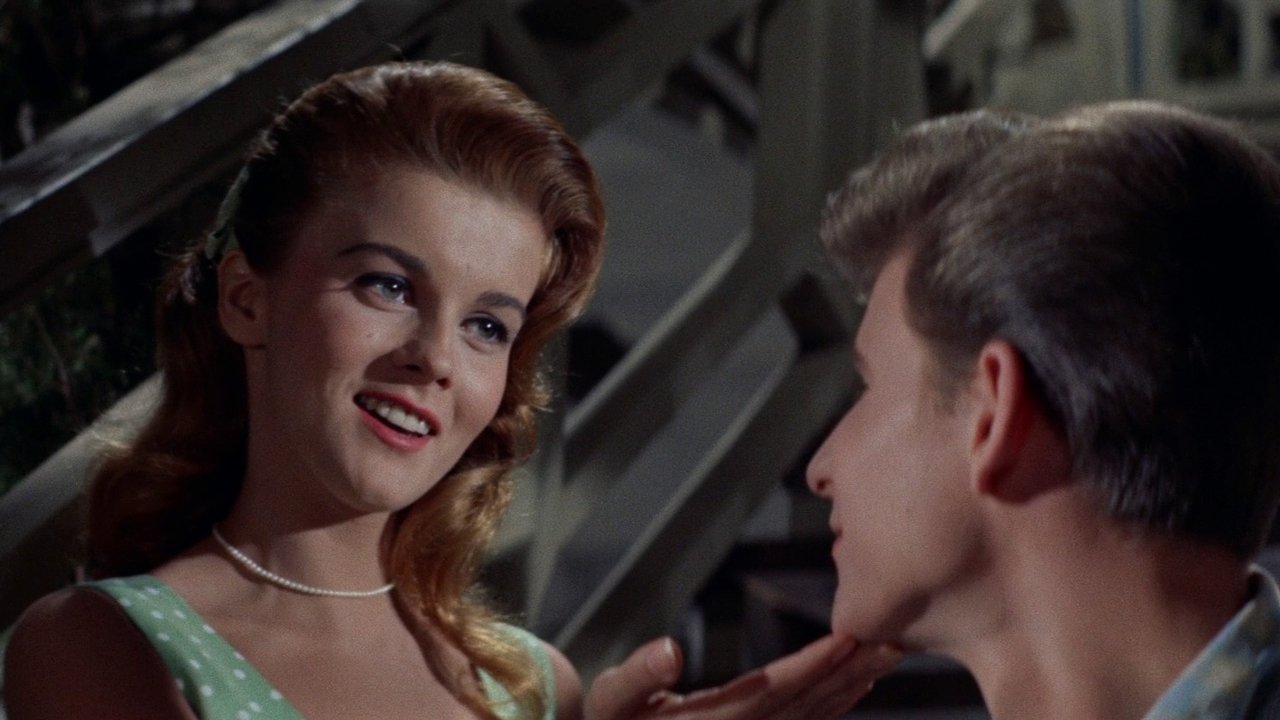
While the movie is named after the guy playing Elvis, it actually belongs to Ann-Margret. She’s the one who makes the movie feel like a "real" film rather than just a filmed stage play. Her performance is what gives the movie its momentum, especially in the opening and closing numbers where she's singing directly to the camera.
For a modern kid, the "going steady" plotline might feel like it’s from another planet. The idea that a teenage girl’s life-defining moment is getting a pin from a boy is a conversation starter about how much the social stakes for girls have changed. However, the feeling of being a fan—of wanting to be chosen by the person everyone else is screaming for—is a universal constant that bridges the sixty-year gap.
High-Fructose Friction
The movie is light, but it’s not exactly short. It has that mid-century theatrical pacing where scenes go on just a beat too long. If your kids are used to the 90-minute breakneck speed of modern animation, the middle act might feel like a slog.
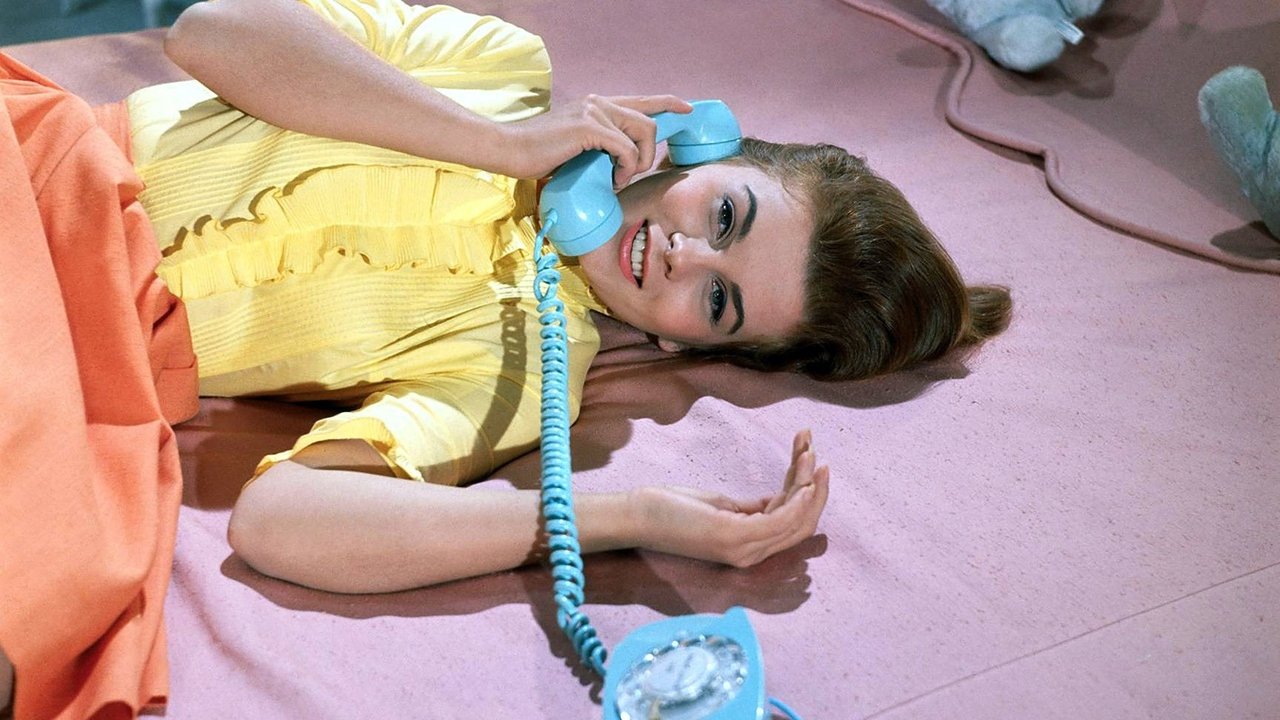
The best way to watch this isn't as a serious drama, but as a neon-colored cartoon featuring real people. It doesn't take itself seriously, and the audience shouldn't either. It’s a spoof of the generation gap that somehow managed to become a favorite of the very generation it was making fun of. If you can get past the "yes, mother" subservience of the lead characters, the music and the spectacle are enough to carry a rainy Saturday afternoon.