The Arthouse Heavyweight
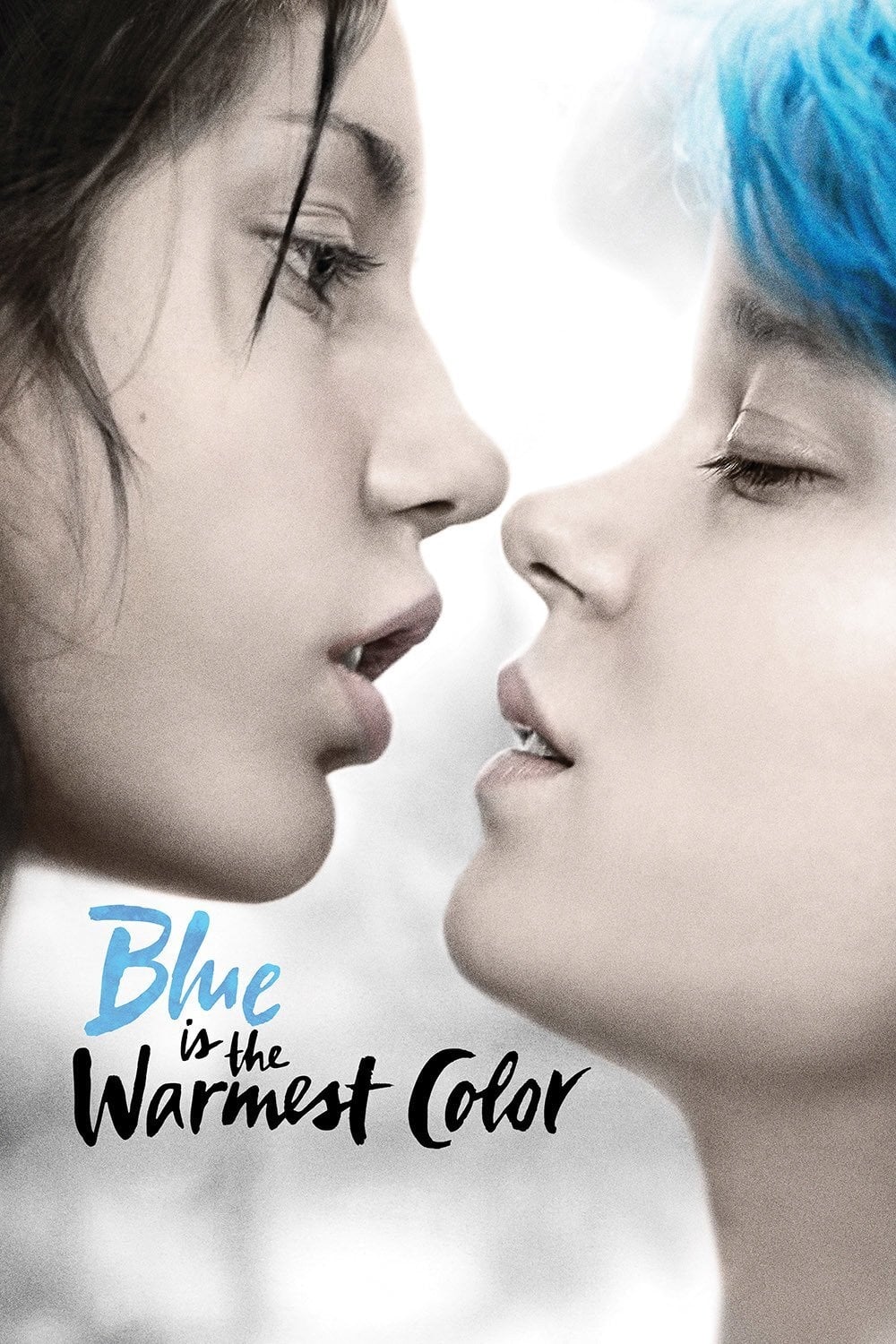
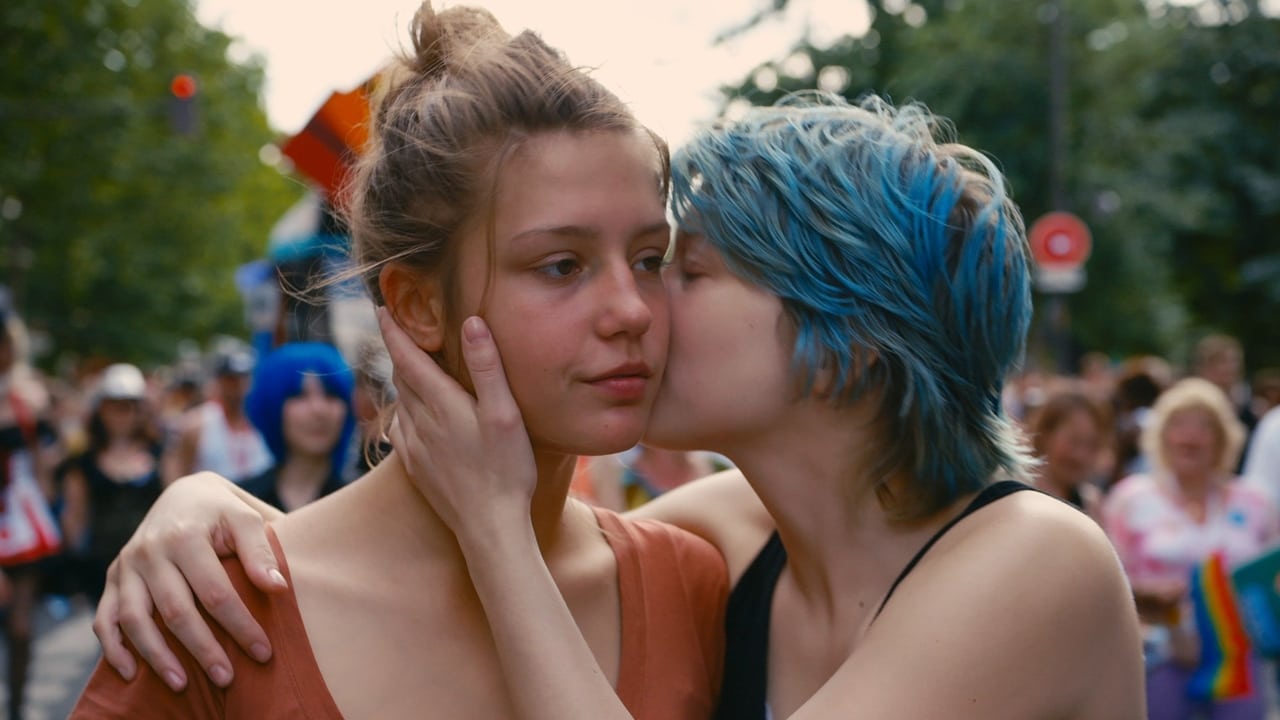
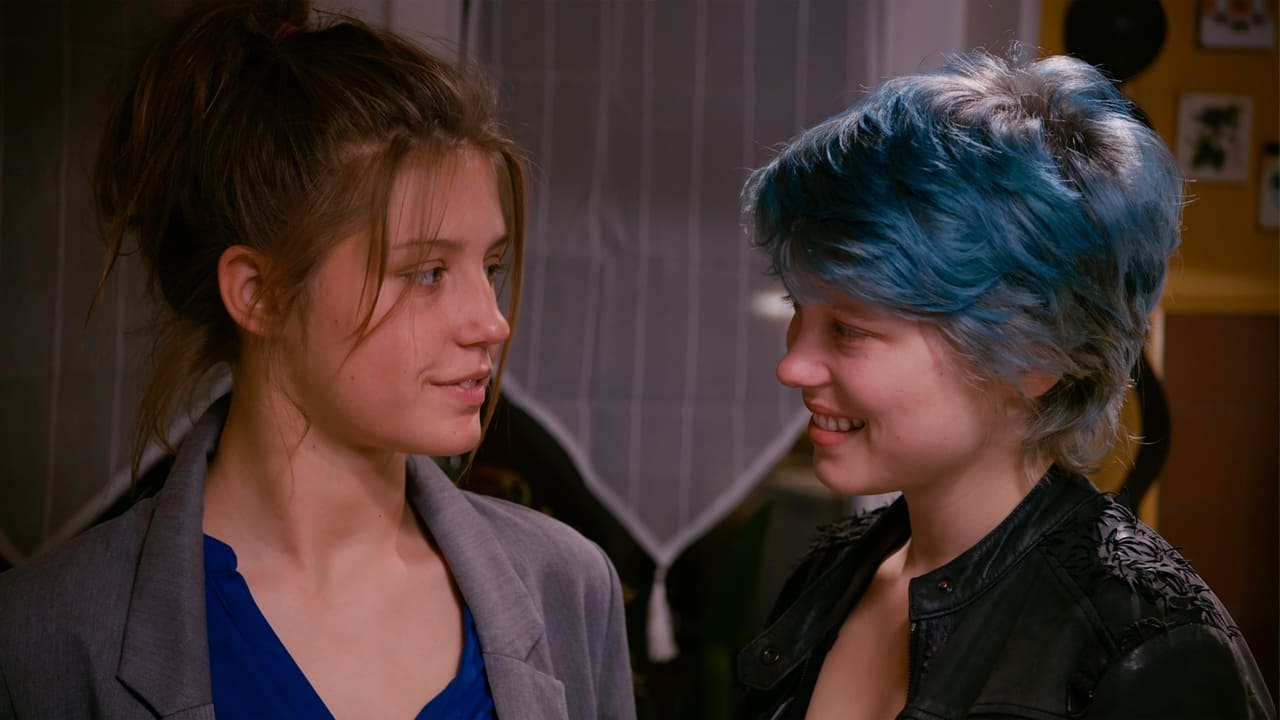
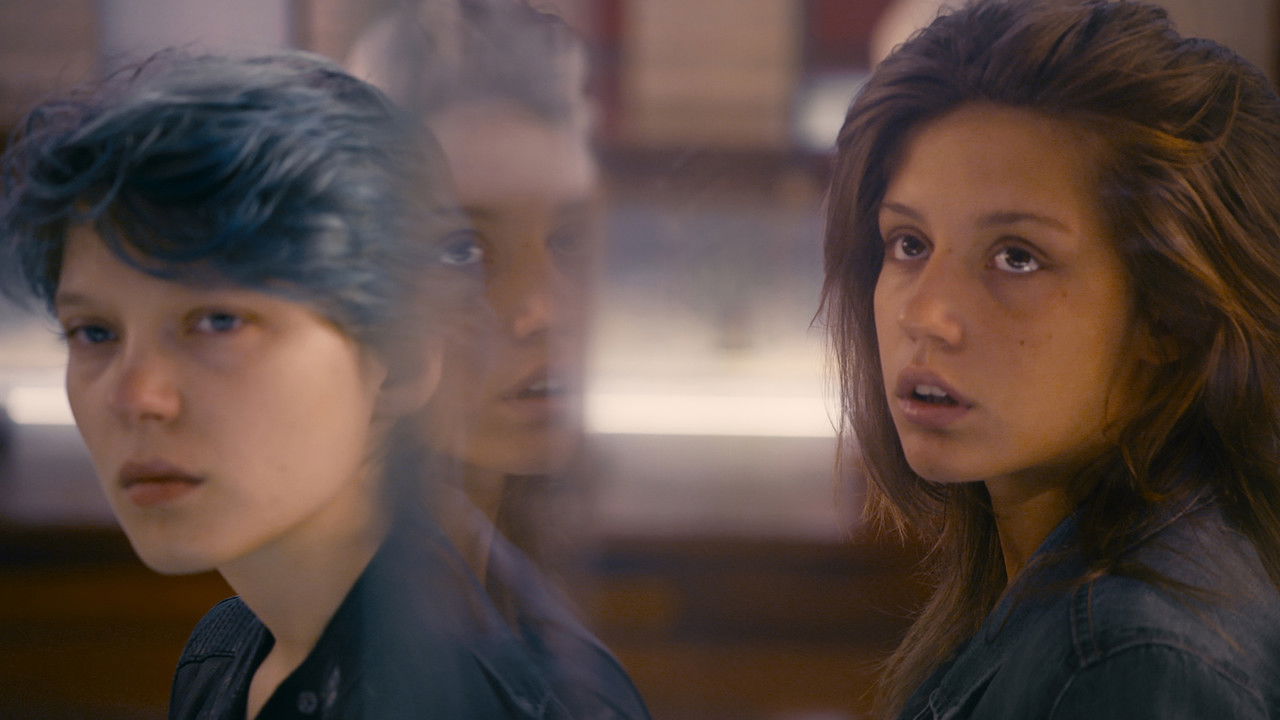
When Blue Is the Warmest Color hit the festival circuit in 2013, it didn't just win awards; it started a massive cultural conversation about how we depict lesbian relationships and the ethics of film sets. Based on Julie Maroh's graphic novel, the film is a sprawling look at Adèle’s life over several years. It’s less a 'plot' and more a 'living with' experience. You watch her eat, sleep, teach, and fall apart.
Beyond the Controversy
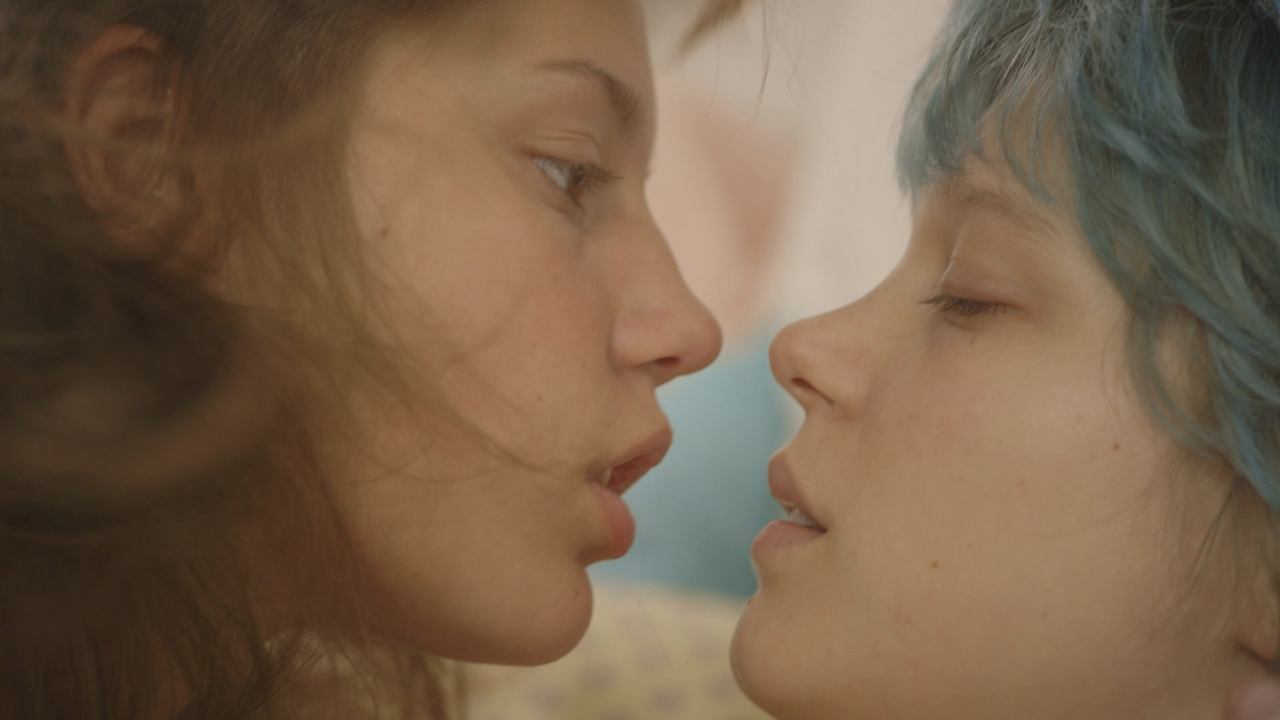
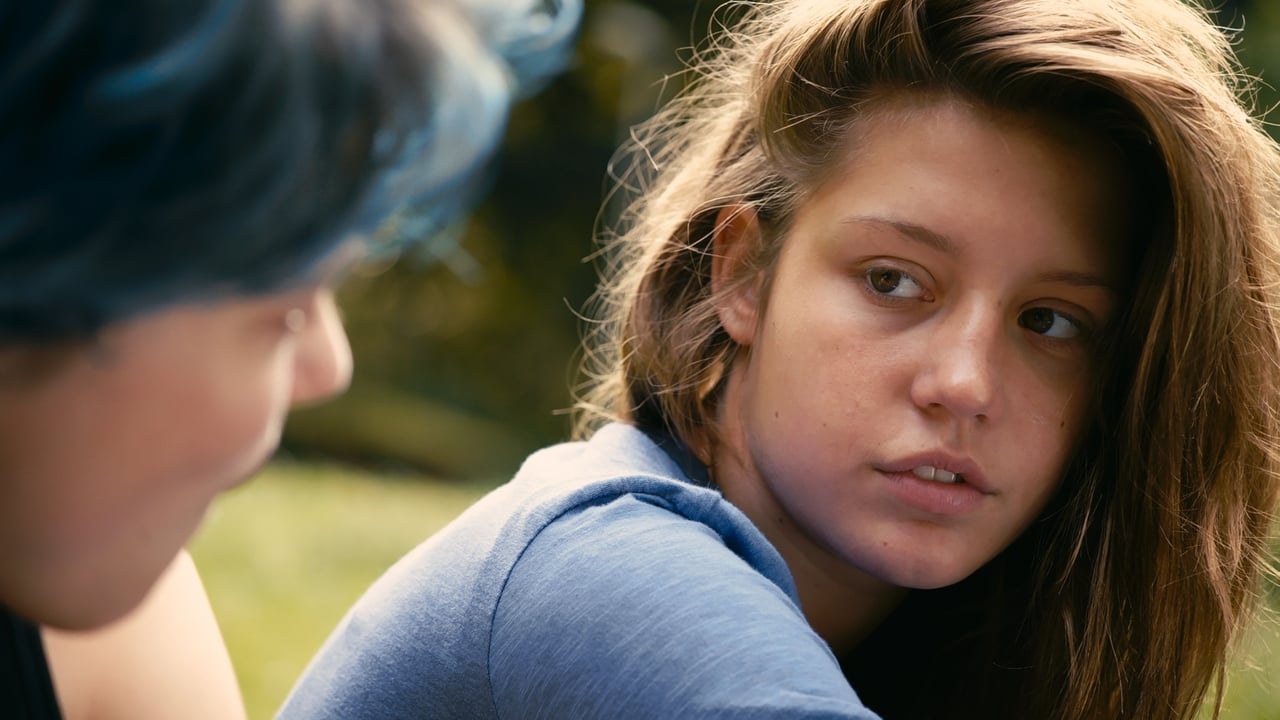
Most of the headlines about this movie focus on the ten-minute-long sex scenes. While they are undeniably graphic, focusing only on the nudity misses the point of the film’s actual power. The most devastating parts of the movie happen in a park or across a dinner table, where the gap between Adèle’s working-class background and Emma’s bohemian, intellectual world starts to widen.
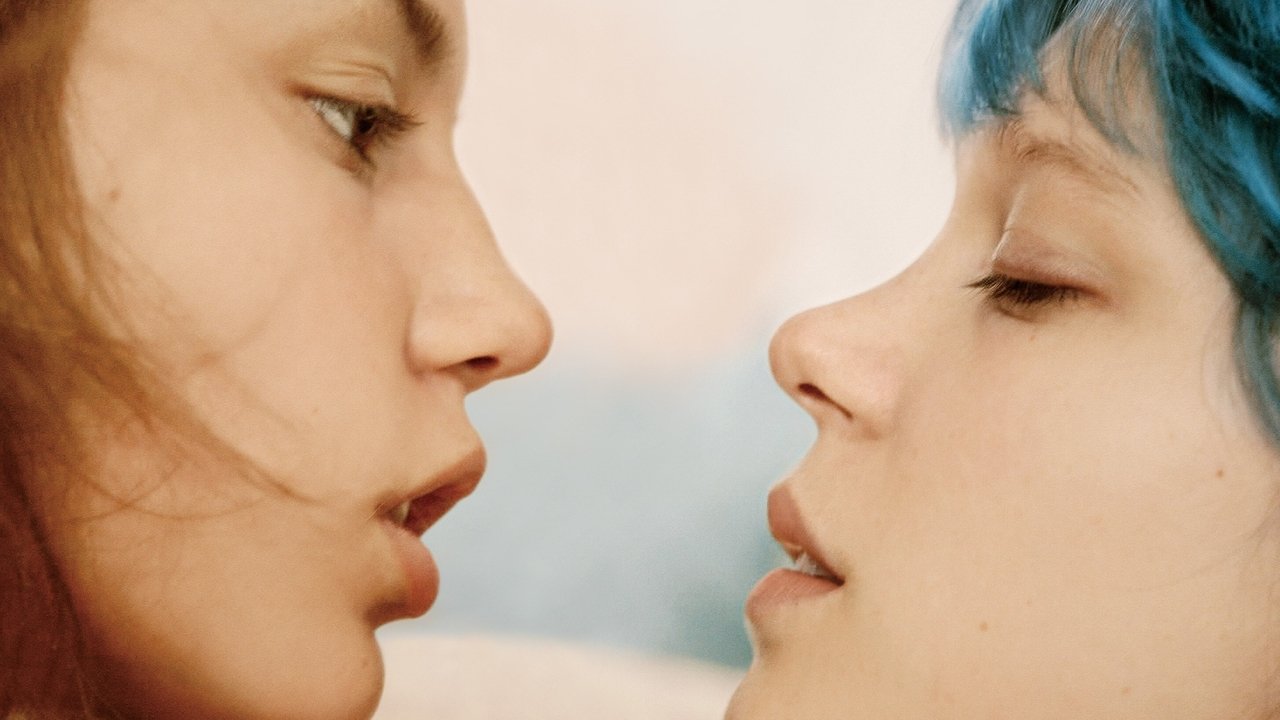
"The film evokes love in its purest and most passionate form – intense, cataclysmic and unforgettable."
Is it worth the three hours?
For a parent, finding three hours of uninterrupted time is like finding a unicorn. If you're going to spend that time on a movie, you want it to matter. This movie matters. It stays with you. However, it’s also exhausting. It’s not a 'fun' watch. It’s a 'feel everything' watch. If you're a fan of directors like Cassavetes or other naturalistic filmmakers, this is a must-see. If you’re just looking for a romantic story to relax to, this might be too much of a gut-punch.