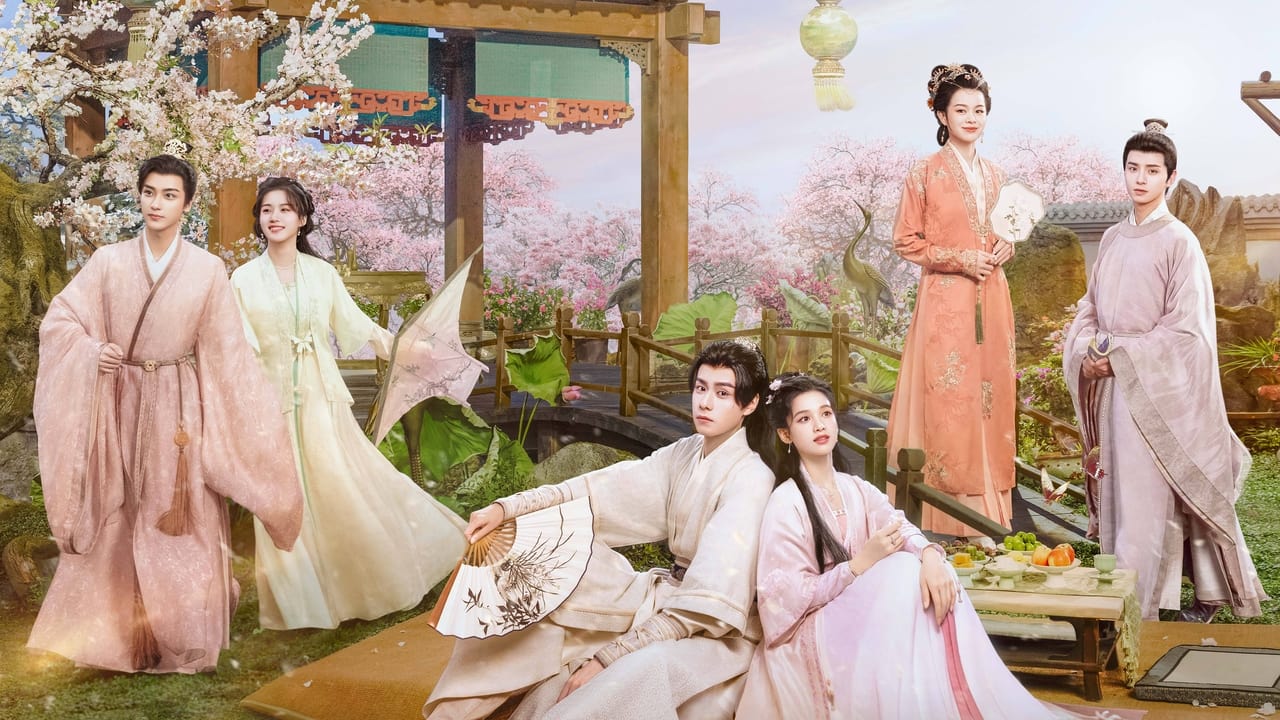
Business school in hanfu
A lot of historical Chinese dramas get bogged down in harem scheming, where twenty women in a palace spend fifty episodes trying to poison each other's soup. Blossoms in Adversity goes the opposite direction. Once the government seizes the Hua estate in the opening episodes, the story becomes a grounded, surprisingly practical survival drama.
Hua Zhi (played by Zhang Jingyi) isn't a magical martial arts master who solves every problem by flying across rooftops. Her superpower is basic economics and emotional grit. Watching her drag her proud, status-obsessed aunts out of bed to make pastries and run a restaurant is deeply entertaining. The show treats commerce, bookkeeping, and feeding a family as heroic work.
The romance vs. the family plot
The storyline splits its time between Hua Zhi's business ventures and Gu Yanxi (Hu Yitian), the masked commander of the Seven Constellations—essentially the emperor's secret intelligence agency.
- What works: Their romance is remarkably mature for an idol drama. When conflicts pop up between his duty to the throne and her loyalty to her disgraced family, they talk about it like adults rather than spending ten episodes in a contrived misunderstanding.
- Where it drags: Around the final third, the cozy business-building takes a backseat to palace coups, a paranoid emperor, and assassination plots. It is still solid television, just more standard melodrama than the breezy entrepreneurial energy of the first half.
Watching on Rakuten Viki
If your kid is watching on Rakuten Viki, know that Viki's standout feature—and biggest distraction—is "Timed Comments," where viewer reactions scroll directly across the top of the video in real time. It feels like watching a show with a very chatty theater audience. Most of it is harmless fan screaming, mild spoilers, and jokes about characters' hairstyles, and you can toggle it off with a single click in the video player settings if you want a clean screen.