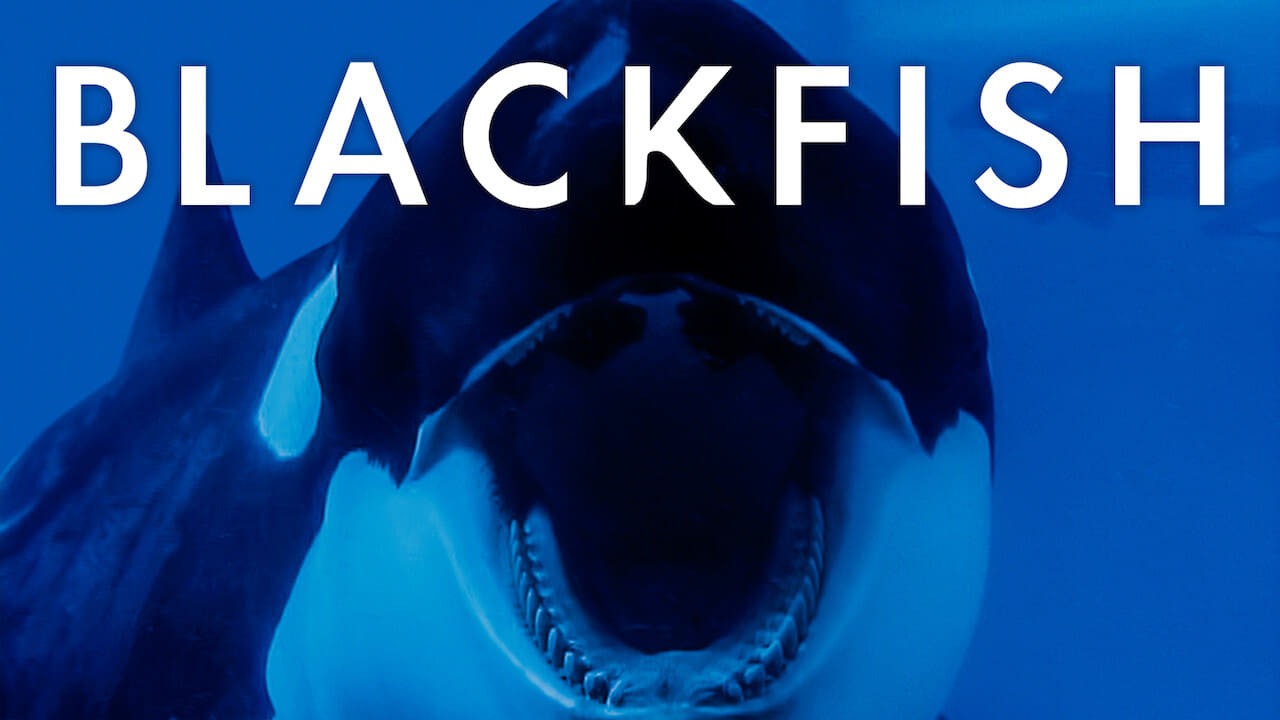
The 'Blackfish' Effect
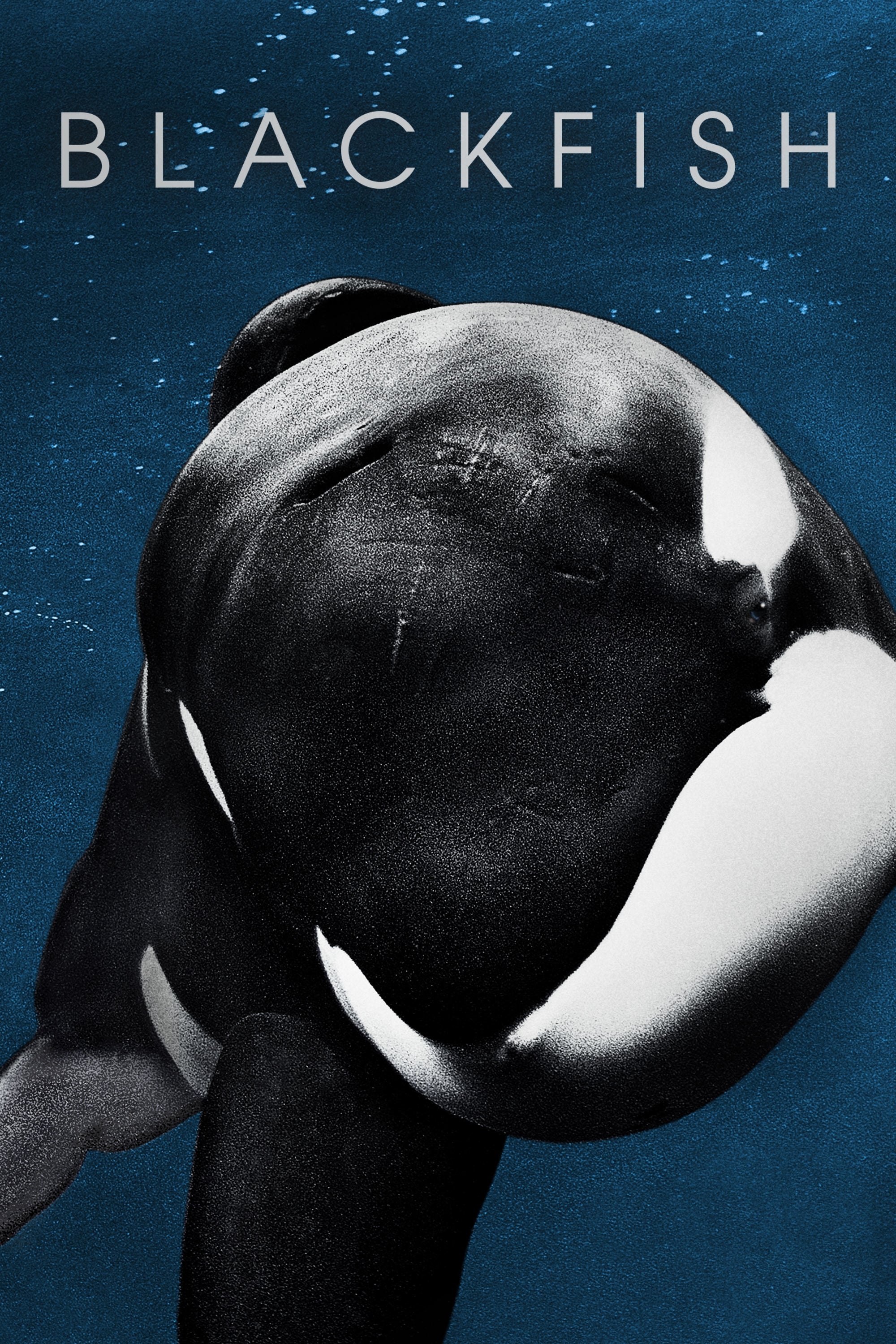
When Blackfish premiered at Sundance in 2013, it wasn't just a movie; it was a cultural hand grenade. Within a few years, SeaWorld’s stock price plummeted, their CEO resigned, and they eventually announced the end of their orca breeding program. This is the definition of enriching media—it doesn't just give you facts; it changes your framework for how you see the world.
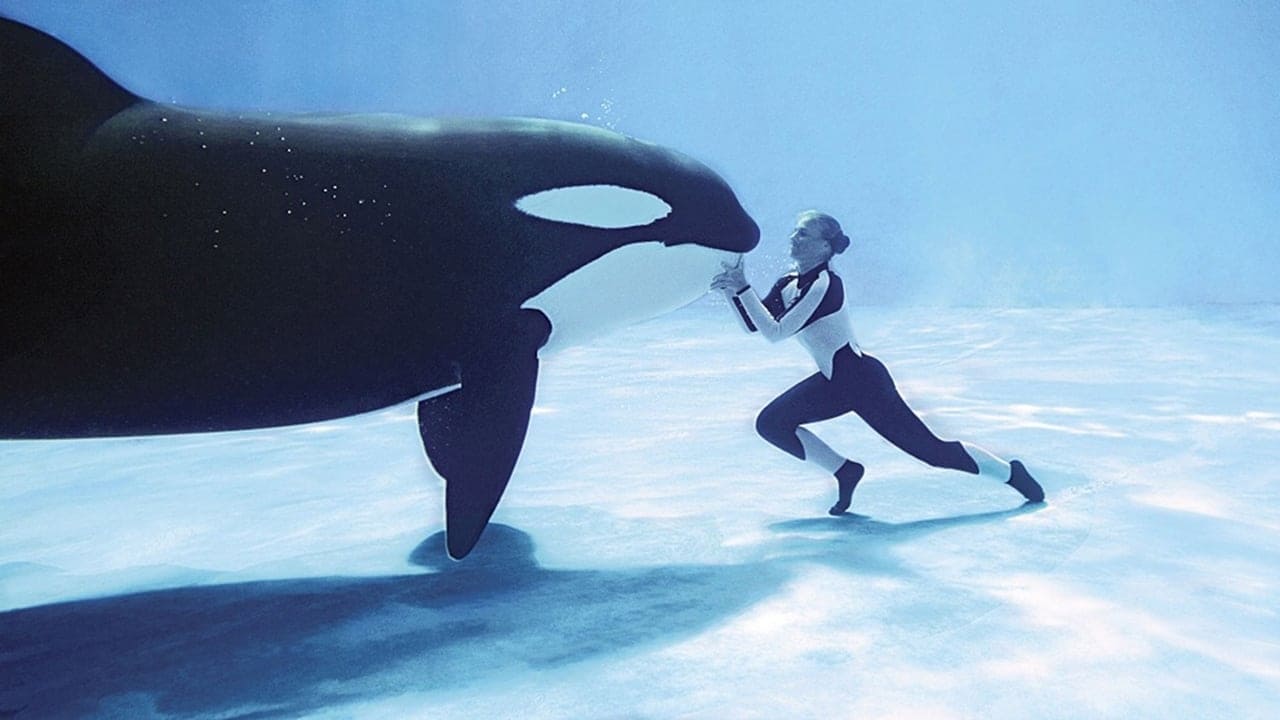
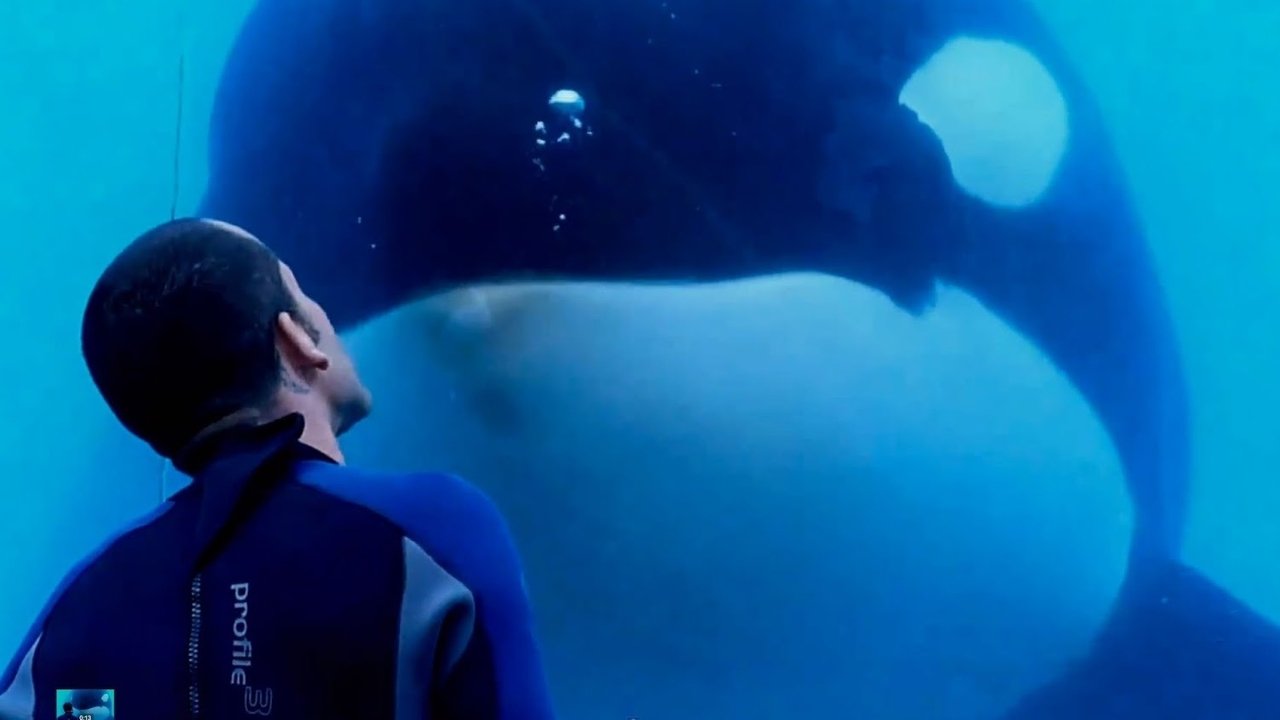
Technically, the film is brilliant. Director Gabriela Cowperthwaite uses the story of Tilikum, a massive bull orca, as a lens to examine the entire industry. It’s structured like a mystery: Why did this whale kill? As the layers are peeled back, you realize the answer isn't 'because he's a monster,' but because of the psychological damage caused by decades of confinement in what amount to concrete bathtubs.
For parents, the value here is in media literacy. This is a perfect example of a 'point-of-view' documentary. It’s an activist film. Watching it with a teen provides a great opportunity to talk about how filmmakers use music, editing, and interviews to build an undeniable case. Even if you agree with every word of it, it's worth discussing how the film constructs its argument and why it was so much more effective than decades of dry PETA press releases.
Be aware that the 'thriller' label isn't an exaggeration. The film uses real footage from various accidents, and while it avoids being 'snuff-film' graphic, it is deeply unsettling. The sound of the orcas vocalizing in distress is something that stays with you. If your kid is particularly sensitive to animal suffering, this might be a 'skip' or a 'wait until they're 16' situation. But for the average high schooler, it’s a foundational lesson in empathy and the power of a well-told story.