The Illusion of Control
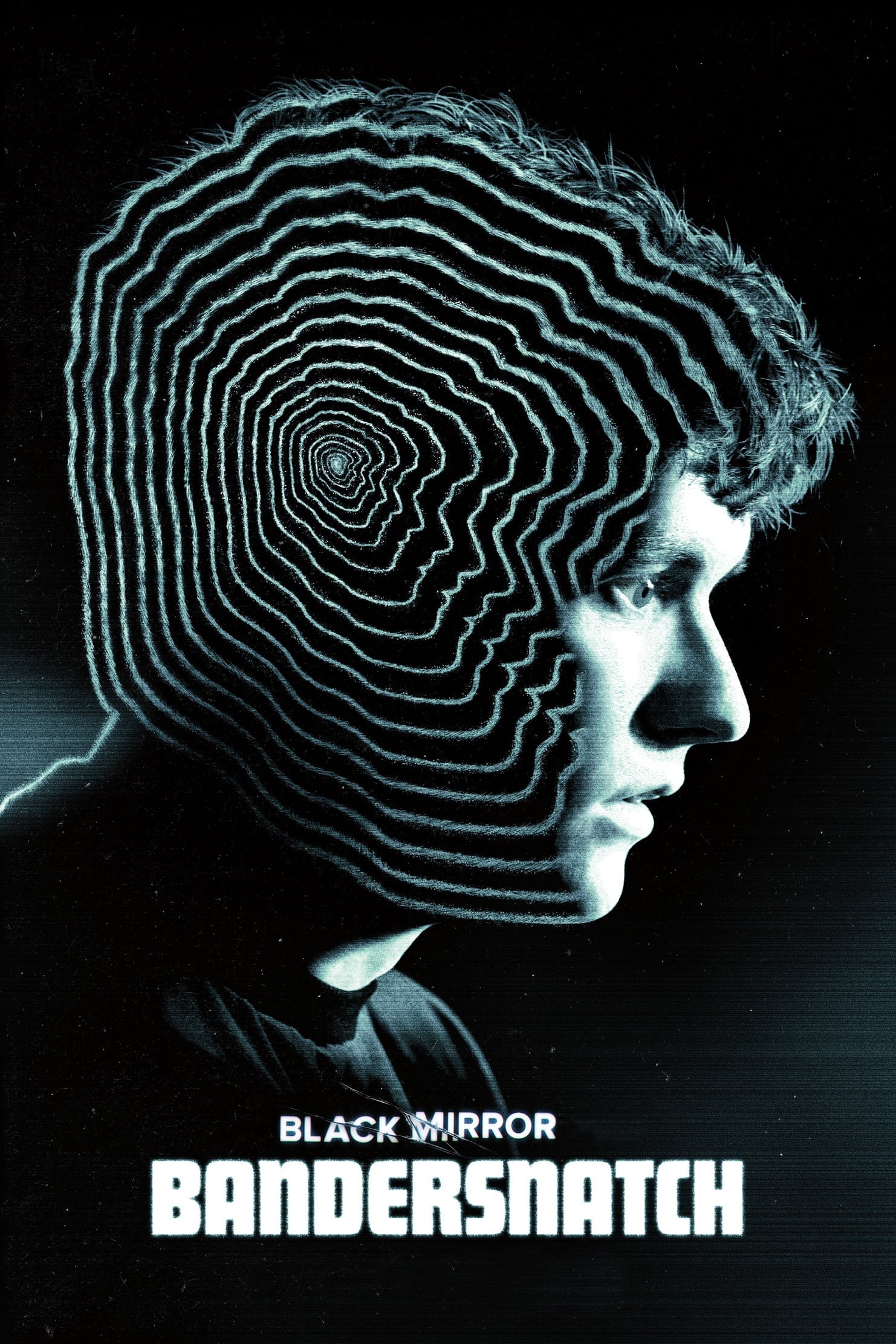
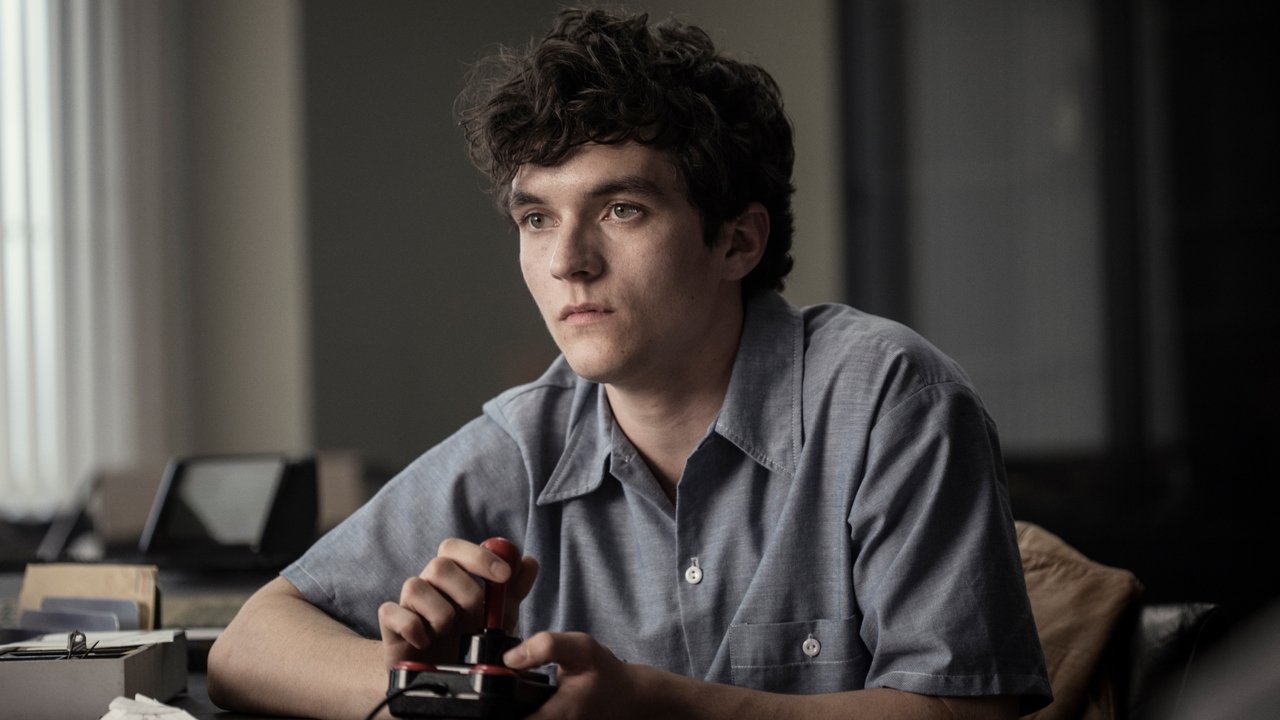
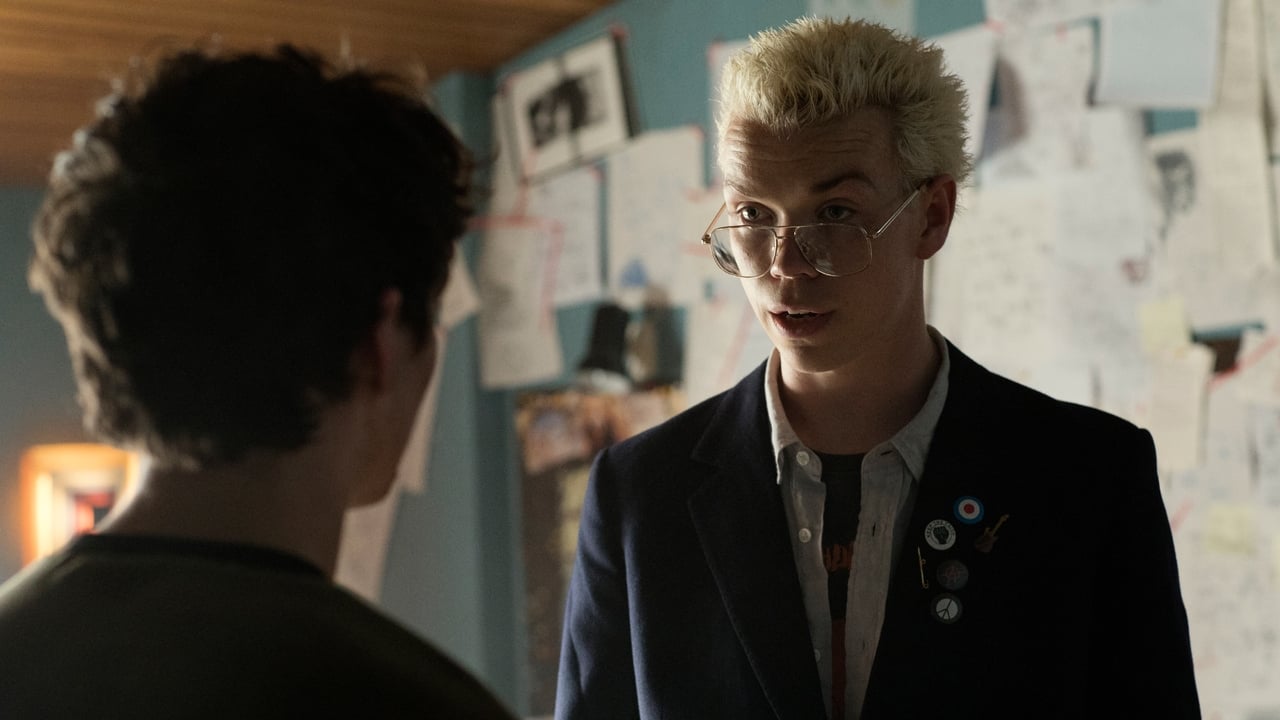
When Bandersnatch dropped, it felt like the future of television. Years later, we can see it for what it really was: a very high-budget, very dark 'Choose Your Own Adventure' book brought to life. The story follows Stefan, a young coder trying to adapt a sprawling fantasy novel into a game. The genius of the piece is that Stefan starts to realize you are controlling him.
It isn't just a gimmick. The movie uses the interactive format to make a point about the lack of agency in the digital age. You think you're making choices—Frosties or Sugar Puffs? Which tape should he listen to?—but the narrative funnel eventually forces you into the same dark corners.
Why It's Still Worth a Watch
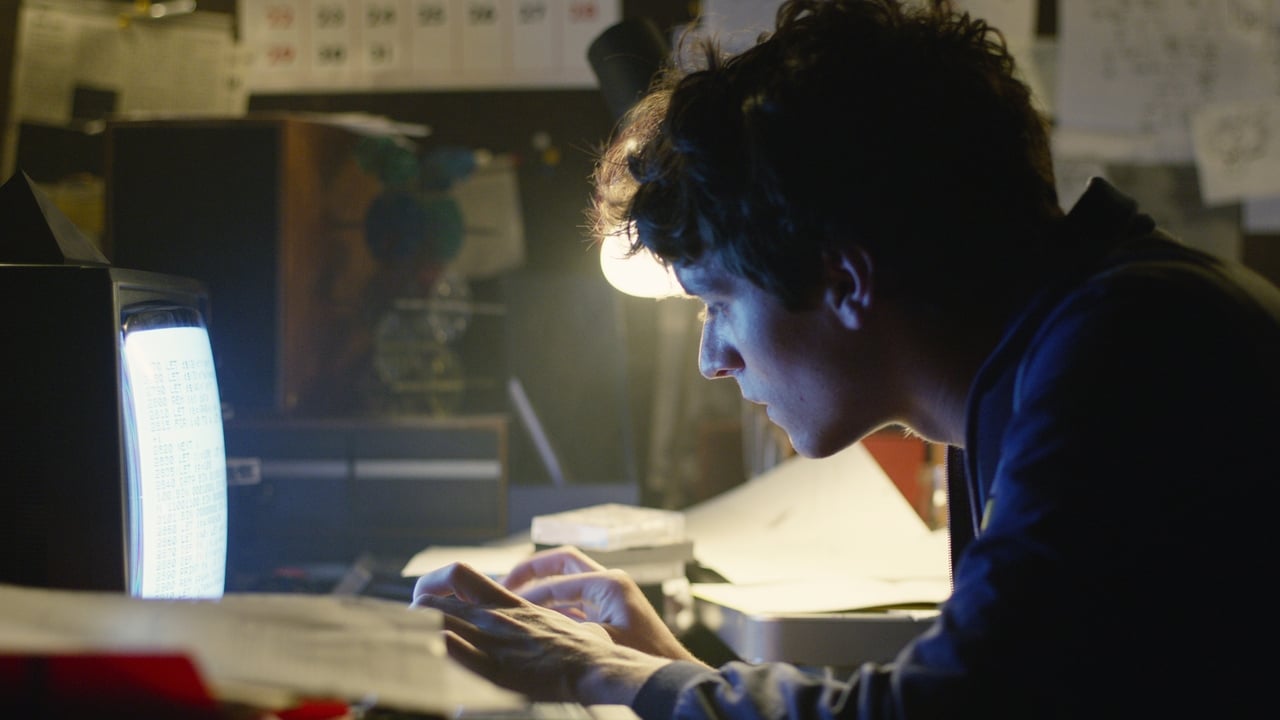
For a kid who loves coding or game dev, the 1984 setting is a goldmine. It captures the 'bedroom coder' era perfectly—the frustration of debugging, the pressure of a looming release date, and the obsession required to build a world from scratch.
However, be ready for the friction. The movie is designed to be replayed, which means you'll see certain scenes three or four times. It can get tedious. And because it's Black Mirror, the 'correct' path often feels like the most miserable one. It’s a masterclass in mood and UI design, even if the story eventually collapses under its own complexity. If you're going to watch it with a teen, do it in one sitting and be prepared to discuss the 'Netflix' ending, which is one of the most hilariously meta moments in recent TV history.