The Underdog Blueprint Done Loudly
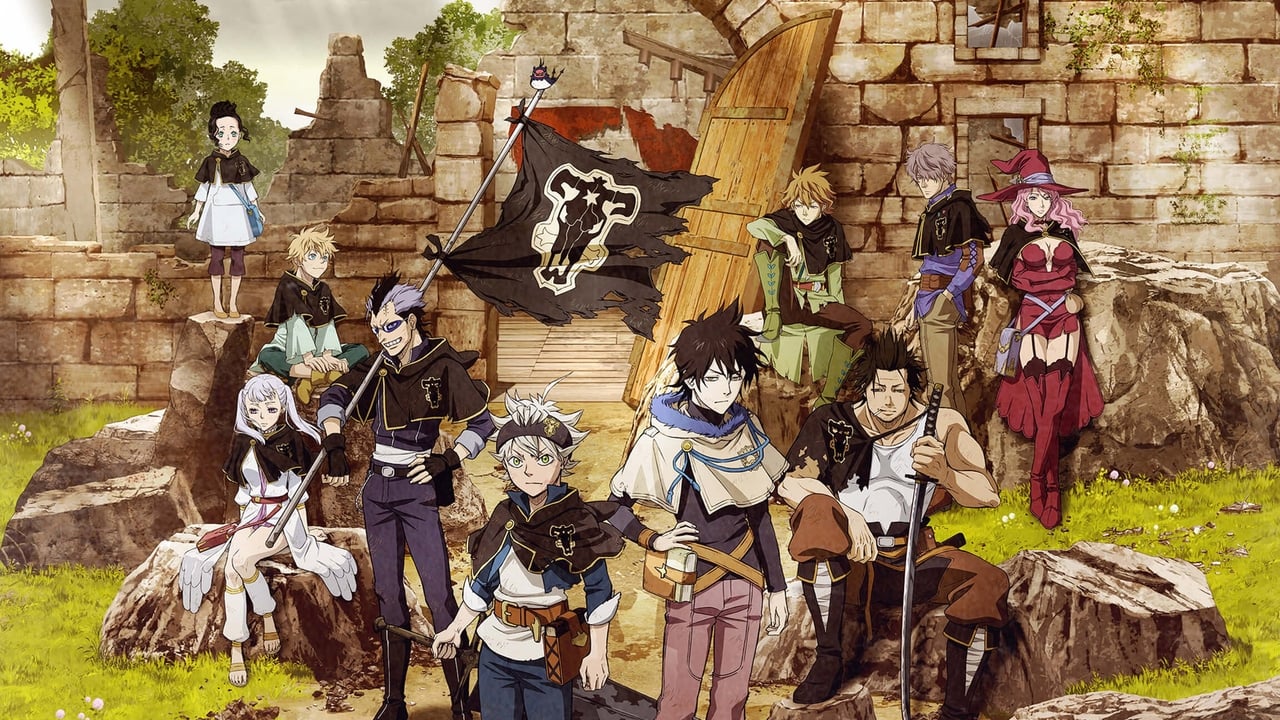
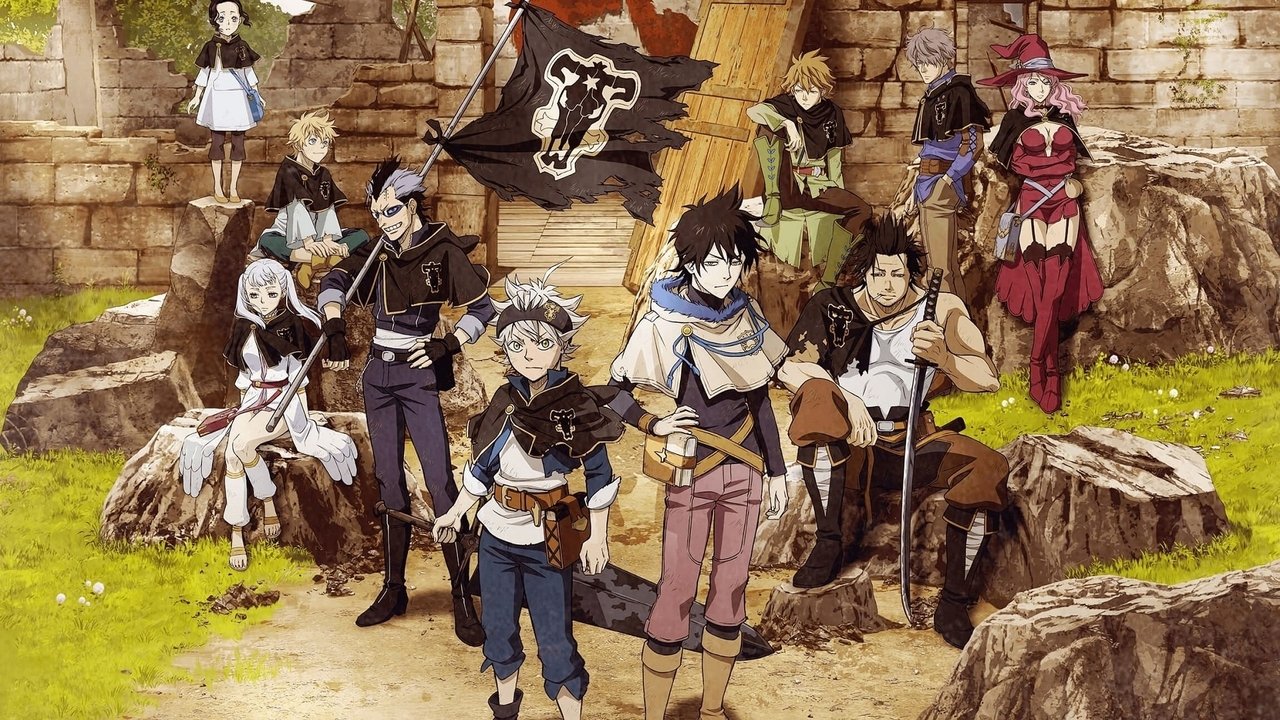
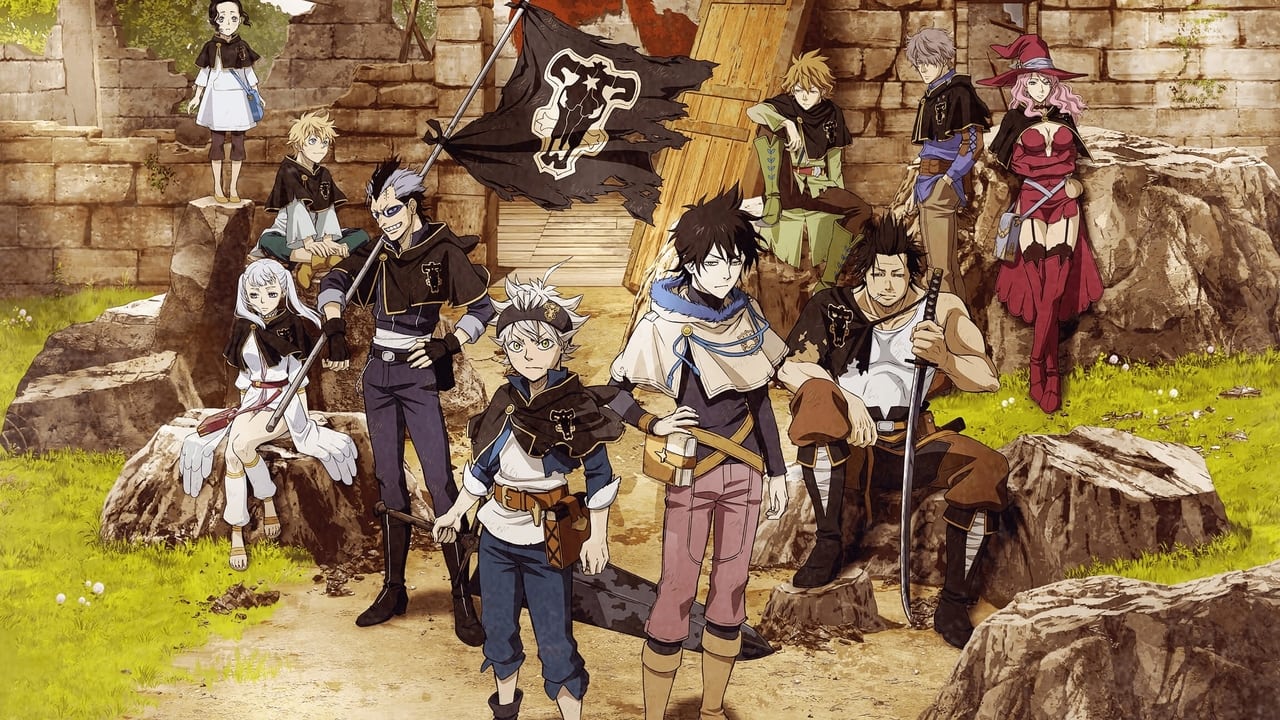
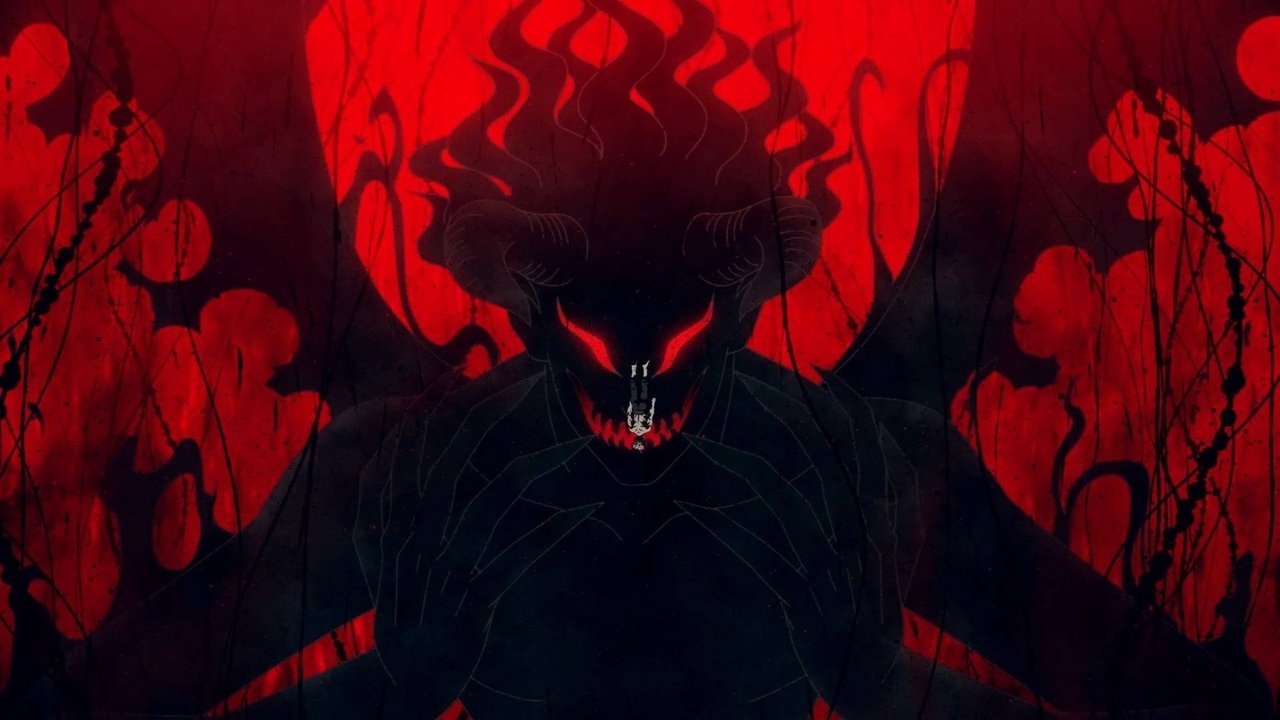
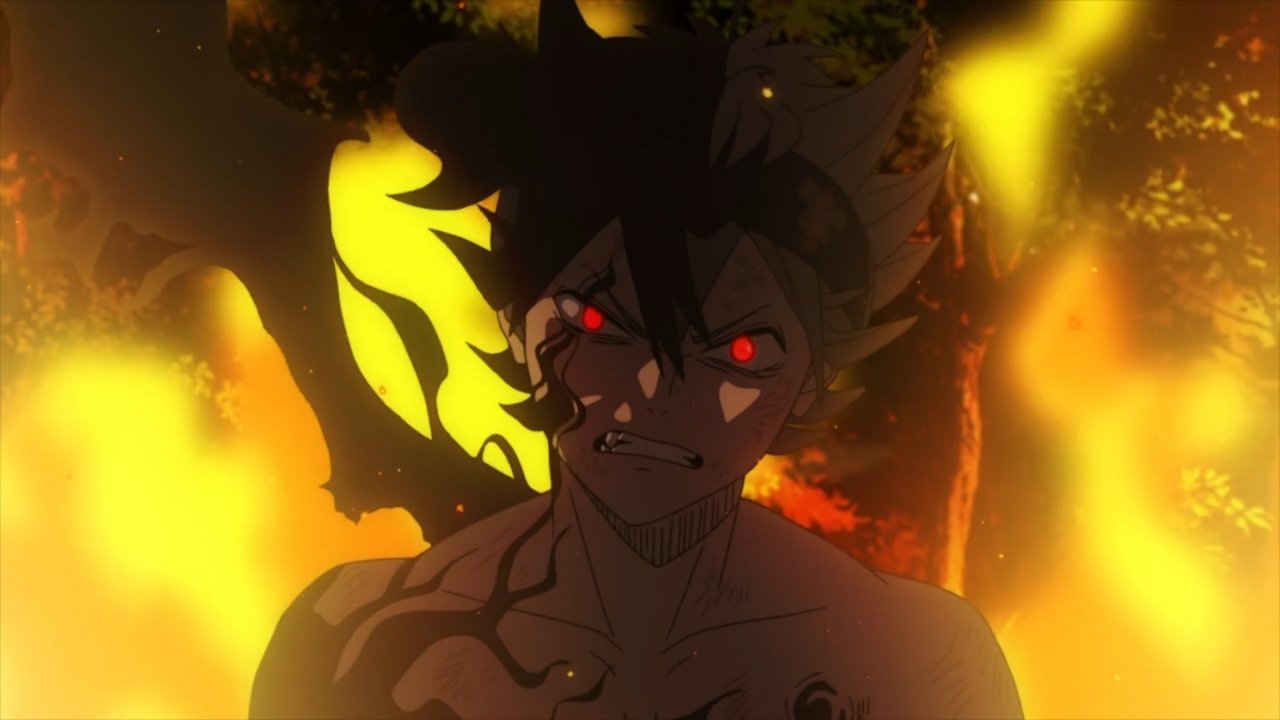
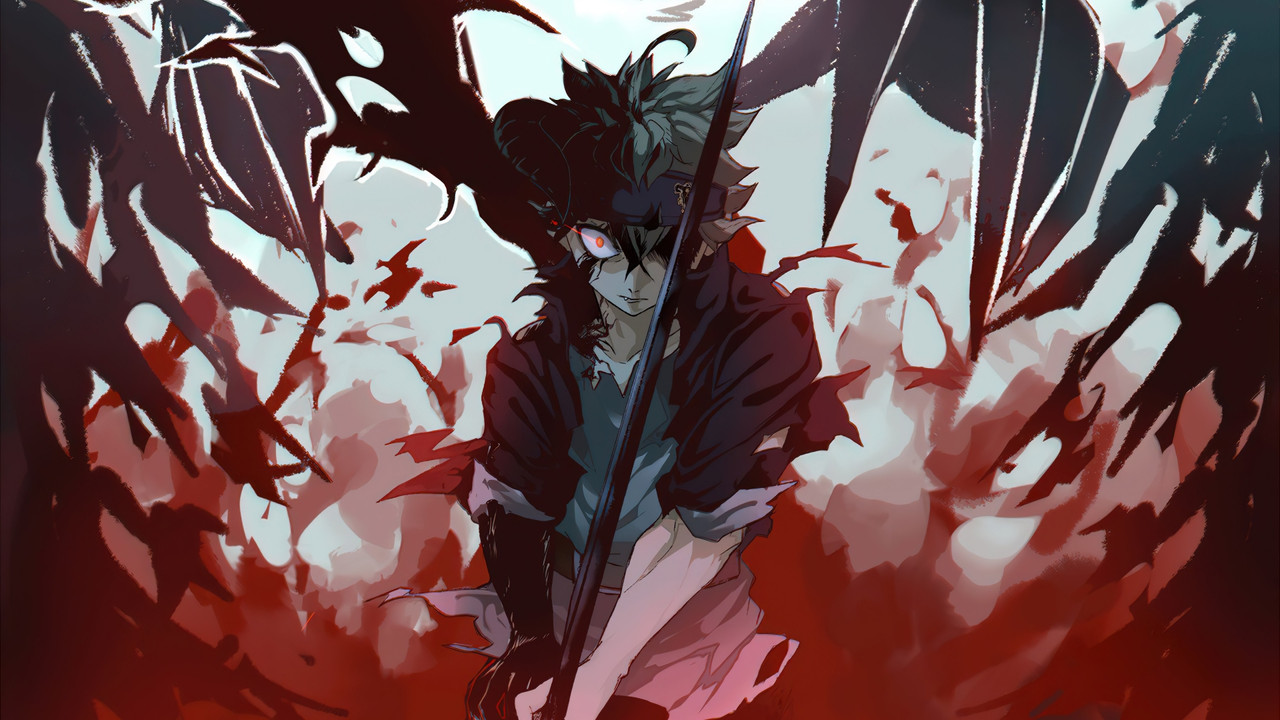
On paper, Black Clover reads like an assembly line of classic anime tropes: an orphan with zero innate talent in a world run on magic, a cool prodigy rival, a five-leaf grimoire harboring dark anti-magic powers, and an eccentric guild of outcasts called the Black Bulls. Studio Pierrot famously struggled with the production pacing and audio mixing early on, creating a protagonist whose default vocal volume turned off thousands of viewers right at episode one.
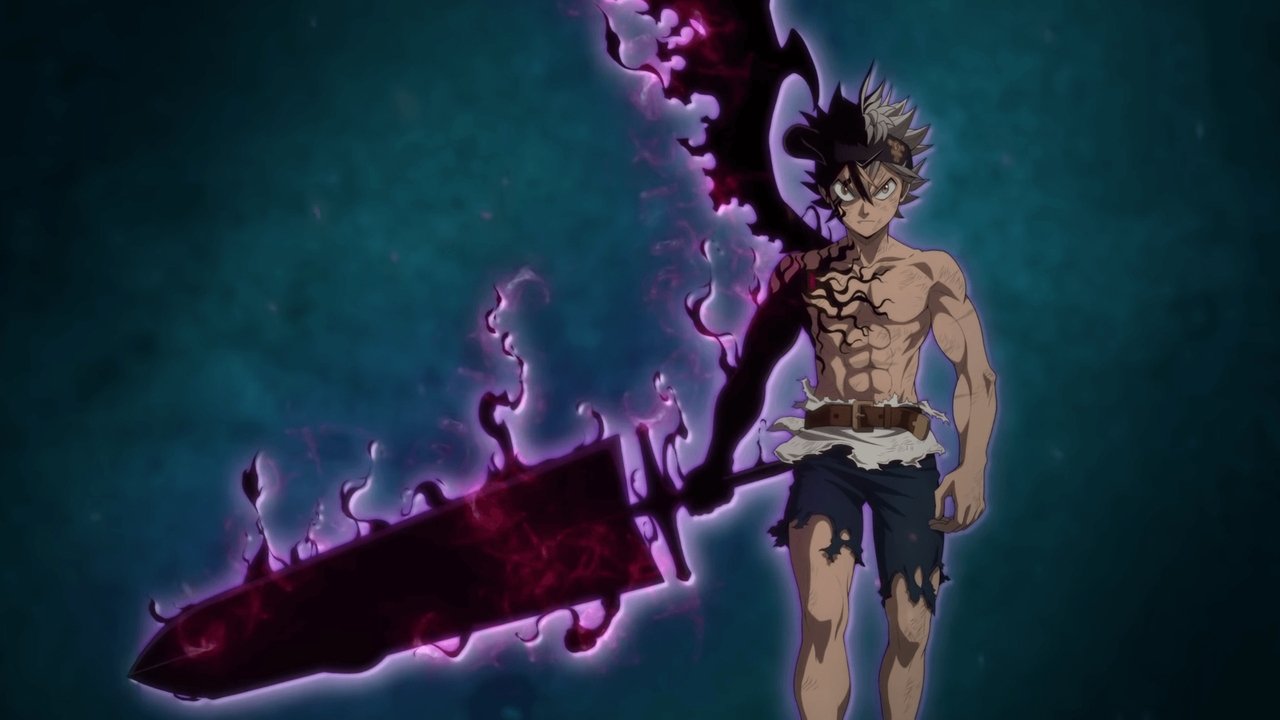
Stick around, though, and the show earns its audience rating. What separates this from dozens of disposable fantasy shows is how it treats its secondary cast. Shonen anime often lets the protagonist outscale everyone else until their friends become cheerleaders on the sidelines. In Black Clover, Asta literally cannot win major fights alone. His anti-magic sword disrupts spells, but he needs spatial-magic portals, thread puppets, and elemental support from his squadmates just to close the distance.
Class Warfare Disguised as Magic Fights
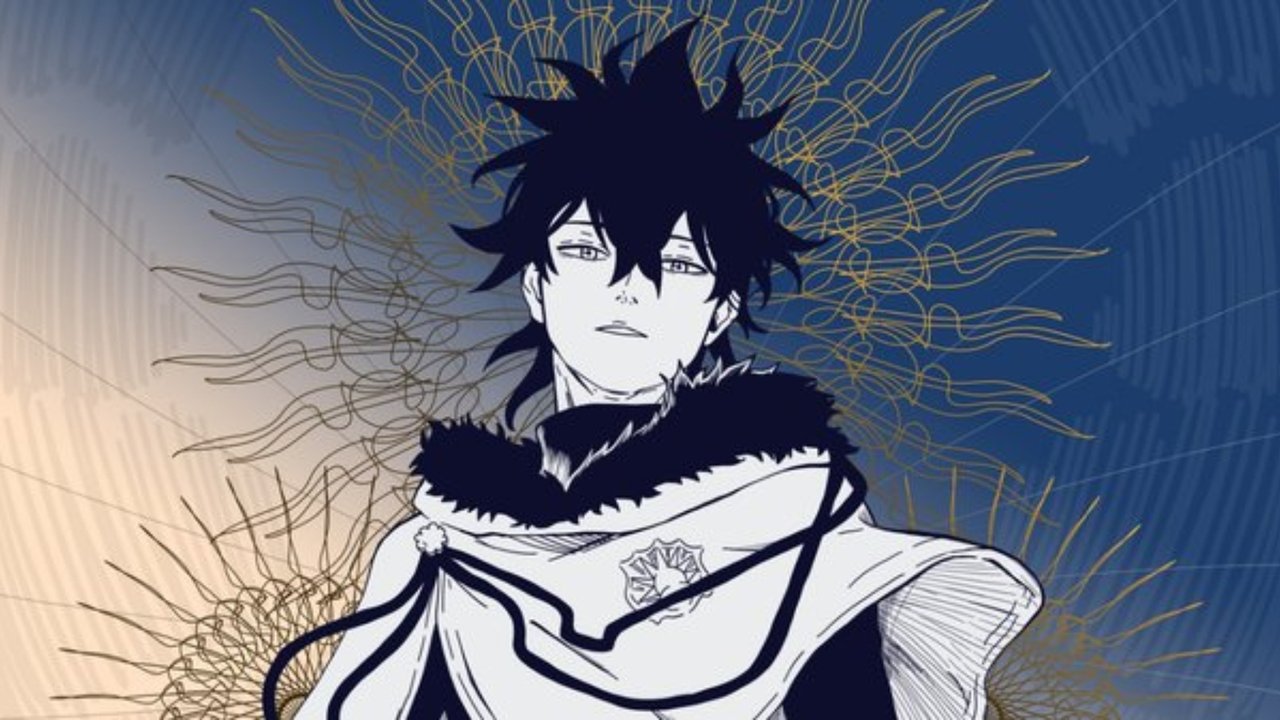
The central tension of the Clover Kingdom is not monster invasions; it is the rigid aristocratic structure that treats peasant orphans as disposable trash. Both Asta and Yuno make their names by systematically embarrassing haughty nobles who assumed birthright equaled worth. For an 11-to-14-year-old sorting out where effort fits against unfair advantages in the real world, the critique lands with genuine weight.
Parents should note that it shares the usual blind spots of its genre. Several female characters are drawn in revealing armor, and running gags include a character obsessed with his younger sister and occasional drunk antics from the squad's resident witch. None of it veers into explicit adult content, but it sits comfortably in standard TV-14 territory.