The Ghost of Rapture
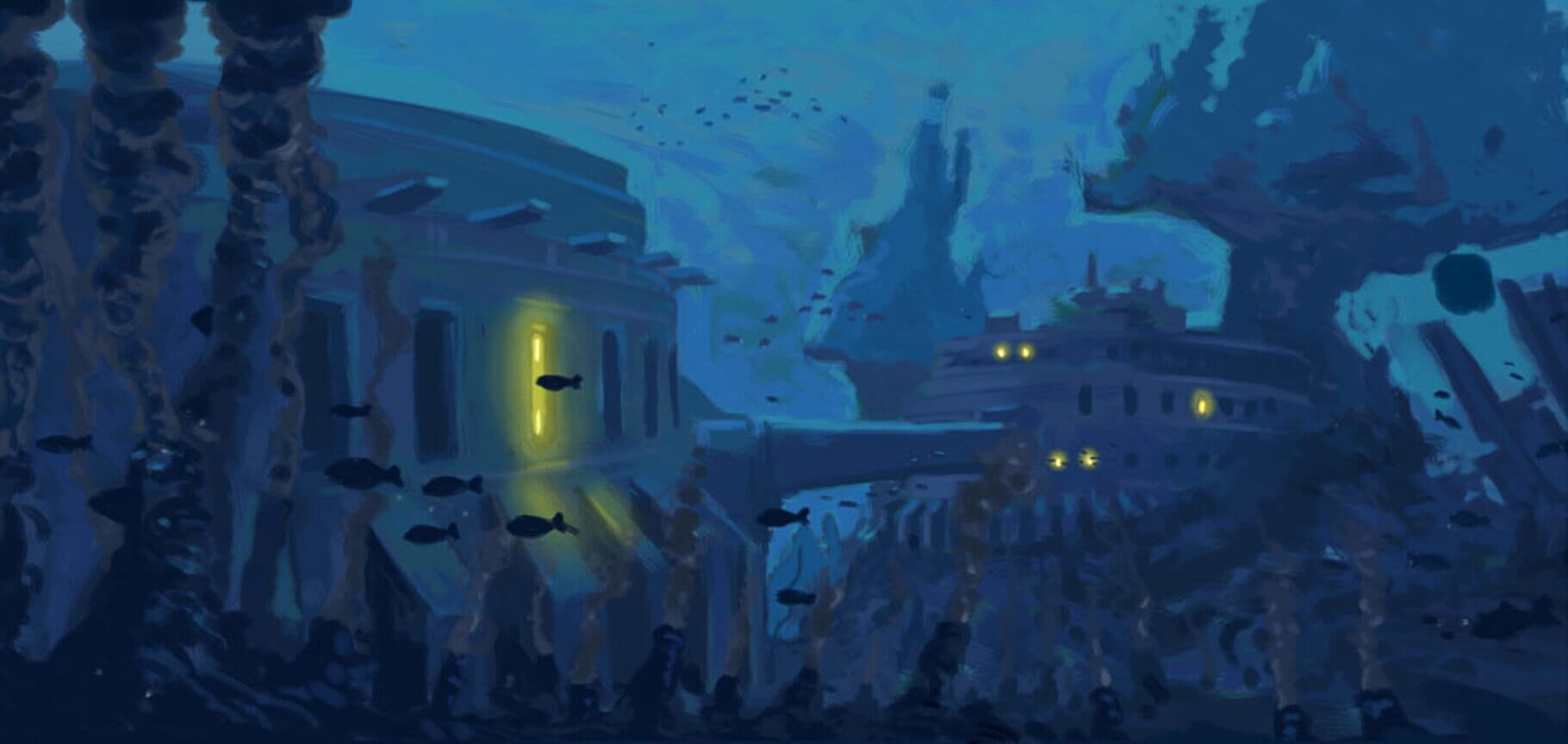
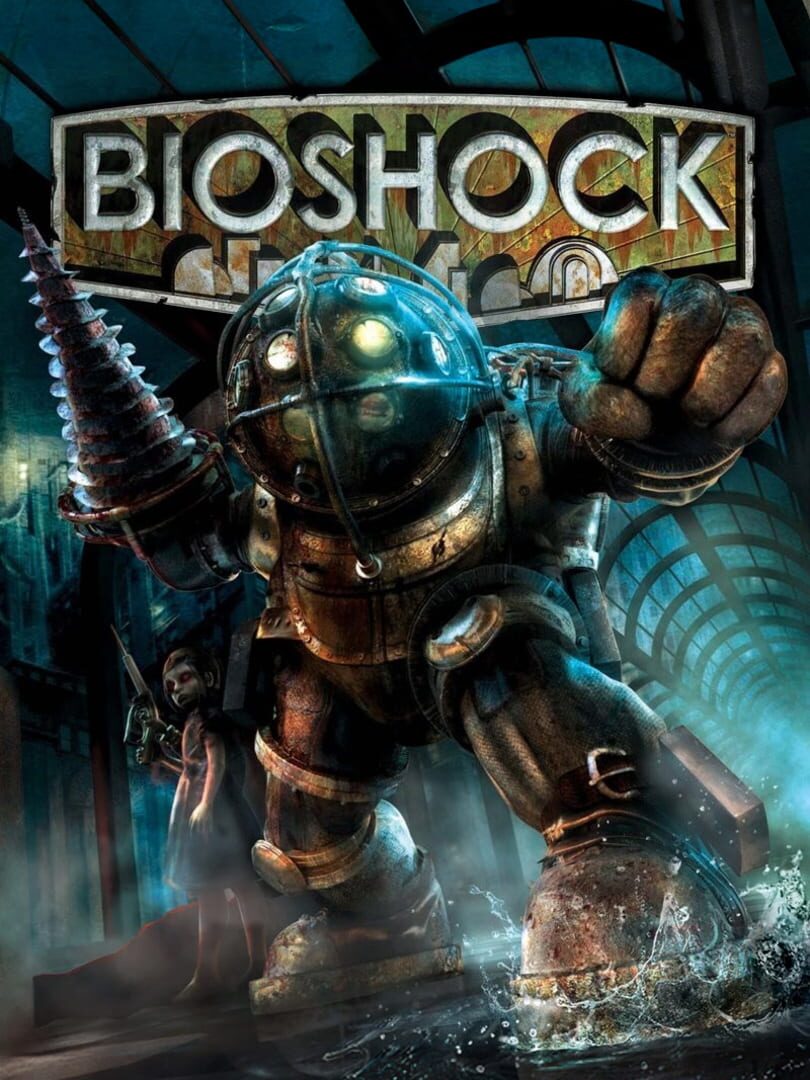
BioShock arrived in 2007 and immediately changed the conversation about what a first-person shooter could be. Most games in the genre at the time were about shooting soldiers in crates; BioShock was about a man named Jack stumbling into a failed underwater city called Rapture, built by a billionaire who wanted to escape the 'parasites' of the surface world.
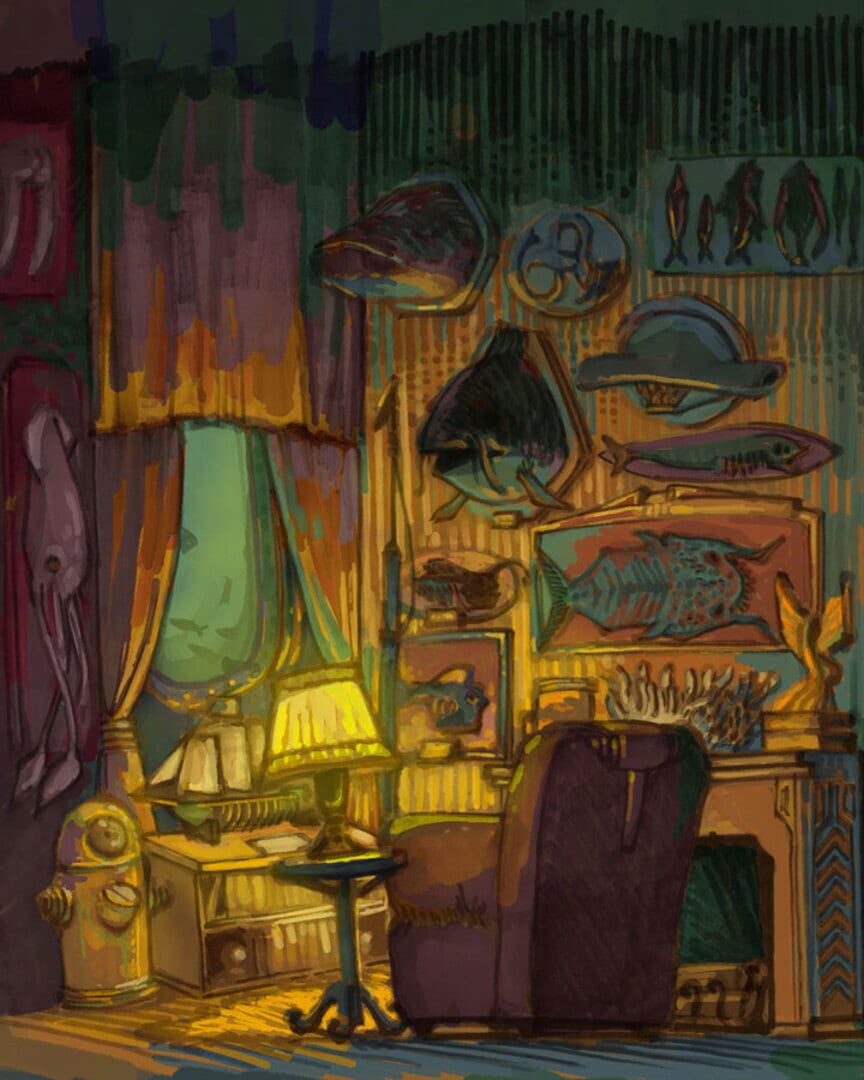
What makes it work is the environmental storytelling. You don't just read text logs; you see the remains of New Year's Eve parties from 1959, hear the desperate radio calls of people who were trapped as the city flooded, and watch the 'Splicers'—citizens who became addicted to DNA-altering Plasmids—slowly lose their minds.
Plasmids and Power
The gameplay revolves around Plasmids, which are essentially magic spells powered by science. You can shoot bees from your hands, freeze enemies solid, or hack turrets to fight for you. It encourages a 'play with your food' style of combat that is still satisfying twenty years later.
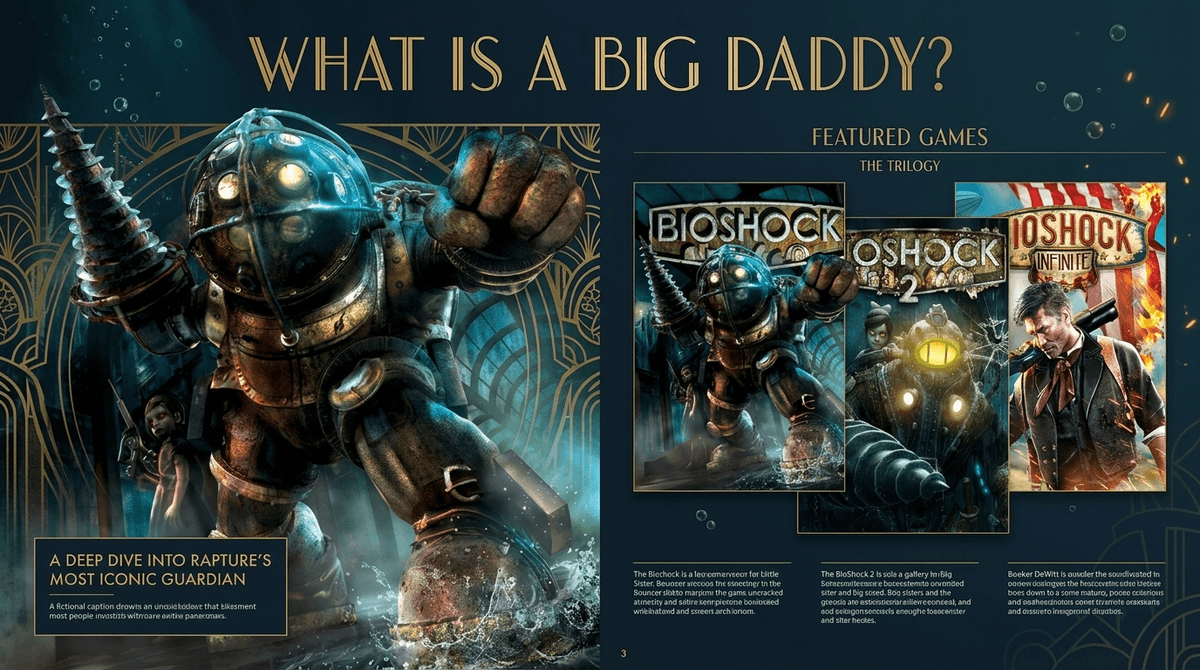
But the real hook is the moral choice. Throughout the game, you encounter Little Sisters, children who gather a resource called ADAM. You can save them (for less reward) or harvest them (for more power). While the binary choice is a bit dated by modern standards, it still forces a level of empathy rarely seen in shooters.
Why it still matters in 2026
Even in 2026, Rapture remains one of the most beautiful and terrifying locations in gaming. The Art Deco aesthetic is gorgeous, and the philosophical weight of the story—dealing with themes of Objectivism and the 'Great Chain'—makes it a perfect bridge for a teen interested in both gaming and literature. It’s a thinking person’s horror game.