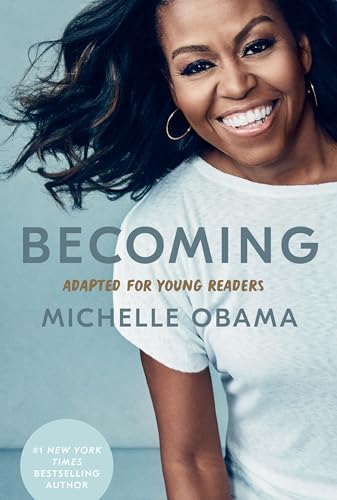
Becoming Young Readers

book

WISE
88%

WISE Score

A roadmap for the messy, non-linear journey of turning a kid who likes pictures into a kid who loves stories.

Where to Read

Our reviews and ratings are 100% unbiased, but as an Amazon Associate, Screenwise earns an affiliate fee if you buy a book or game by clicking one of our links. We don't get any credit if you just Google it instead :)

Screenwise Verdict

This is a solid resource for the intentional parent who wants to understand the how of reading without getting bogged down in the 'reading wars.' It treats literacy as a multi-stranded skill, which matches our philosophy perfectly.

It’s not a 'fun' read for the kids, but it’s an essential one for the adults. If you’ve ever wondered why your kid can sound out every word but has no idea what the story was about, this provides the context you need to help them bridge that gap.

Age Fit

Best for parents of kids aged 3 to 8. It's the 'sweet spot' where kids are transitioning from being read to toward independent reading.

WISE Breakdown
Wholesome
90

Focused entirely on the positive, foundational development of literacy and a love for stories.

Imaginative
65

As a likely instructional or educational guide, it prioritizes skill-building over pure creative play, though it encourages narrative engagement.

Safe
100

It is a book about learning to read; there is zero risk of inappropriate content or 'surprises' here.

Enriching
95

Literacy is the ultimate unlock. Any resource that helps parents navigate the 'Reading Rope' is high-value for developmental growth.

Parent Info

Why It Might Be Great

  • Focuses on the 'Reading Rope', helping parents distinguish between simple decoding (sounding out words) and actual language comprehension.
  • Validates multi-stranded literacy, emphasizing that reading aloud and audiobooks are 'real' reading practice for the brain.
  • Practical milestones that move beyond just memorizing sight words to understanding narrative structure.
  • Empowers parents to be co-adventurers in the reading process rather than just drill sergeants.

What to Watch For

  • It can lean a bit academic; don't let the 'checklists' turn into a source of parental anxiety if your kid is on their own timeline.
  • If you're looking for a storybook to read to your kid, this isn't it—it's the manual for how that process works.

Conversation Starters

  • "What was the first story that made you want to know what happened next?"
  • "Do you like sounding out the words yourself, or do you prefer when we listen to the story together?"
  • "Which part of a story is more fun: the words on the page or the pictures in your head?"

Ask Anything

Get a personalized guide on any topic