The Zootopia for Adults
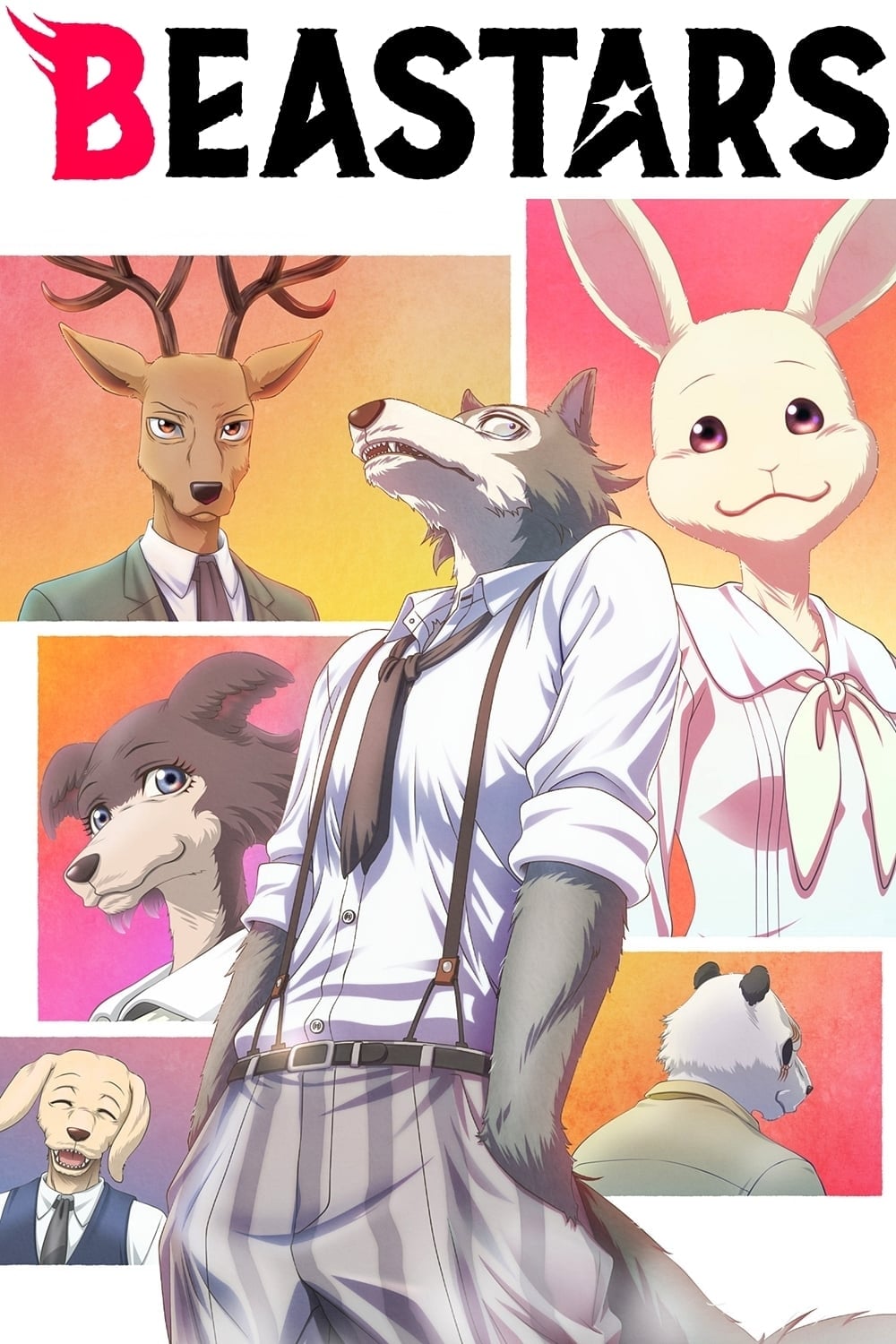
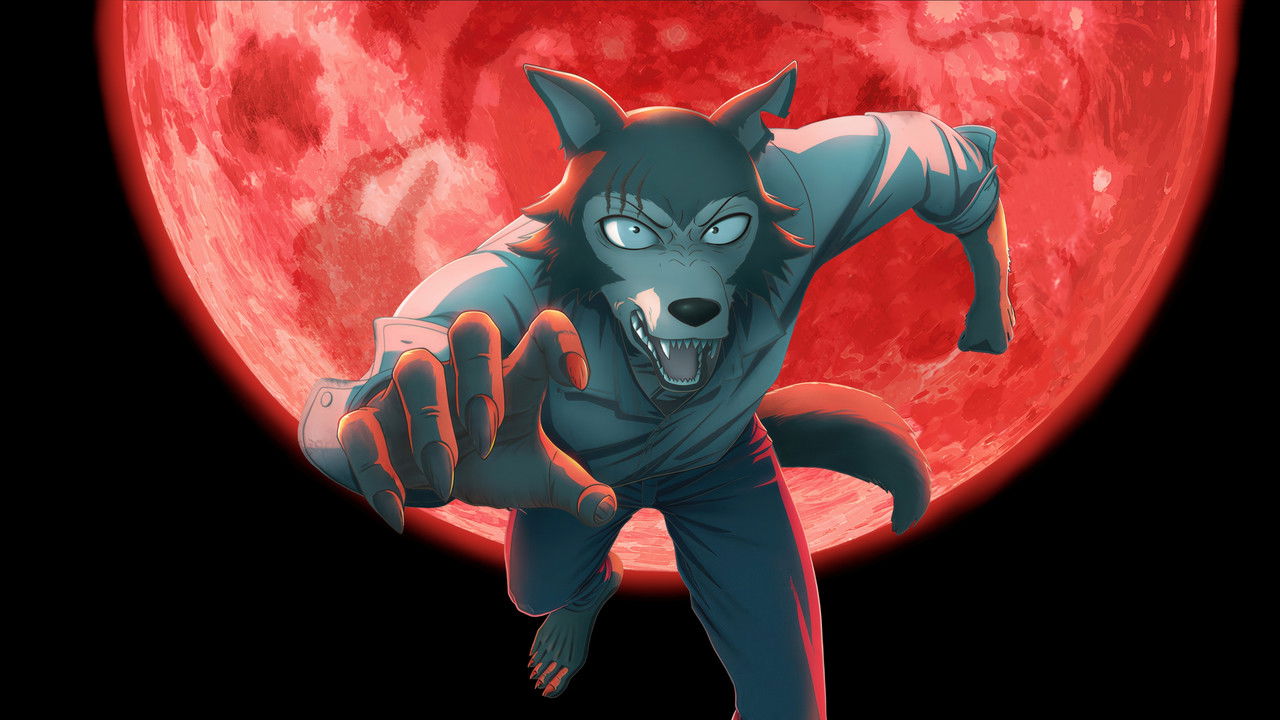
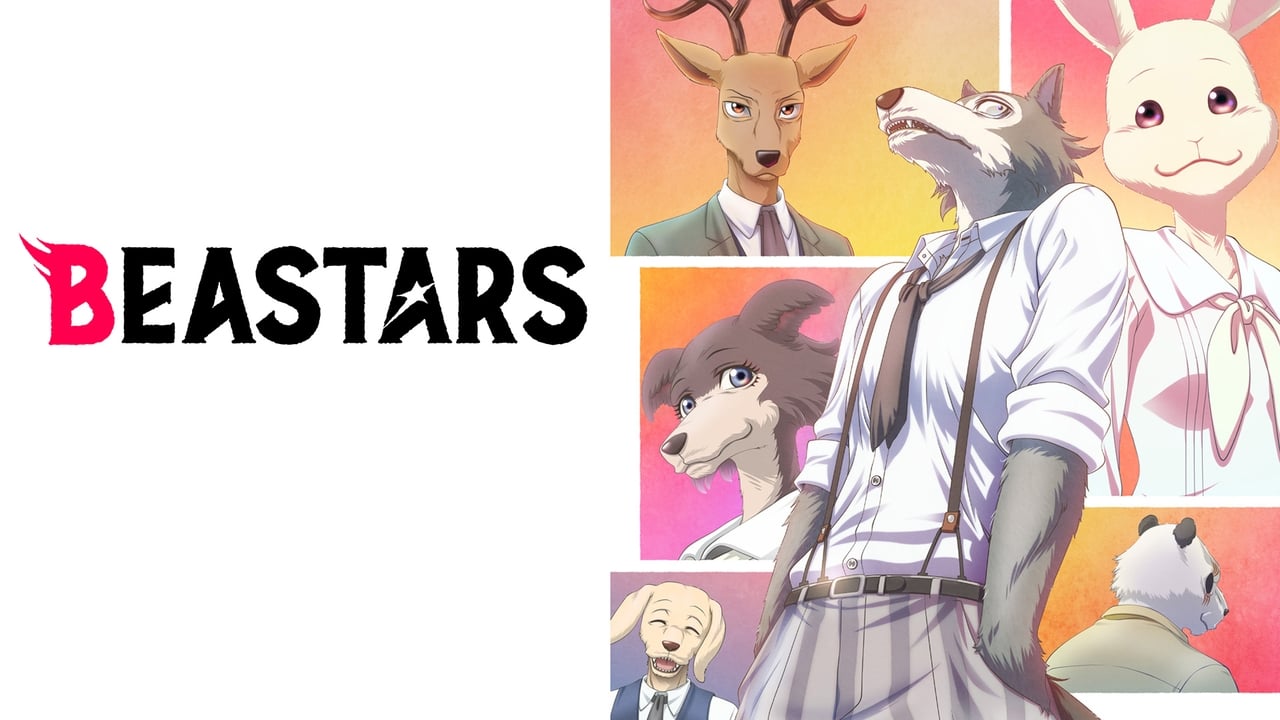
Beastars is what happens when you take the 'talking animal' trope and subject it to a brutal reality check. While Disney’s Zootopia handled the predator-prey dynamic with a 'we can all be friends' optimism, Beastars is much more interested in the friction. It asks: what if the wolf really does want to eat the rabbit, not because he’s a villain, but because his DNA is screaming at him to do it?
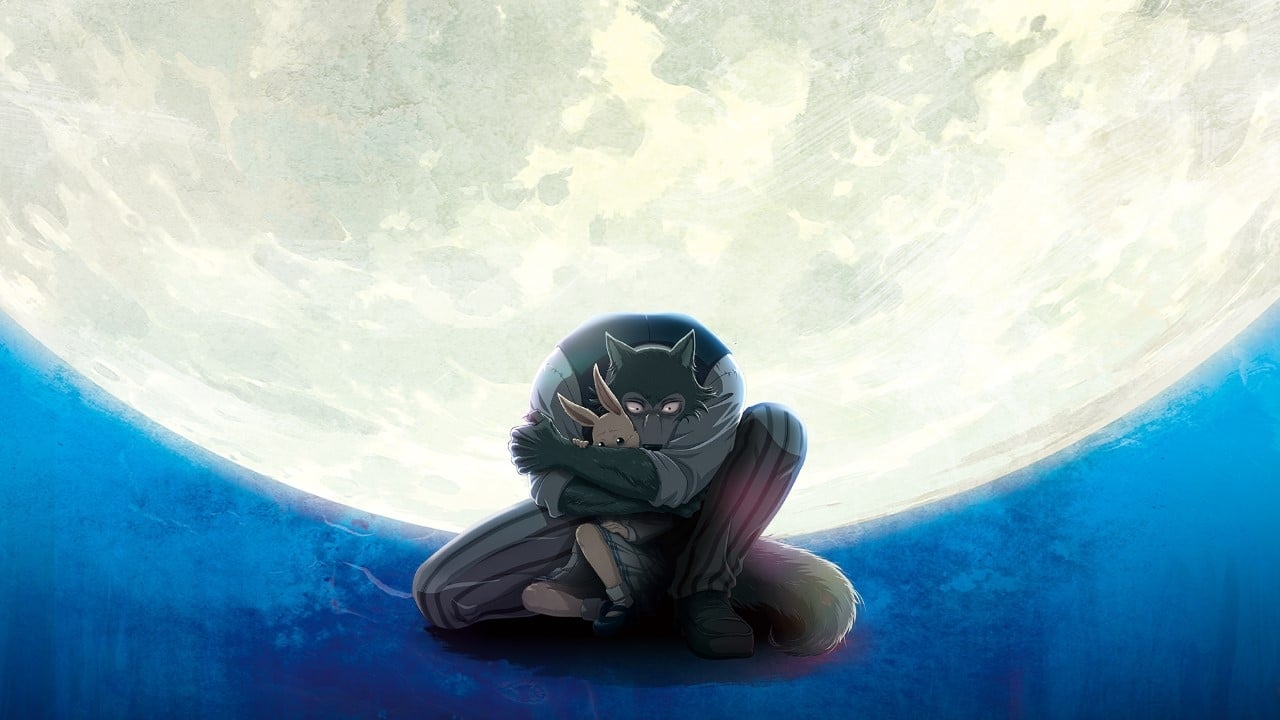
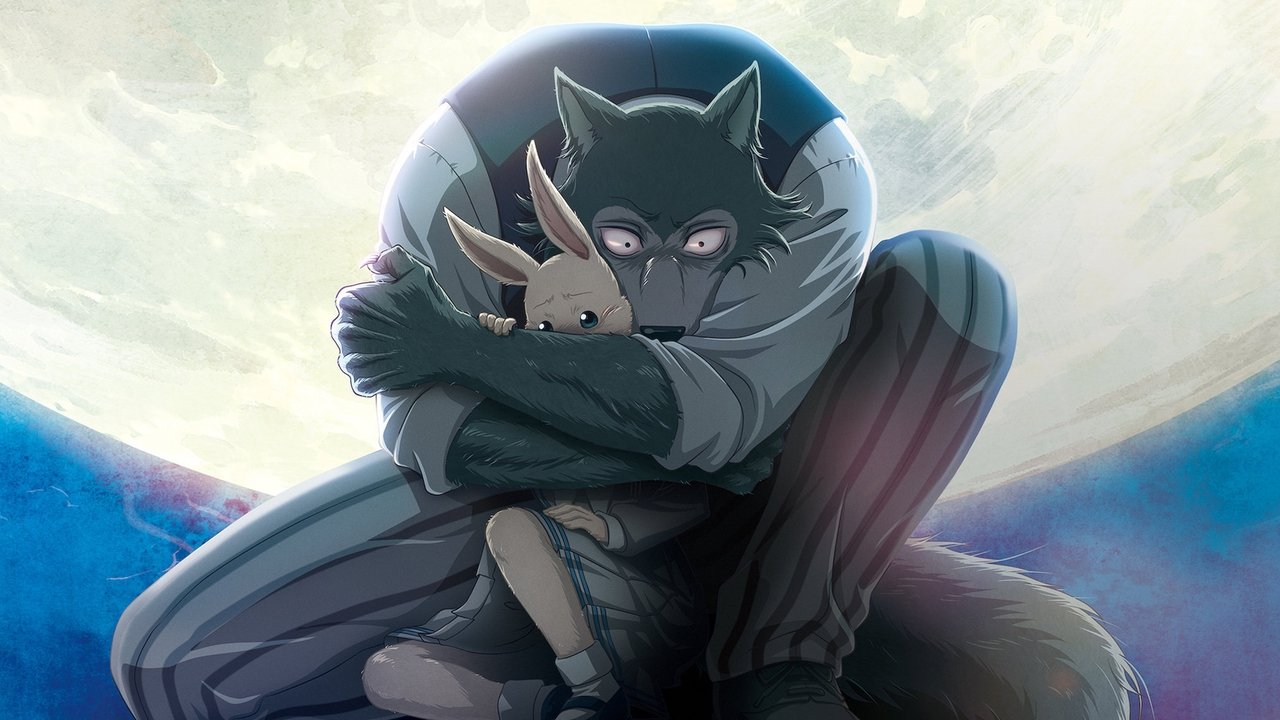
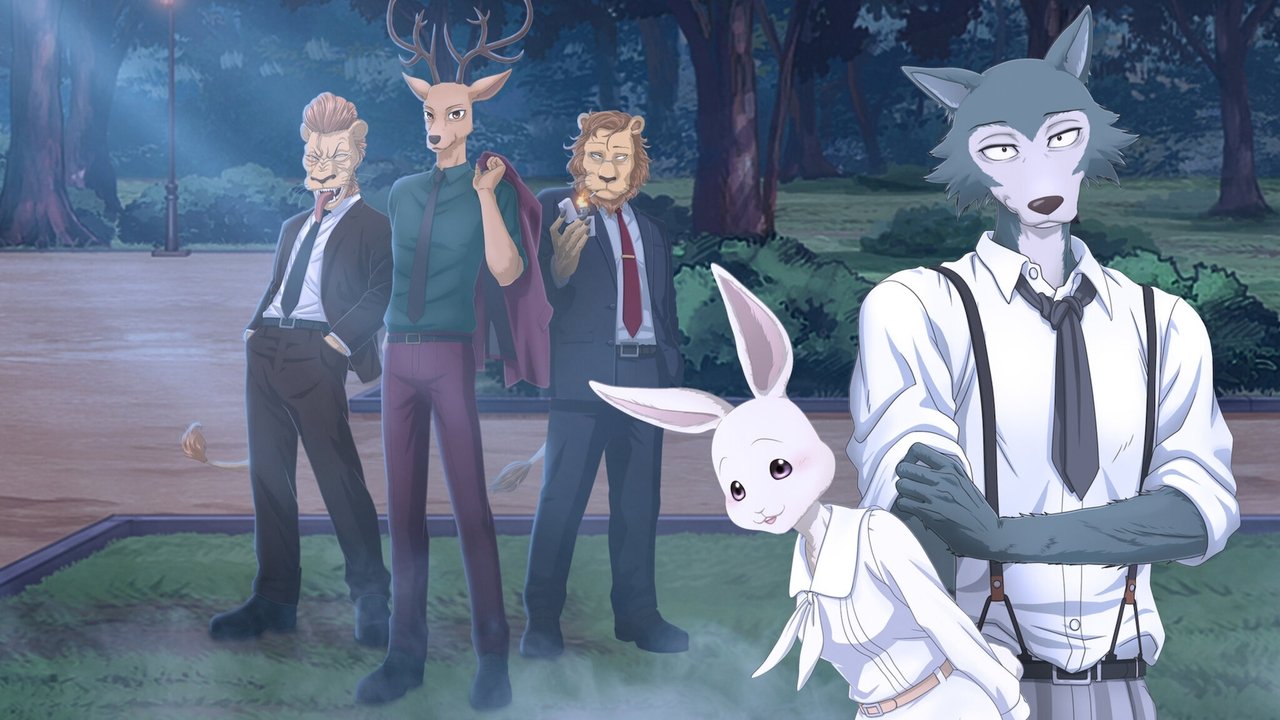
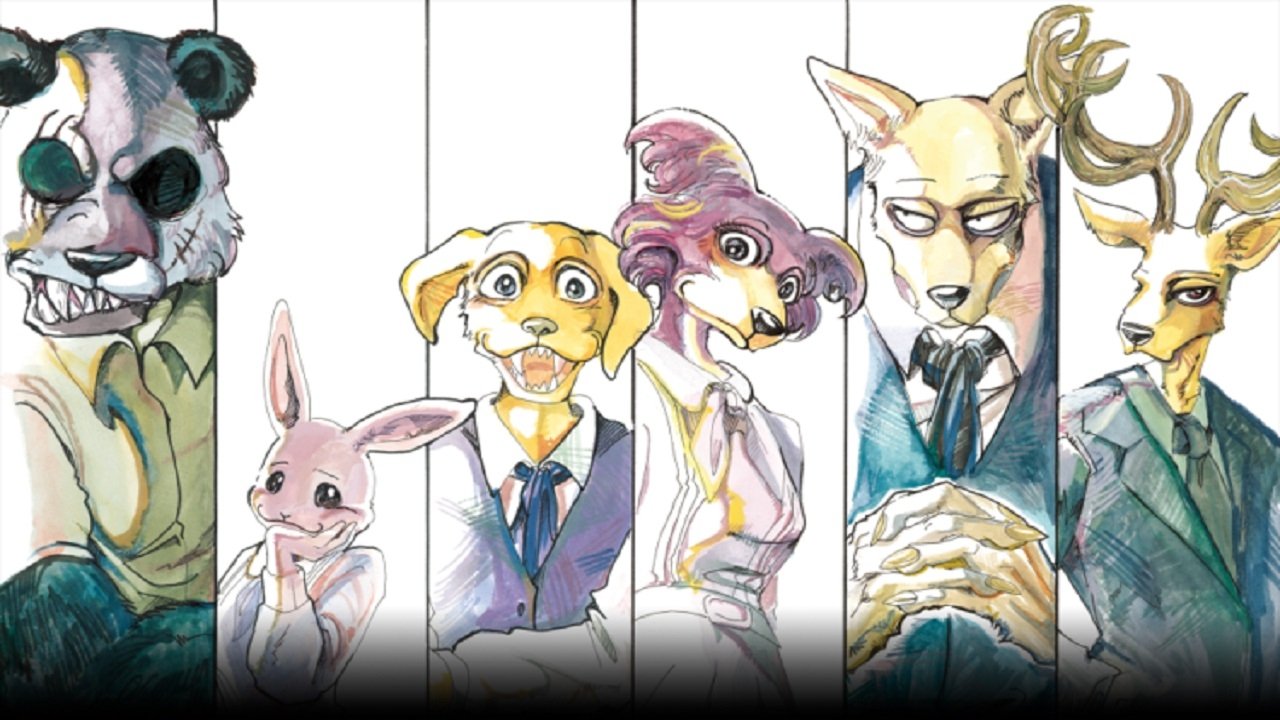
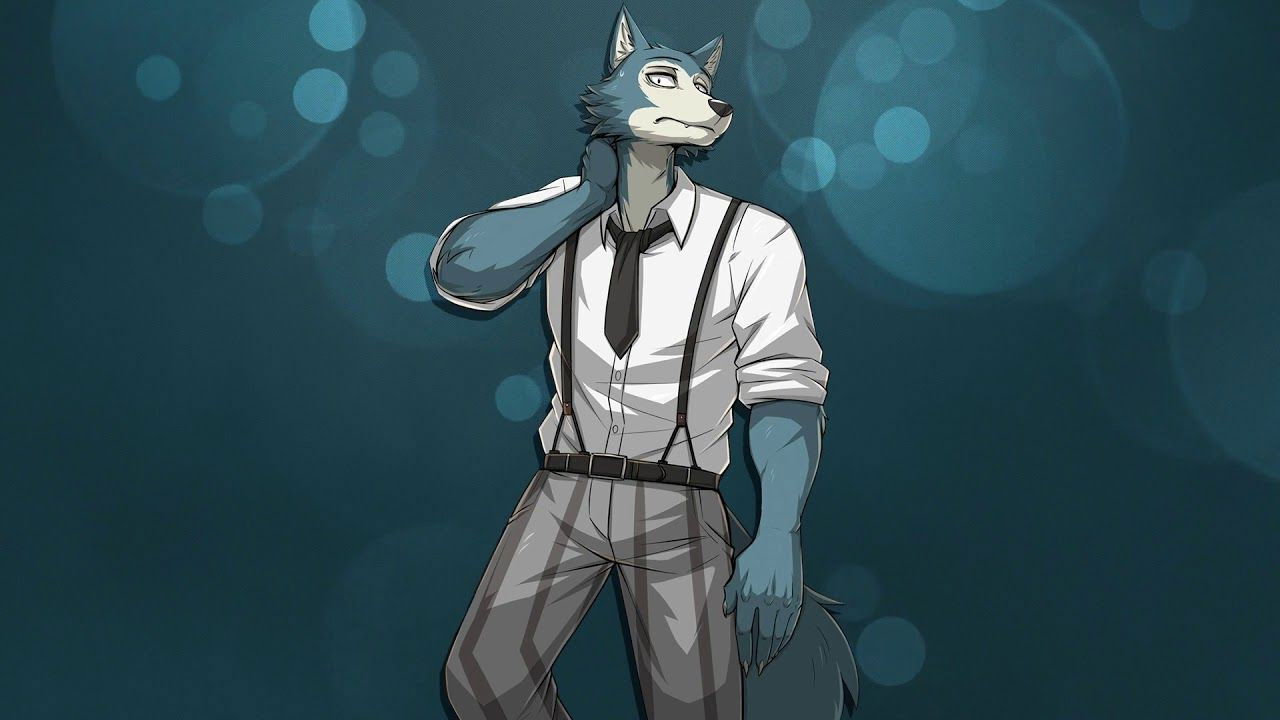
The show centers on Cherryton Academy, where a herbivore student is murdered and eaten. This sets off a powder keg of tension. Legosi, our protagonist, is a large gray wolf who is so terrified of his own strength and teeth that he walks with a slouch to appear smaller. His struggle isn't just about the murder mystery; it's about the terrifying realization that his growing feelings for a small rabbit named Haru might be a mix of love and hunger.
Why the Animation Matters
Most CGI anime feels stiff and cheap. Beastars is the exception. Produced by Studio Orange, the animation uses 3D models to allow for cinematic camera movements and facial expressions that 2D animation often struggles to capture at this scale. The characters have a weight and presence that makes the violence feel more impactful and the quiet, awkward moments of high school life feel more intimate.
A Warning on Content
Parents need to be aware that Beastars leans into its mature rating. There is a recurring 'Black Market' where carnivores go to indulge in their illegal meat-eating habits, and the imagery there is intentionally grotesque. Furthermore, the show handles sexuality with a frankness that is rare in Western animation. Haru, the rabbit, has a reputation for being sexually active, and there are scenes involving nudity and suggested intercourse that are central to the plot, not just background noise.
If you have a teen who is into anime and ready for something deeper than the standard 'battle' show, Beastars is a masterpiece of the genre. It’s a show that rewards careful watching and will likely lead to some very intense car-ride conversations about nature versus nurture.