The Blueprint for Superhero Games
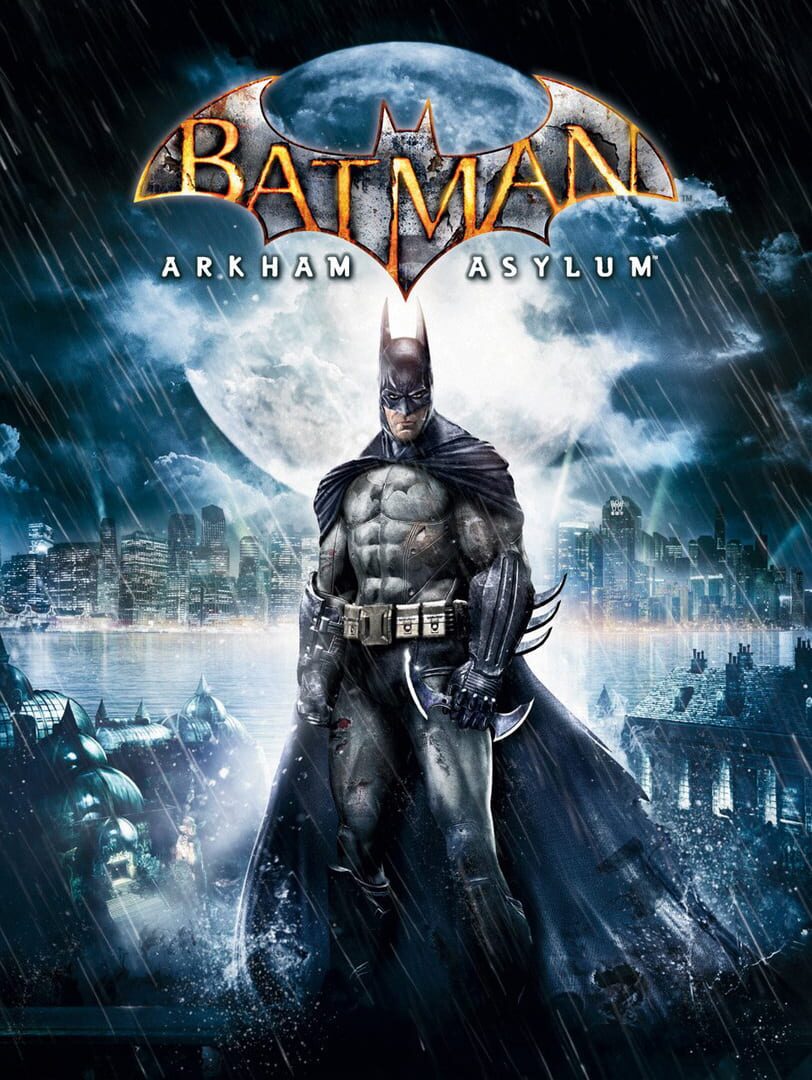
Before 2009, almost every superhero video game was a rushed movie tie-in designed to fleece parents at retail. Batman: Arkham Asylum changed that overnight by treating the source material with the seriousness of a high-end graphic novel and building mechanics tailored specifically to the character's abilities.
Brains Over Brawn
Most action games treat combat as button-mashing aggression. Arkham Asylum flips that dynamic. If you walk into a room and try to brawl with three thugs holding assault rifles, Batman dies in three seconds flat. The game forces the player to adopt a predator mindset:
- Swing up into the shadows and map out enemy patrol routes.
- Use sonic batarangs to lure a lone guard under a weak ceiling.
- Drop down silently, apply explosive gel to a nearby structural wall, and vanish back into the rafters before the squad realizes what happened.
This turns action sequences into spatial logic puzzles. Paired with Riddler's island-wide scavenger hunt, which requires players to decipher literary riddles by framing specific visual elements in the game's Detective Mode, the title constantly exercises observation and spatial reasoning.
The Scarecrow Factor
Parents evaluating the Teen rating need to know where the intensity lives. It is not the standard combat, which plays out like clean, bloodless comic-book choreography. The real friction comes from Scarecrow's fear toxin sequences.
At three distinct points in the campaign, reality distorts. Batman wanders into a morgue where body bags speak with his dead parents' voices, the game simulates a hardware crash on the console to induce panic, and giant skeletal nightmare figures stalk 2D platforming arenas. For a grounded tween, these are arguably the most memorable, artistic sequences in the game. For a kid who struggles with horror or sudden grotesque imagery, they can be intense nightmare fuel.