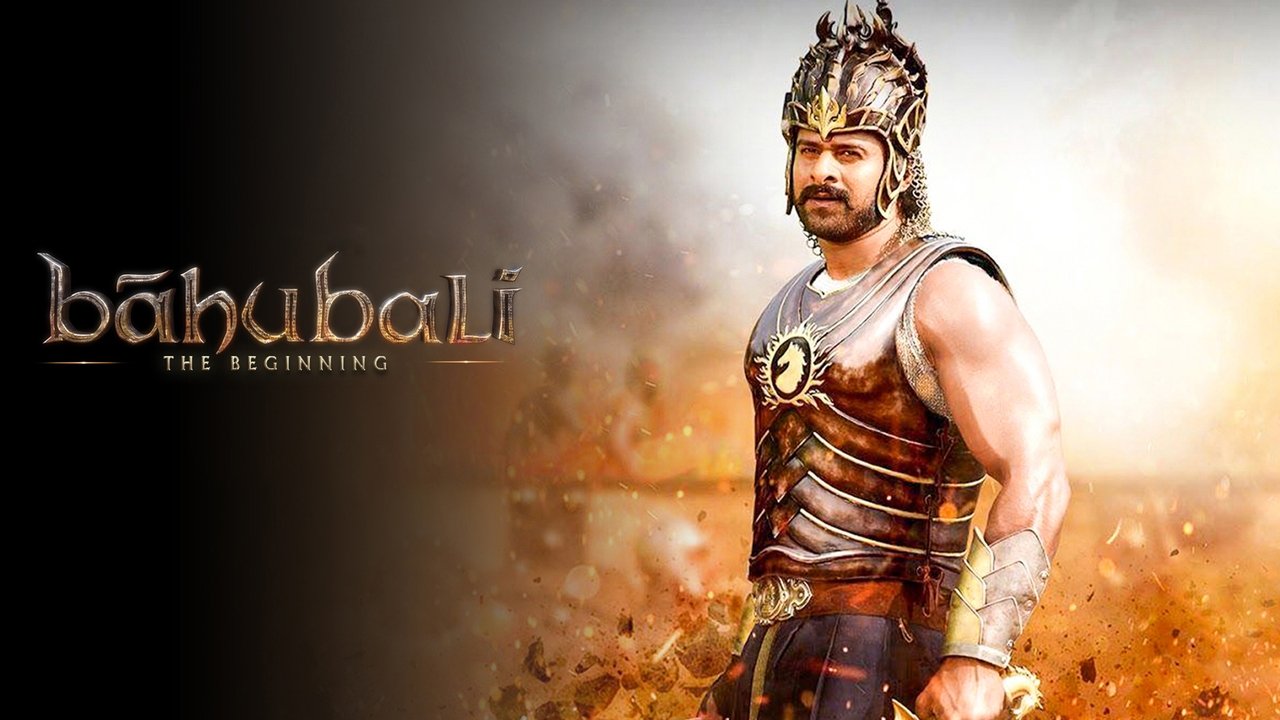
S.S. Rajamouli's Maximalist Masterpiece
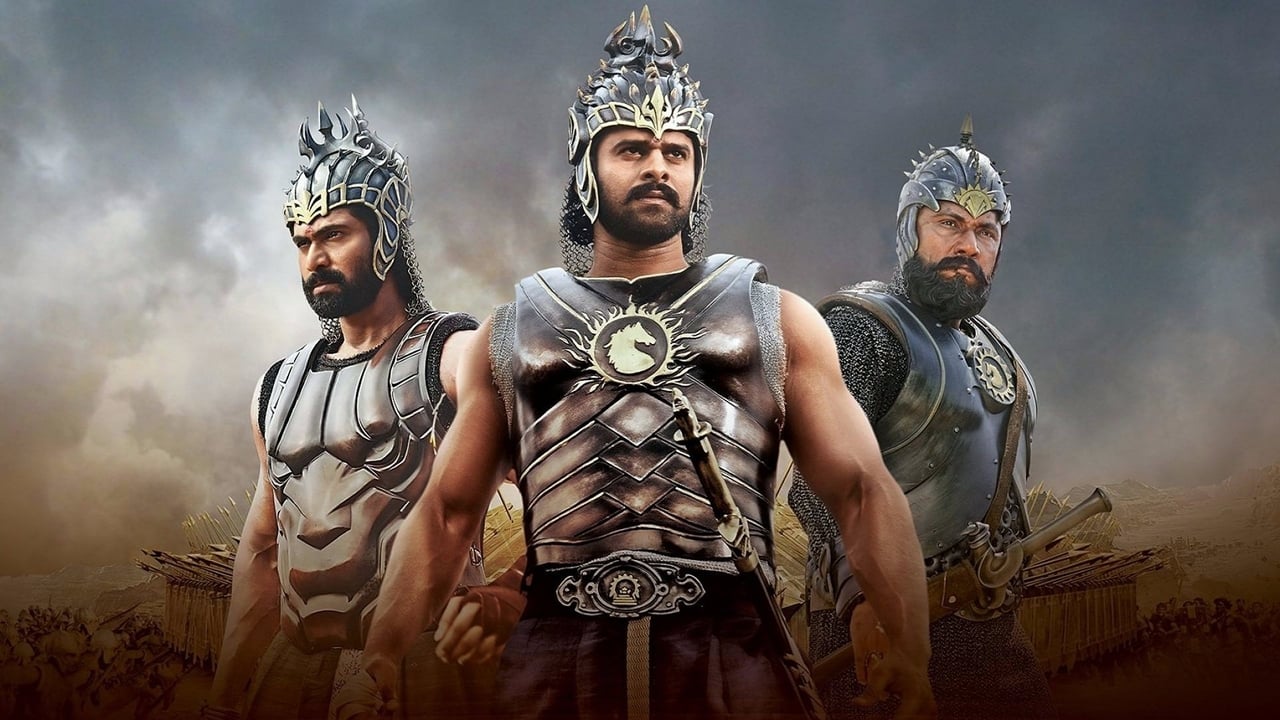
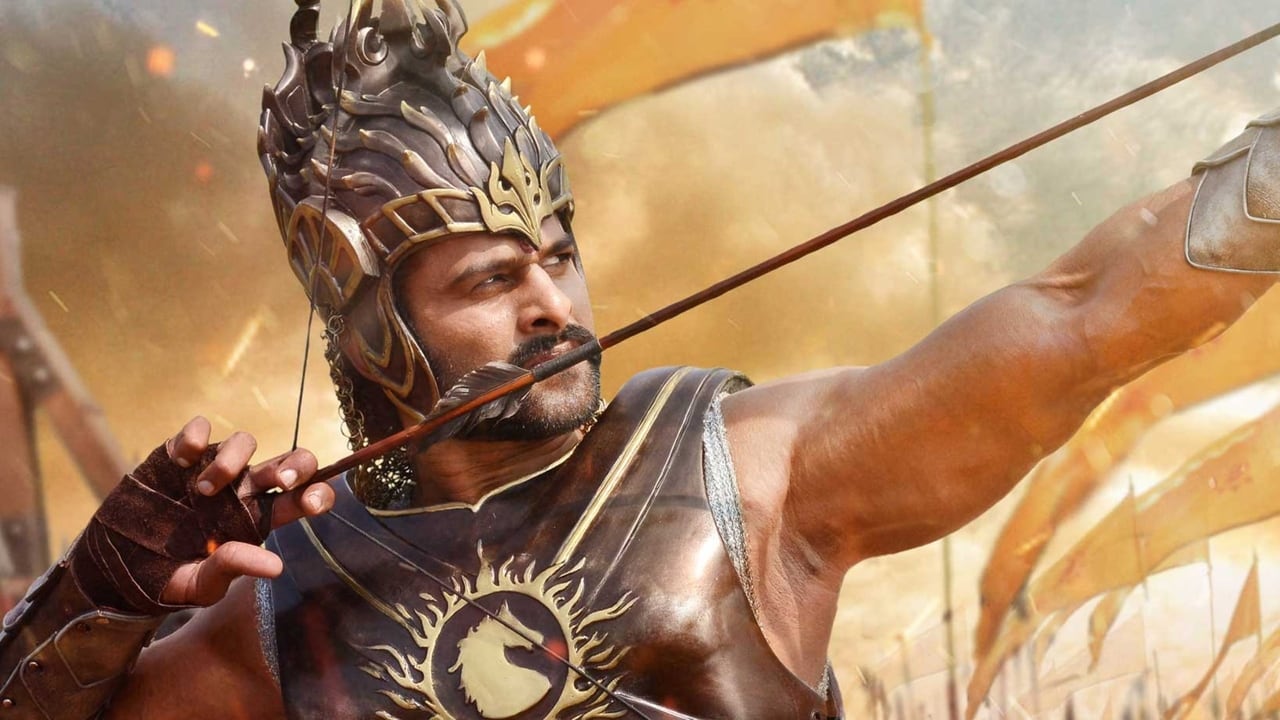
Long before RRR took over international pop culture, director S.S. Rajamouli proved that Indian commercial cinema could produce fantasy epics capable of standing beside The Lord of the Rings. Bāhubali: The Beginning isn't subtle, nor is it trying to be. It takes classic Indian mythological archetypes—the hidden prince, the loyal warrior, the tyrannical king—and inflates them to gravity-defying proportions.
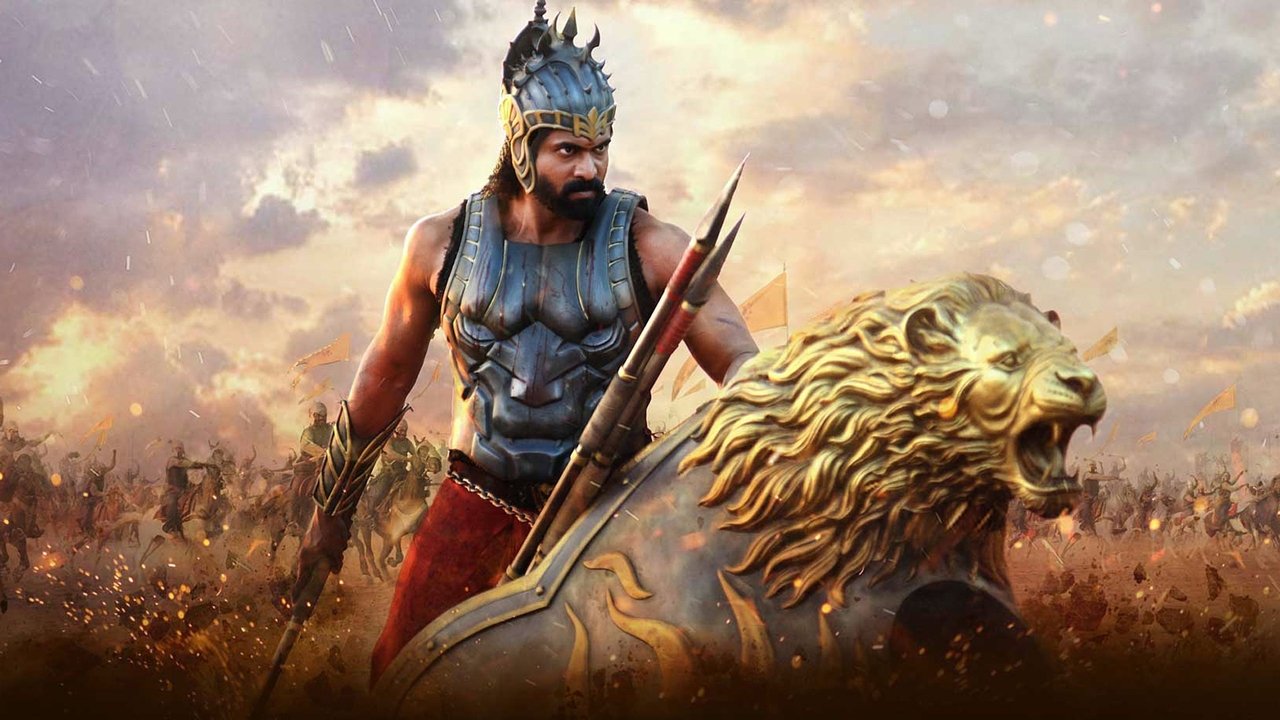
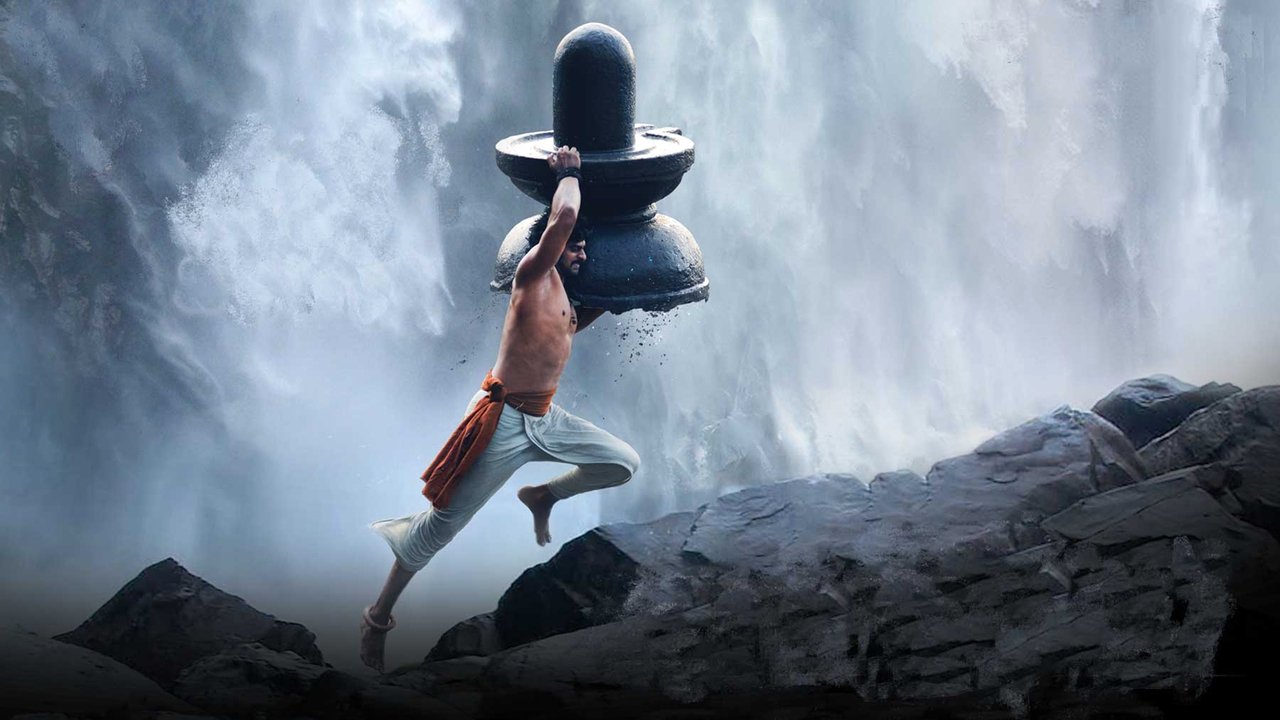
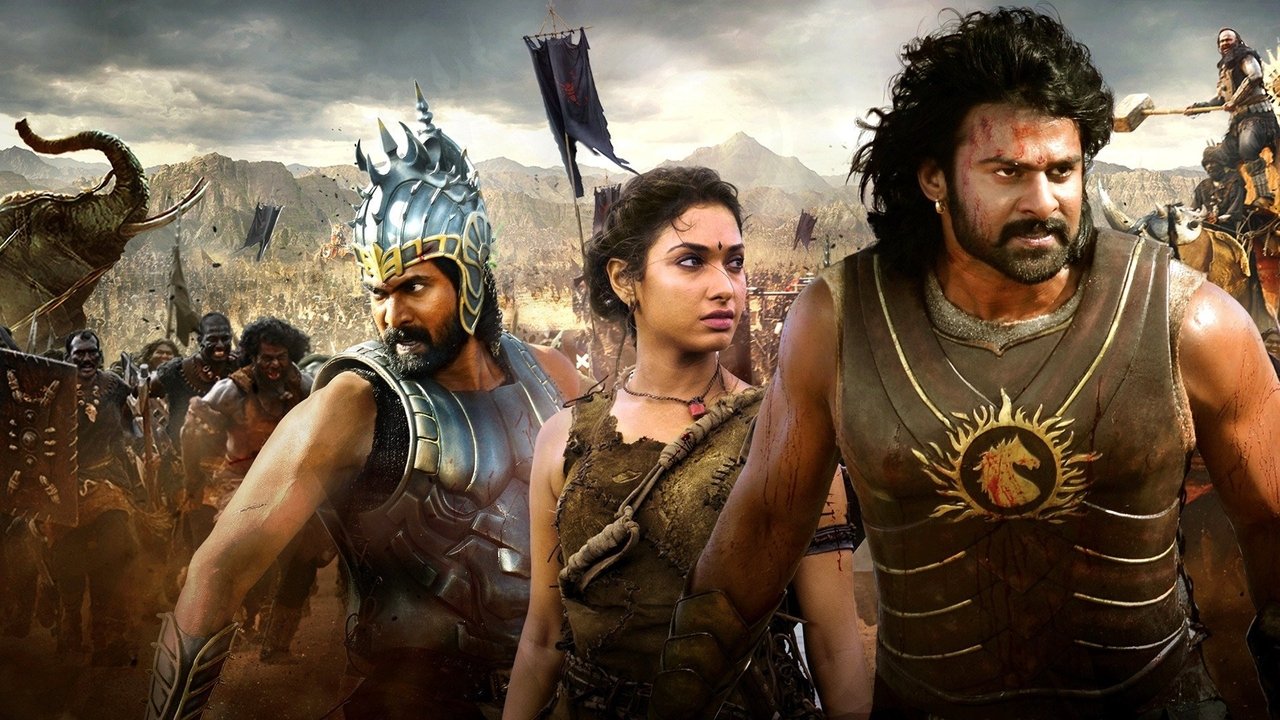
What sets the film apart for older teens is its absolute refusal to hold back. When Shivudu carries a massive stone Lingam on his shoulders to spare his mother a arduous trip to the waterfall, the camera treats him like an ancient demigod. When armies clash outside the kingdom of Mahishmati, the film introduces siege weapons and field tactics you have literally never seen in Western cinema.
The Violence and Content Realities
While the movie carries an operatic, fairytale tone, the violence pushes well past PG-13 standards in terms of gore. Sword fights end in clean decapitations, characters are pierced by dozens of arrows, and battlefield execution is portrayed with bloody finality.
There is also a romantic subplot featuring Avanthika, a hardened rebel soldier, where the hero subdues her by subtly removing her warrior attire to reveal makeup and feminine clothes underneath. It is a famous sequence in Indian pop cinema, but parents should expect a useful conversation about consent and gender tropes afterward.
If your high schooler is ready for heavy action violence and subtitled international cinema, Bāhubali is an unforgettable ride. Just make sure you have Bāhubali 2: The Conclusion ready to play the moment the credits roll.