Beyond the Stalker Narrative
Most stalking stories function as standard suspense thrillers: a psycho fixates on a normal person, tension escalates, police fail to help, and a violent climax resolves the threat. Baby Reindeer dismantles that entire architecture within three episodes.
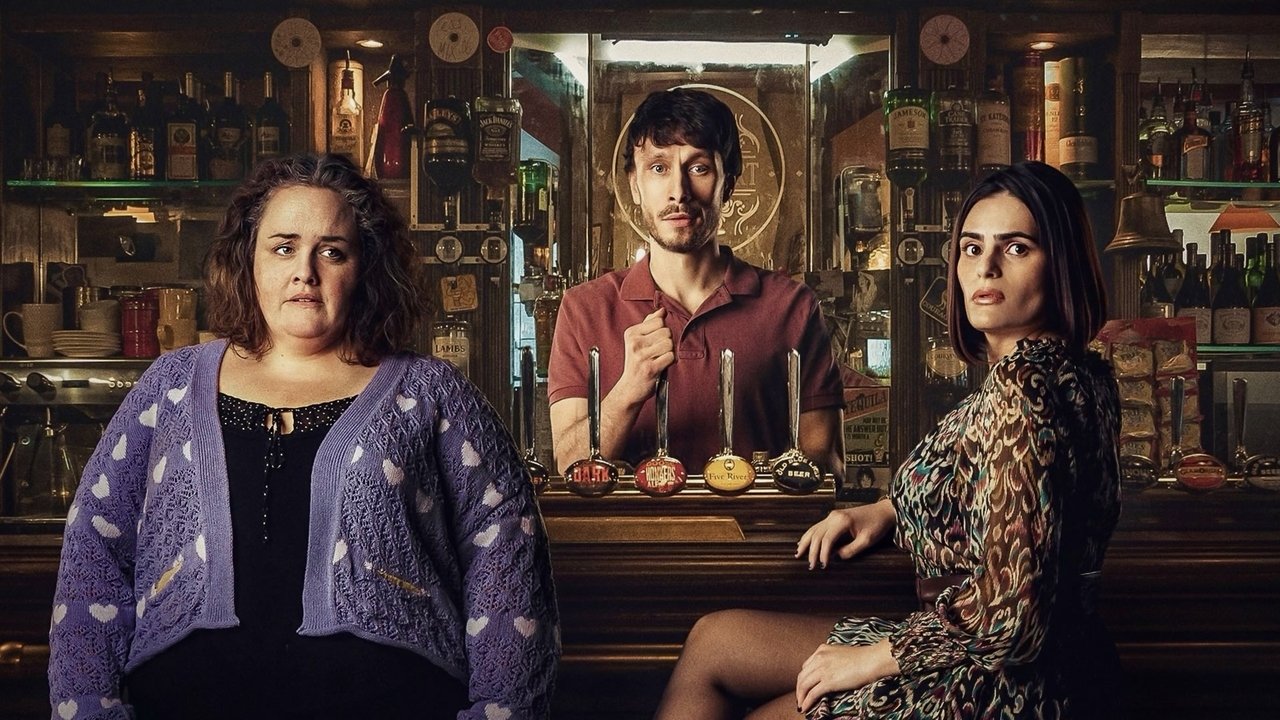
Because Gadd wrote the series based on his own lived experience, the show focuses heavily on his own complicity in keeping the door open. Donny gives Martha free drinks, listens to her unhinged fantasies, and trades flirtatious banter because her relentless obsession provides a dopamine hit his failing comedy career cannot. Watching someone feed the beast that is terrorizing them is deeply uncomfortable, but it is psychologically truthful.
The Episode 4 Turning Point
Parents considering letting a mature 16- or 17-year-old watch need to know about the fourth episode. The show abruptly shifts away from the central stalking plot to recount Donny's early twenties in Edinburgh, where an established male television writer grooms, drugs, and repeatedly rapes him under the guise of mentorship.
The sequence is prolonged, realistic, and devastating. It reframes the entire narrative: Donny does not tolerate Martha because he is naive; he tolerates her because his sense of bodily autonomy and self-worth was already obliterated years earlier. For mature viewers, it is an extraordinary piece of television about the quiet mechanics of assault. For an unprepared viewer, it can be retraumatizing.
The Real-World Fallout
Because the show exploded into a massive global phenomenon on Netflix, internet sleuths spent weeks tracking down the real people behind the characters. If your teen is online, they likely saw the discourse, the interviews, and the defamation fallout surrounding the real-life counterpart to Martha. Discussing the series offers a prime opportunity to talk about where artistic dramatization ends and real-life privacy begins.