Our reviews and ratings are 100% unbiased. As an Amazon Associate, Screenwise earns from qualifying purchases, so if you buy a book or game through one of our links, we may earn a commission. We don't get any credit if you just Google it instead :)
Screenwise Verdict
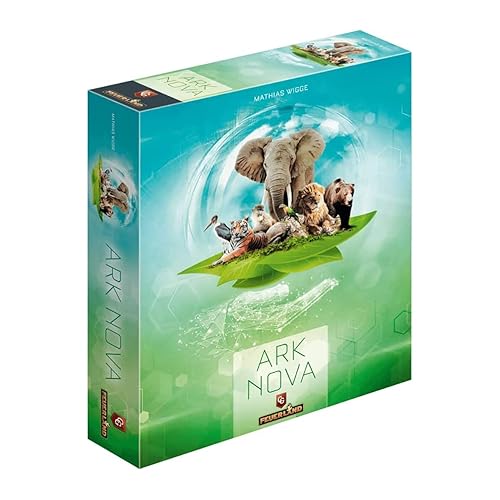
Ark Nova is the real deal for strategy game enthusiasts. It's complex, beautiful, and genuinely enriching—teaching conservation concepts while delivering that satisfying 'engine-building' gameplay that keeps serious gamers coming back.
The 4.8 Amazon rating and glowing board game community reviews aren't hype—this game earned its reputation. The 255 unique cards create endless combinations, and the conservation theme adds educational weight without feeling preachy.
But let's be clear: this is not Candy Land. Web searches confirm parents find it challenging even for 12-15 year olds. If your family's idea of game night is Uno or Apples to Apples, Ark Nova will feel like homework. But if you've got a teen (or you're an adult) who geeks out over optimization puzzles and doesn't mind spending 3 hours building the perfect zoo? This is a must-play.
The safety profile is pristine, the themes are wholesome, and the strategic depth is genuinely enriching. Just make sure your audience is ready for the commitment.
Age Fit
Best for ages 12 and up—this is a genuinely complex strategy game that demands focus, planning, and comfort with intricate rule systems. Teens who enjoy deep games like Wingspan or Terraforming Mars will love it. Adults make up a huge portion of the player base. Not recommended for casual family game nights with younger kids.
WISE Breakdown
Wholesome
88
A cooperative-competitive game about building and managing a zoo with conservation themes. Promotes thoughtful planning, animal welfare, and environmental stewardship. The conservation project mechanism teaches real-world ecological responsibility. Social dynamics are generally positive, though competitive elements can create tension—but that's part of strategic board gaming.
Imaginative
91
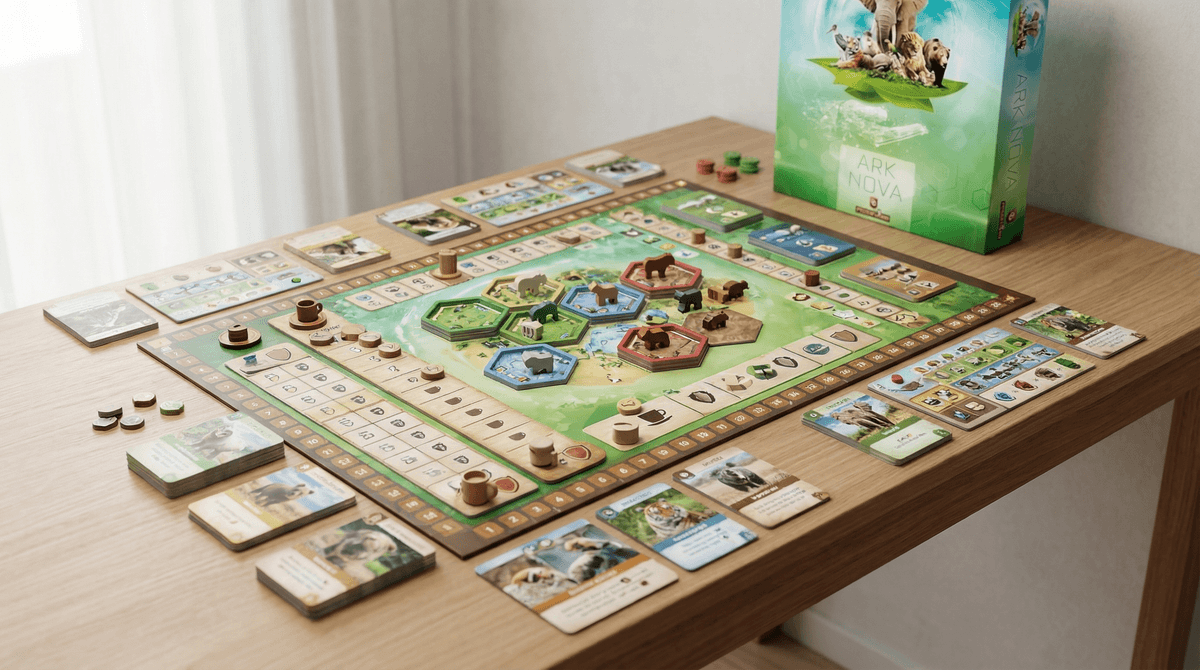
255 unique cards featuring animals, specialists, and conservation projects create endless strategic combinations and storytelling opportunities. Players design their own zoo layouts, make meaningful choices about which animals to house and which conservation efforts to support. The game invites creative problem-solving and spatial planning. High replayability ensures each session feels fresh and demands new approaches.
Safe
95
Board games don't get much safer than this. No mature content, no gambling mechanics, no toxic social dynamics. The competitive nature is strategic rather than confrontational—players build their own zoos rather than directly sabotaging opponents. Web search results confirm parents successfully play with teens (12-15) without concerns. Only minor caveat: the complexity might frustrate younger or less patient players, but that's a fit issue, not a safety one.
Enriching
89
Teaches resource management, long-term strategic planning, and spatial reasoning. The 255 cards expose players to diverse animal species and real conservation efforts worldwide. Players must balance multiple competing priorities (appeal vs. scientific reputation, immediate gains vs. long-term strategy). The action-card upgrade system teaches optimization and efficiency. Mathias Wigge's design rewards thoughtful planning over luck, building genuine strategic thinking skills.
Parent Info
✓
Why It Might Be Great
255 unique cards mean every game plays differently—genuinely high replayability
Conservation themes teach real ecological concepts while you strategize
Rewards long-term planning and optimization over luck or chaos
Gorgeous production quality with detailed animal illustrations
Scratches that deep-strategy itch for teens and adults who want something meatier than Catan
⚠
What to Watch For
This is NOT a casual family game—expect 2-4 hours and significant brain burn
Steep learning curve; web searches confirm it's 'really quite complex' even for experienced gamers
Younger kids (under 12) will likely struggle with the strategic depth and rule complexity
Competitive elements mean someone will lose—but the zoo-building theme softens the blow
Conversation Starters
"Which animals did you choose for your zoo and why? What made them a good fit?"
"What conservation projects did you support? Did you learn about any new endangered species?"
"How did you decide which actions to upgrade first? What was your overall strategy?"
"If you could design your own zoo in real life, what would be your top three must-have animals?"