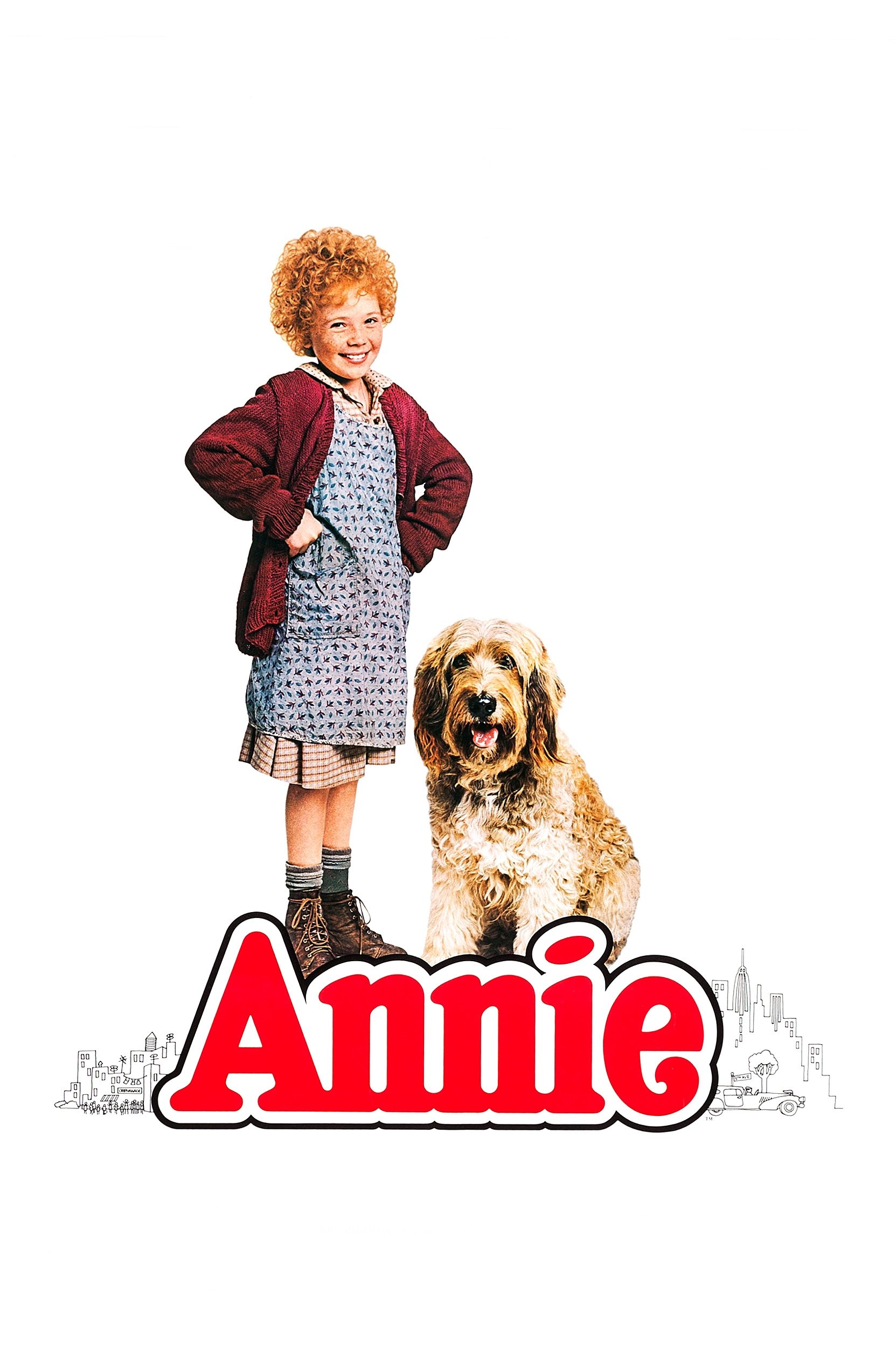
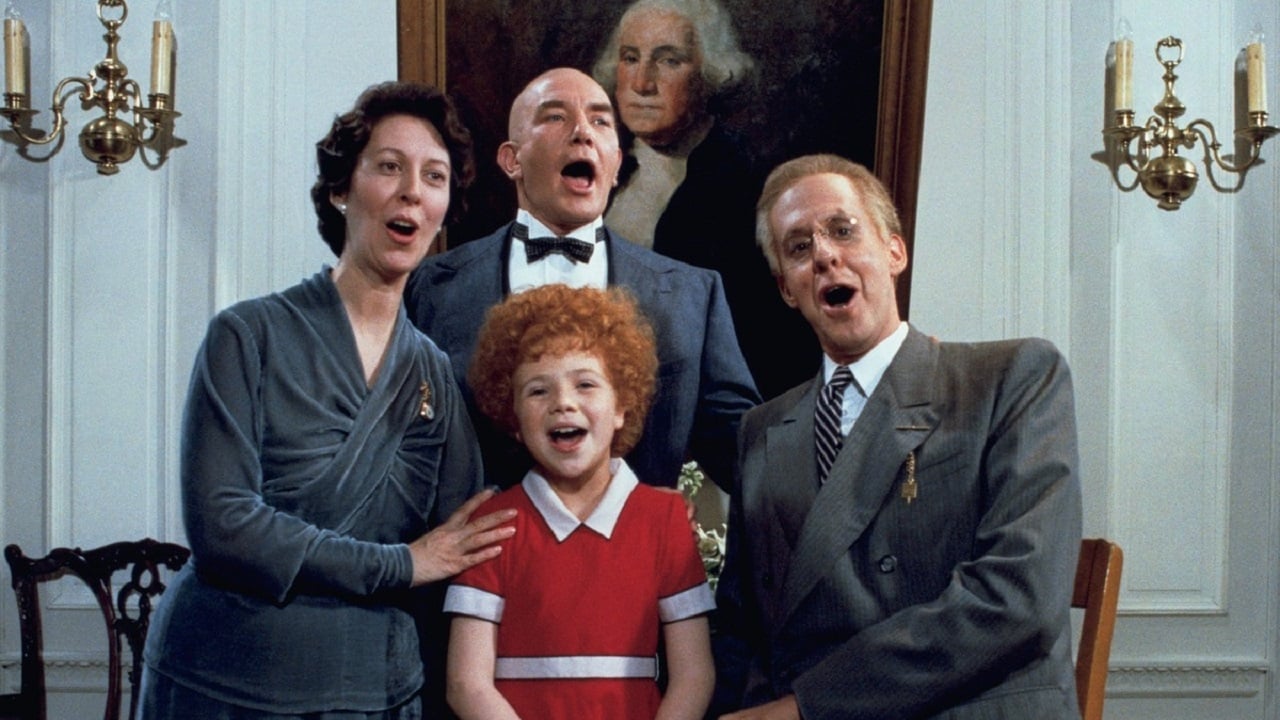
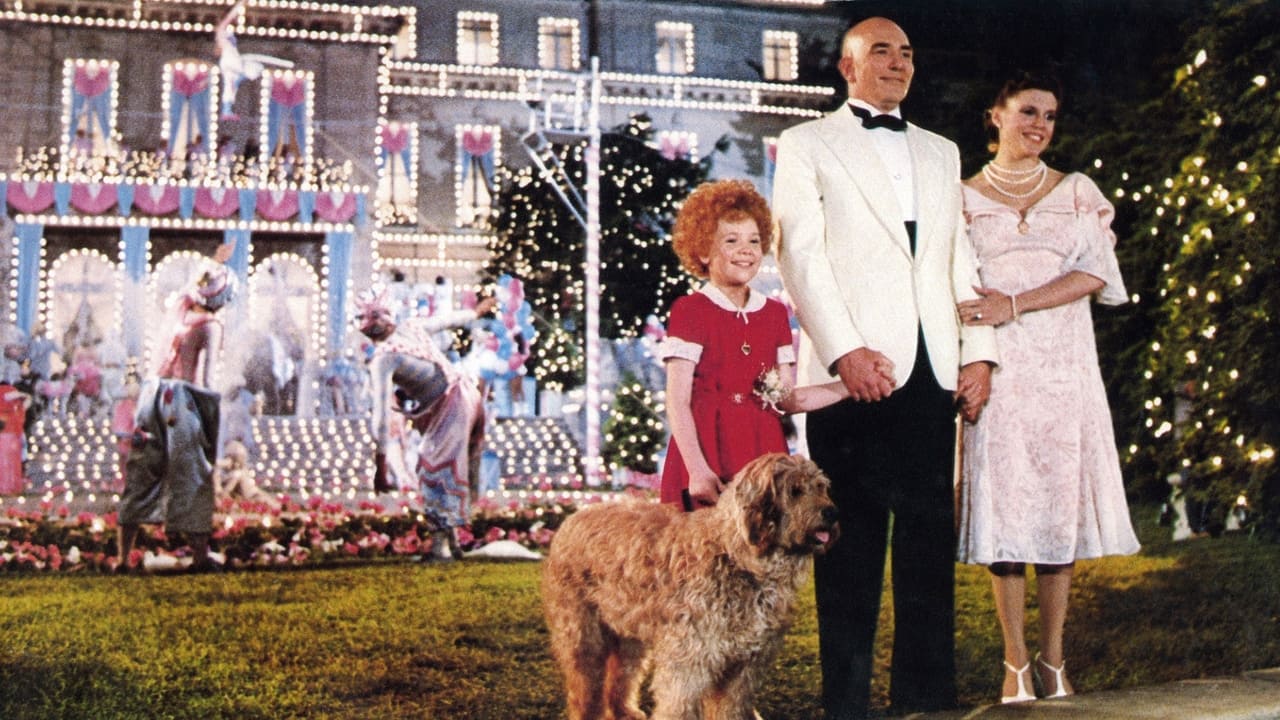
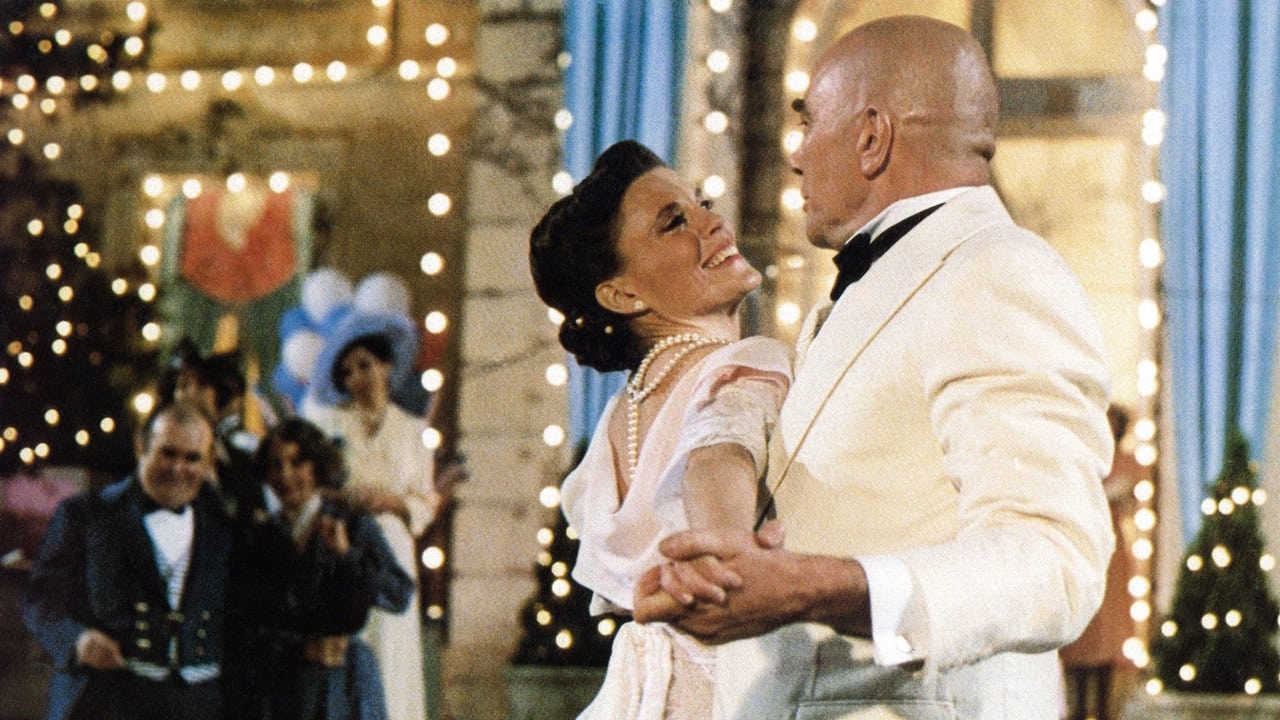
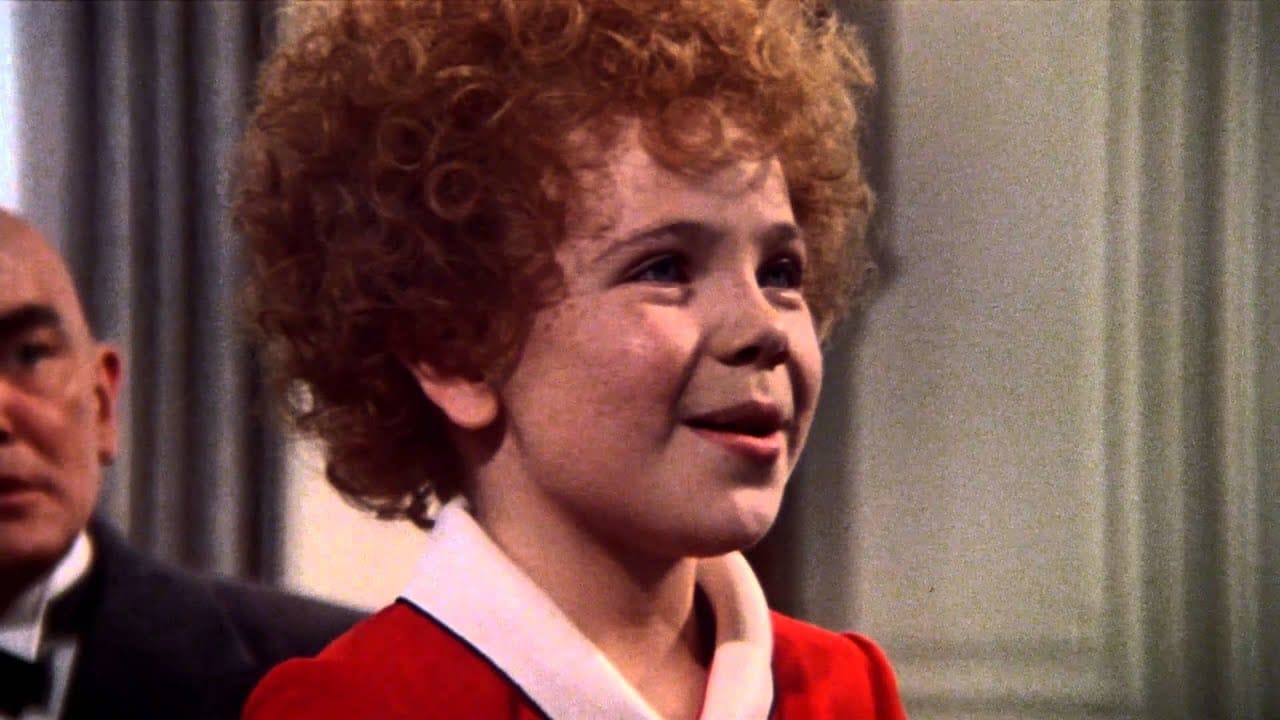
There is a specific kind of 1980s movie 'weirdness' that Annie captures perfectly. It isn't as polished as the 2014 remake, but it has significantly more soul. The opening sequence of the orphans cleaning the dormitory is still a marvel of choreography and set design, and it sets a high bar that the rest of the movie struggles to maintain.
"The movie is a curious mix of the gritty and the spectacular, a Great Depression musical that feels both like a stage play and a fever dream."
The casting is the real draw here. Aileen Quinn is a solid Annie, but the adults steal the show. Albert Finney’s Daddy Warbucks is gruff in a way that feels real, and his eventual softening toward Annie feels earned rather than scripted. Then there’s the villainous trio of Miss Hannigan, Rooster, and Lily St. Regis. Their 'Easy Street' number is arguably the best part of the film, even if the plot they’re hatching is genuinely dark.
For a 2026 audience, the biggest hurdle is the length. At 127 minutes, it’s longer than most Marvel movies. It was filmed in an era where 'intermission' was still a living memory, and it shows. If you’re watching this with a younger kid, don't feel guilty about breaking it into two nights. The first half ends naturally when Annie arrives at the mansion; the second half deals with the search for her parents and the eventual kidnapping plot.
Ultimately, it’s a movie about the 'haves' and the 'have-nots.' While the resolution—Annie gets adopted by a billionaire—is the ultimate wish-fulfillment, it’s worth talking to kids about the other orphans who didn't get a golden ticket. It’s a heavy theme wrapped in a lot of red hair and catchy choruses.