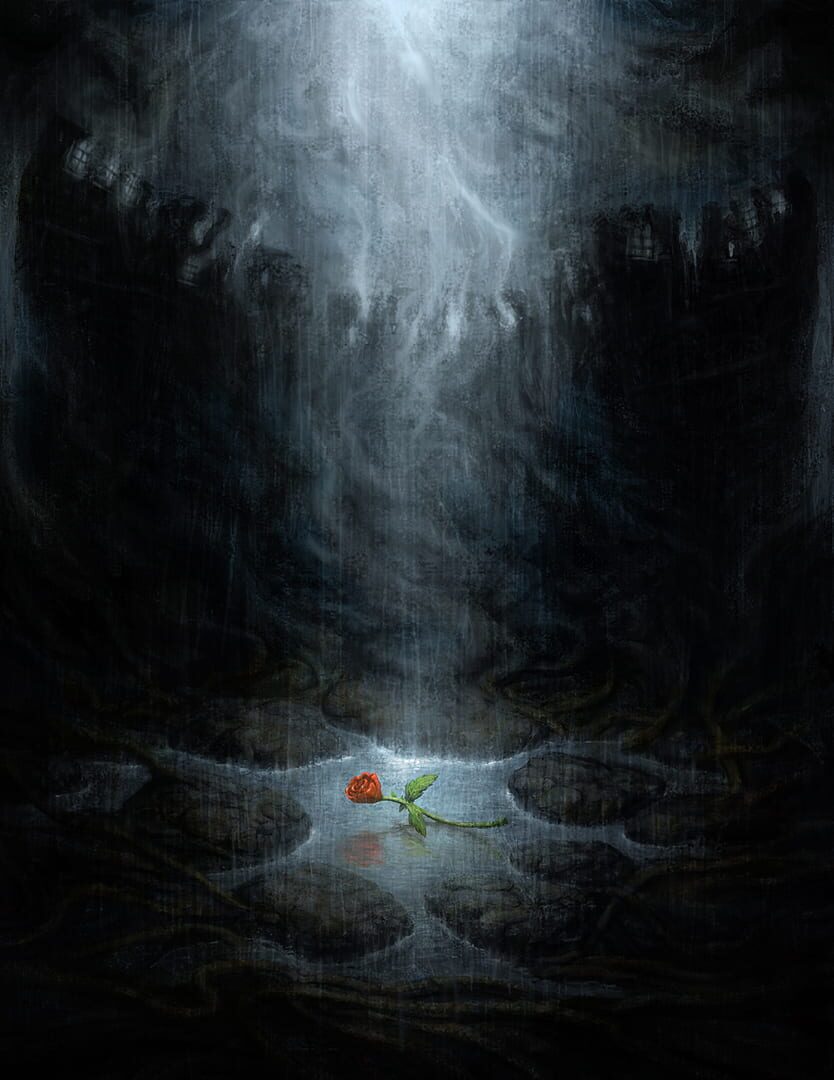
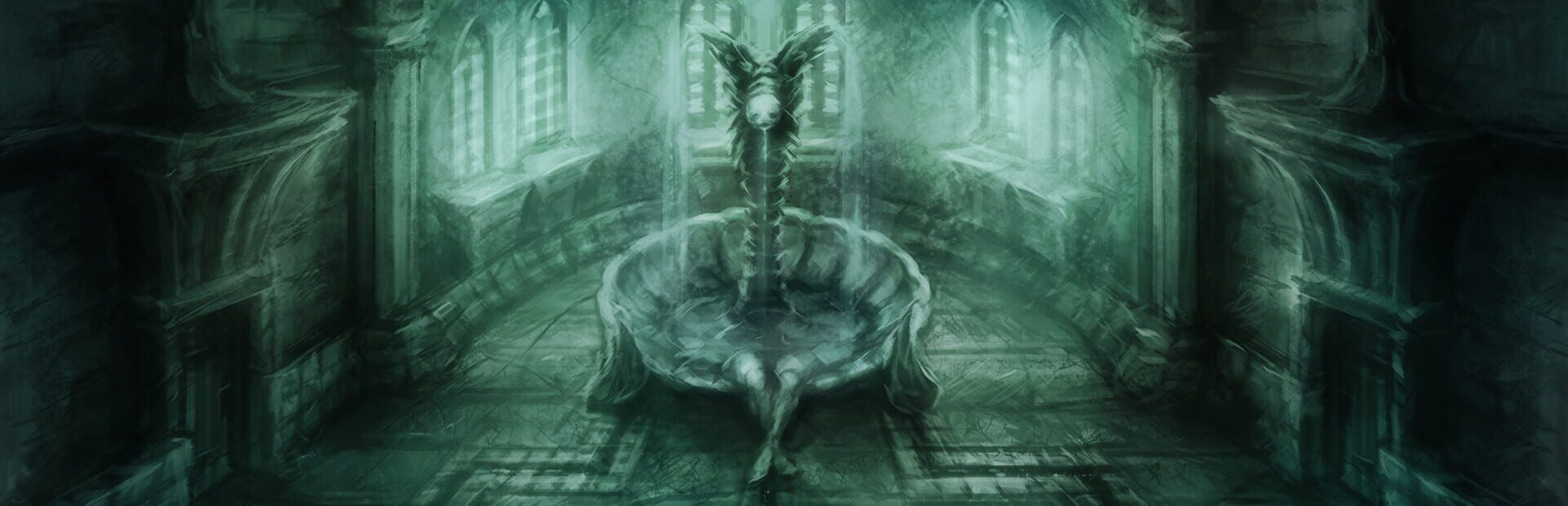
The game that created the screaming YouTuber
If you ever wondered why half of gaming YouTube consists of twenty-somethings screaming into webcams in the corner of the screen, Amnesia: The Dark Descent is ground zero. When Swedish studio Frictional Games released it in 2010, most horror games handed you a shotgun and waves of zombies. Amnesia gave you a lantern that constantly runs out of oil and a physics engine where you have to manually pull the mouse back to crack open a heavy wooden door to peek down a hallway.
How the sanity mechanic traps you
The brilliance of the design is how its two survival systems work against each other:
- Light reveals you to the patrolling monsters, so your instinct is to blow out your lantern and crouch in a dark corner.
- Darkness drains your sanity, causing the camera to lurch, bugs to crawl across the lens, and Daniel to whimper loudly enough to draw the monster anyway.
- Looking at the monster also tanks your sanity, so you can't even watch its patrol route safely.
You are constantly forced to move forward into rooms you do not want to enter just to find a candle stub to stand near. Even the famous invisible water monster sequence (Kaernk) is really just a floor-is-lava puzzle dressed up in splashing sound effects and panic.
Where the content gets genuinely dark
For the first few hours, Amnesia feels like an interactive Edgar Allan Poe story: crumbling masonry, wind howling, mysterious notes. In the back half, as you descend into the cistern and choir, the narrative reveals how the castle's baron (and Daniel himself) tried to ward off an ancient shadow by extracting "vitae" from prisoners through extreme terror. You walk through rooms containing iron maidens, a brazen bull, and sawing racks, accompanied by voice-acted flashbacks of the torture. It is psychological rather than gory in a high-definition modern sense, but the thematic weight is bleak.
If a middle schooler asks for this because they like Doors or Five Nights at Freddy's, know that Amnesia is much slower, requires real puzzle-solving patience, and hits much darker thematic notes. If they want the no-combat puzzle tension without the medieval torture chambers, point them toward Little Nightmares or Subnautica first.