The Spectacle of Accountability
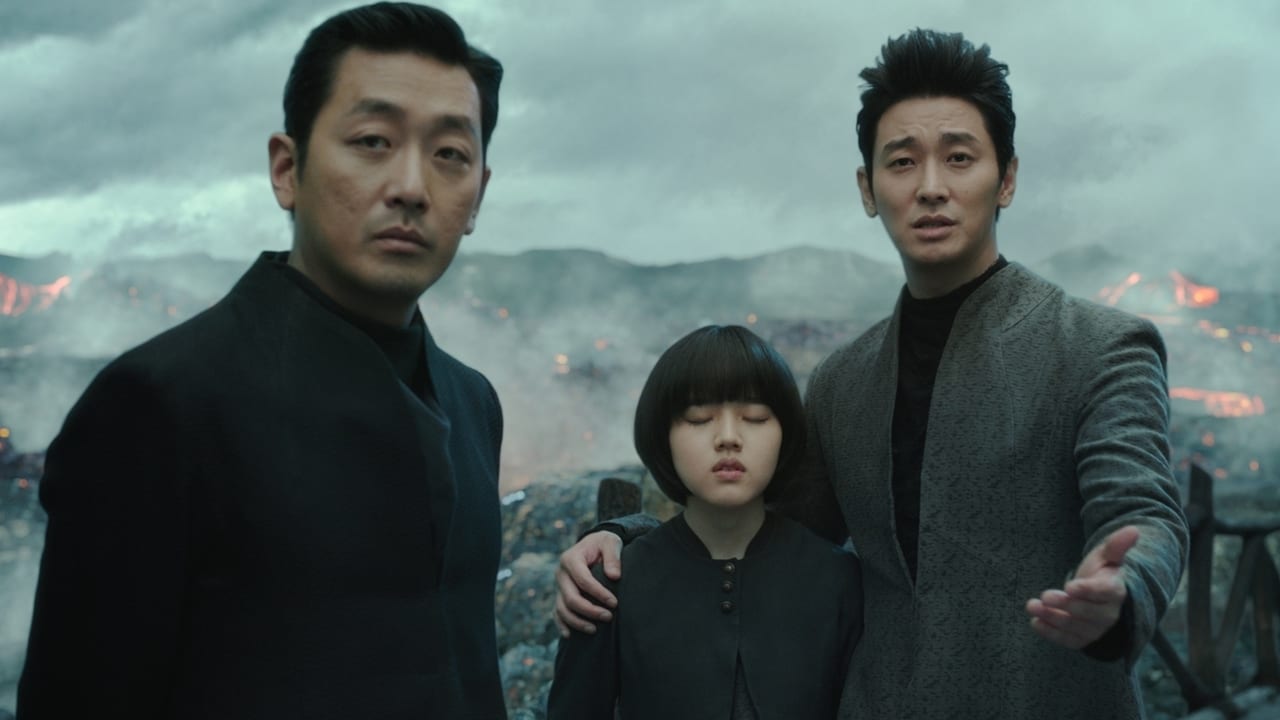
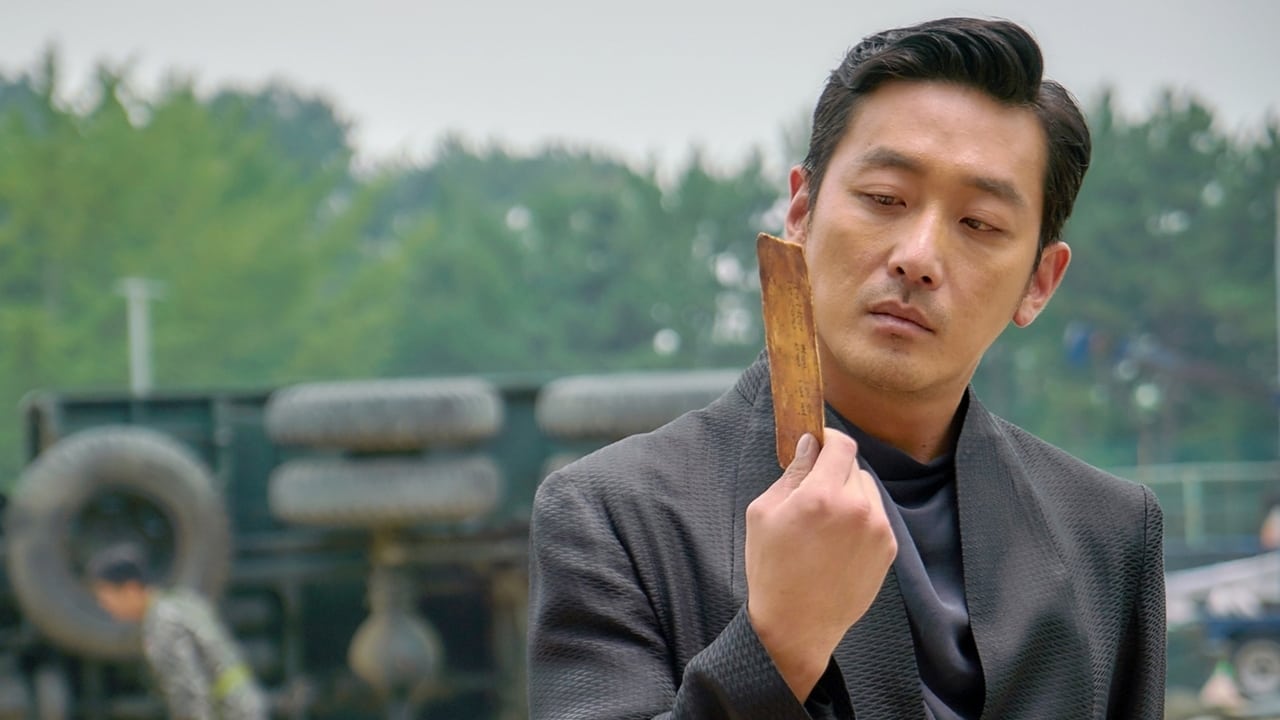
Along with the Gods: The Two Worlds was a massive hit in South Korea for a reason. It takes the universal anxiety of 'what happens when we die' and turns it into a structured, high-stakes legal battle. The protagonist, Ja-hong, is a 'paragon'—a firefighter who died saving a child—but even he has secrets that the afterlife prosecutors are eager to exploit.
What makes this movie work for a family night is the way it categorizes human behavior. The seven trials (Lies, Indolence, Deceit, Injustice, Betrayal, Violence, and Filial Impiety) provide a perfect framework for talking about ethics without being boring. The 'Hell of Indolence,' for example, features a giant rolling stone that crushes anyone who wasted their life doing nothing. It's a bit on the nose, but it's visually arresting and starts great conversations about what 'a life well-lived' actually looks like.
More Than Just a Trial
While the trials are the hook, the heart of the film is the mystery of Ja-hong’s past. As the guardians defend him, we see flashbacks to his life that complicate his 'hero' status. This nuance is where the movie shines. It treats people as complicated beings who make bad choices for good reasons, and vice versa.
Be warned: the final act is an emotional wrecking ball. It leans heavily into the 'filial piety' (respect for parents) theme that is central to many East Asian cultures. If you’re watching with kids, be prepared for some heavy sniffing and maybe a few awkward 'I'm not crying, you're crying' moments.
Visuals and Pacing
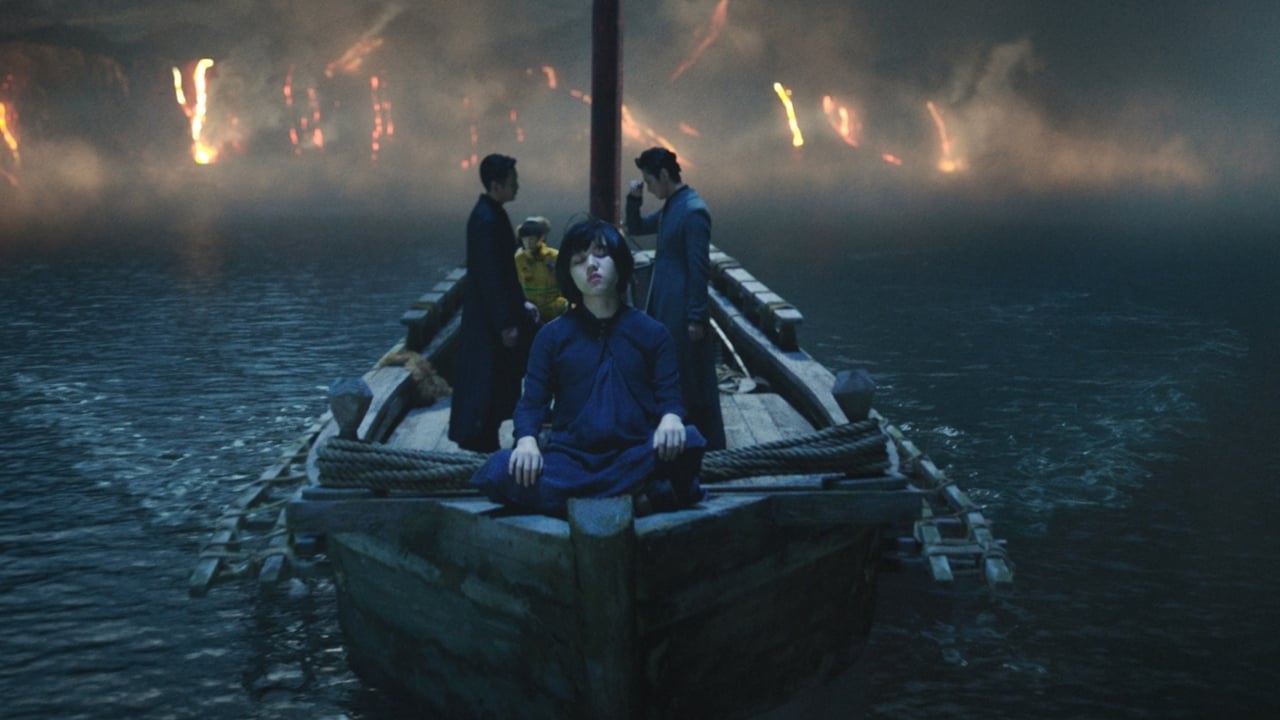
For a movie from 2017, the CGI holds up remarkably well in 2026. Each realm has a distinct palette and 'boss fight' energy. It’s the kind of movie that demands the biggest screen in your house. If your kids enjoyed the high-fantasy world-building of things like Avatar: The Last Airbender or even the more serious moments of the MCU, they’ll likely find this fascinating.