The Accidental Educational Philosophy Inside a Party Movie
When Accepted landed in theaters in 2006, critics mostly dismissed it as another loud, juvenile comedy riding the wave of mid-2000s youth movies. Decades later, the film holds up as something far more interesting: a populist critique of standard higher education that predates modern discussions about trade schools, gap years, and alternative learning models.
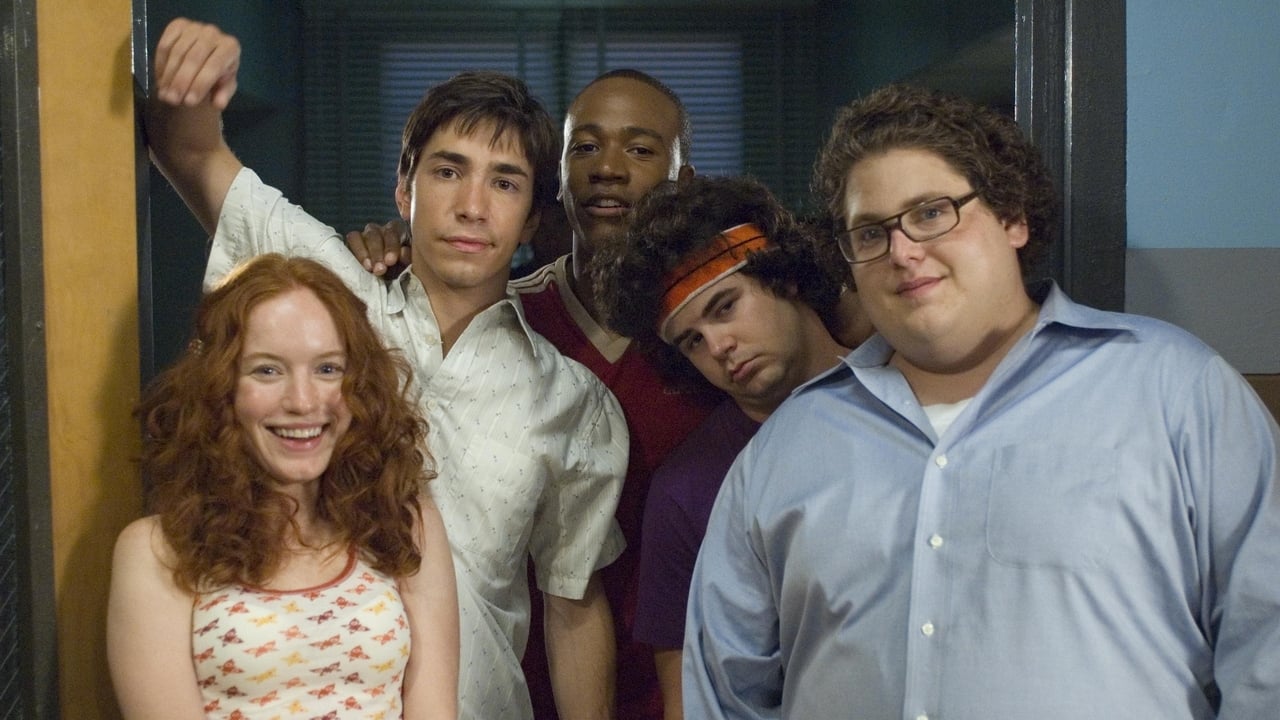
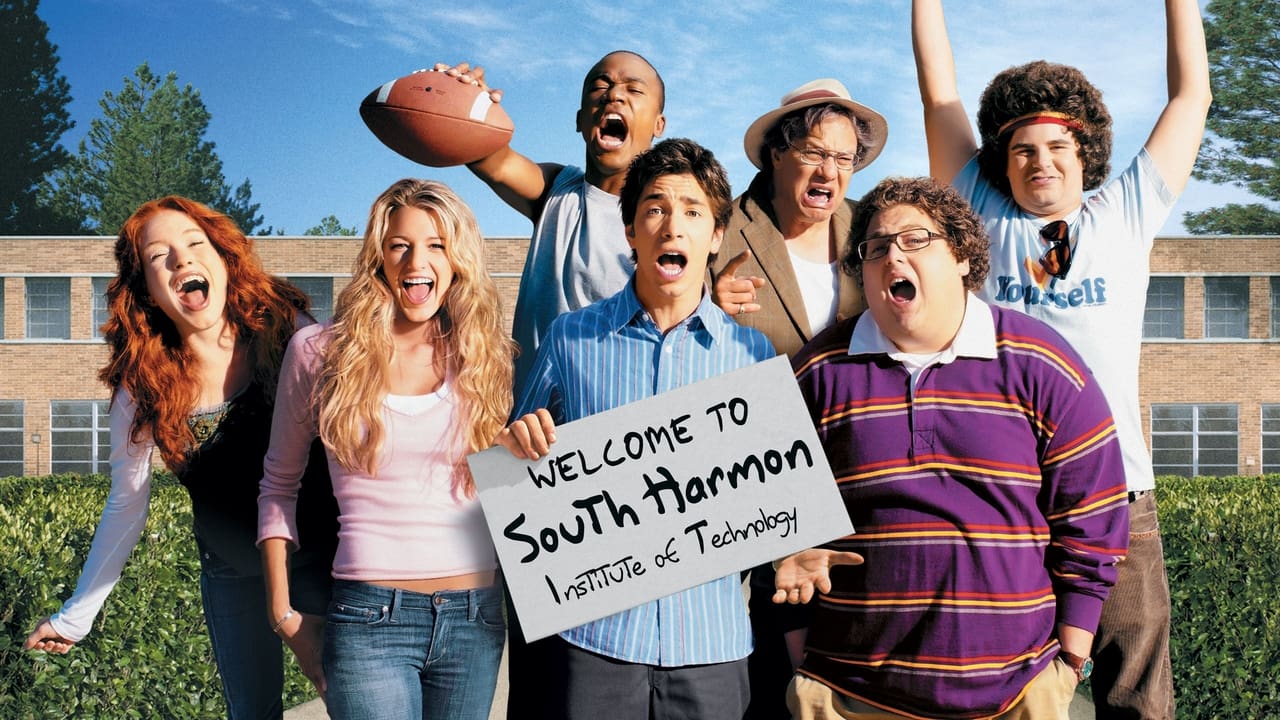
Justin Long plays Bartleby Gaines, a high school senior with an impressive talent for making fake IDs but zero college acceptance letters. Facing his parents' deep disappointment, he rents a dilapidated psychiatric hospital, launches a fake website for the "South Harmon Institute of Technology," and creates a functional shell to buy himself time. The hitch comes when his web form automatically accepts every applicant who clicks the button, leaving hundreds of rejected, desperate high schoolers standing on the lawn with tuition checks.
Rather than turning them away, Bartleby asks them a simple question: What do you actually want to learn? What follows is a chaotic experiment in student-led curriculum where kids build ramp courses, learn sculpture, analyze psychology, and organize their own education.
What Parents Should Keep in Mind
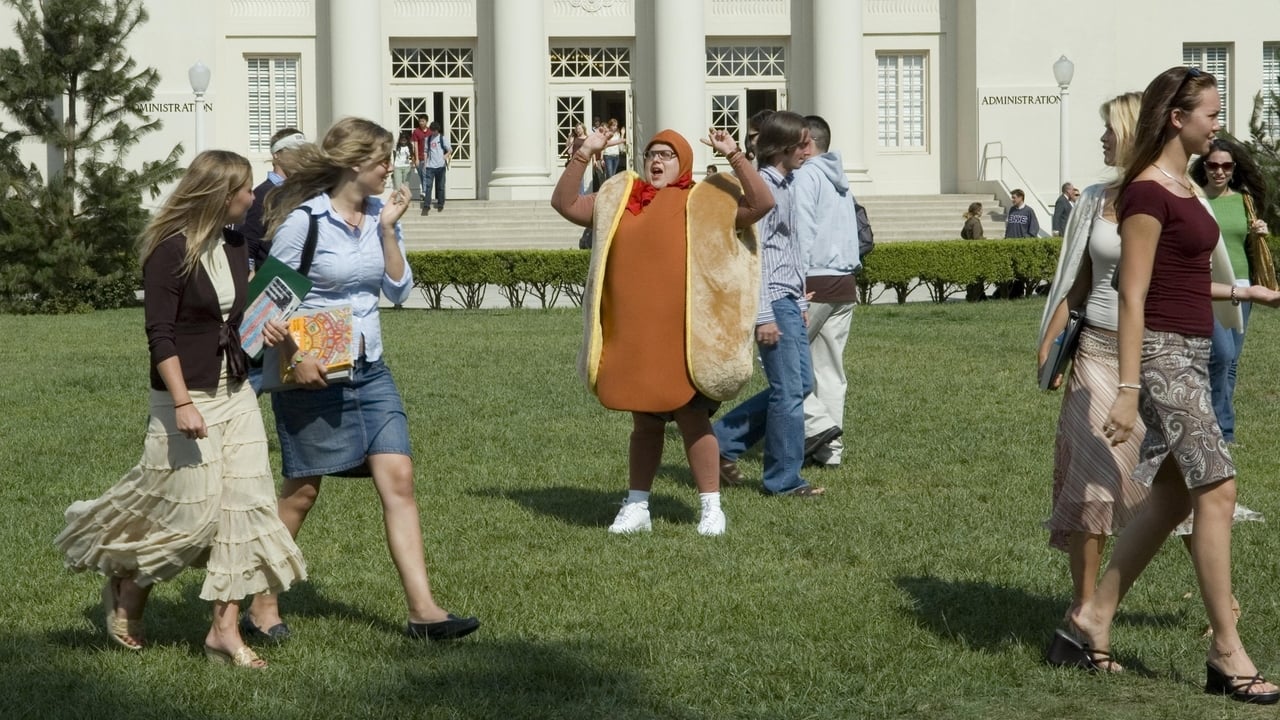
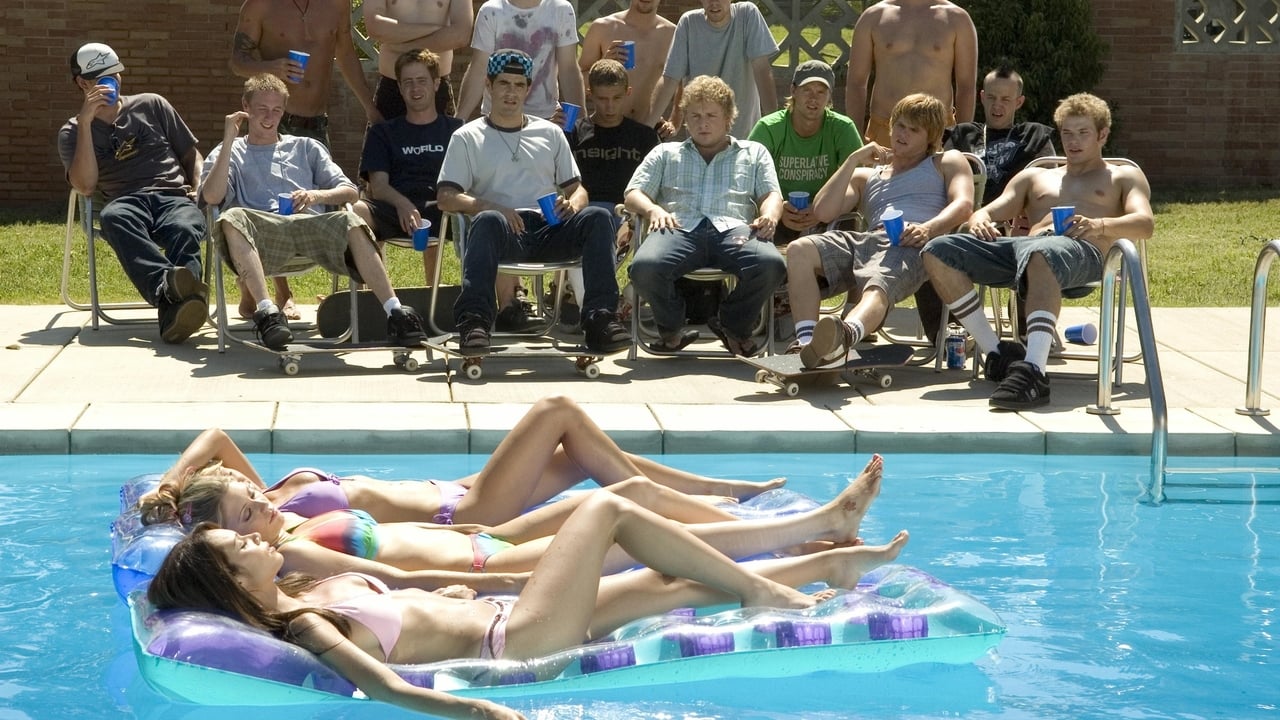
The delivery system for this message is pure 2006 comedy. It carries a PG-13 rating, but it leans heavily toward the raunchier side of that line. You will encounter standard party scenes, constant alcohol use, bikinis, crude language, and sexual references. The main characters are also blatantly committing wire fraud for a good portion of the runtime.
If your teenager is entering the high school pressure cooker—where test scores and college resume padding start eating up every weekend—Accepted is a great, low-stakes release valve. It starts useful conversations about why kids go to college in the first place and whether prestige matters as much as actual curiosity.