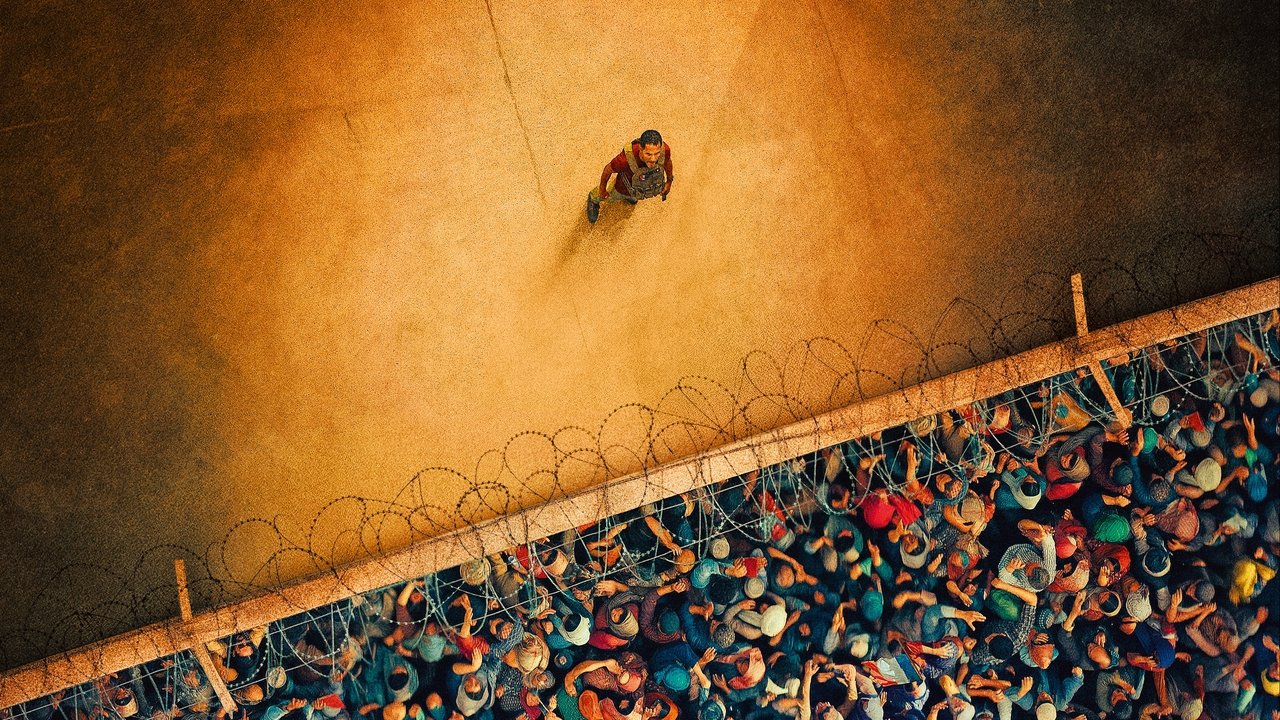
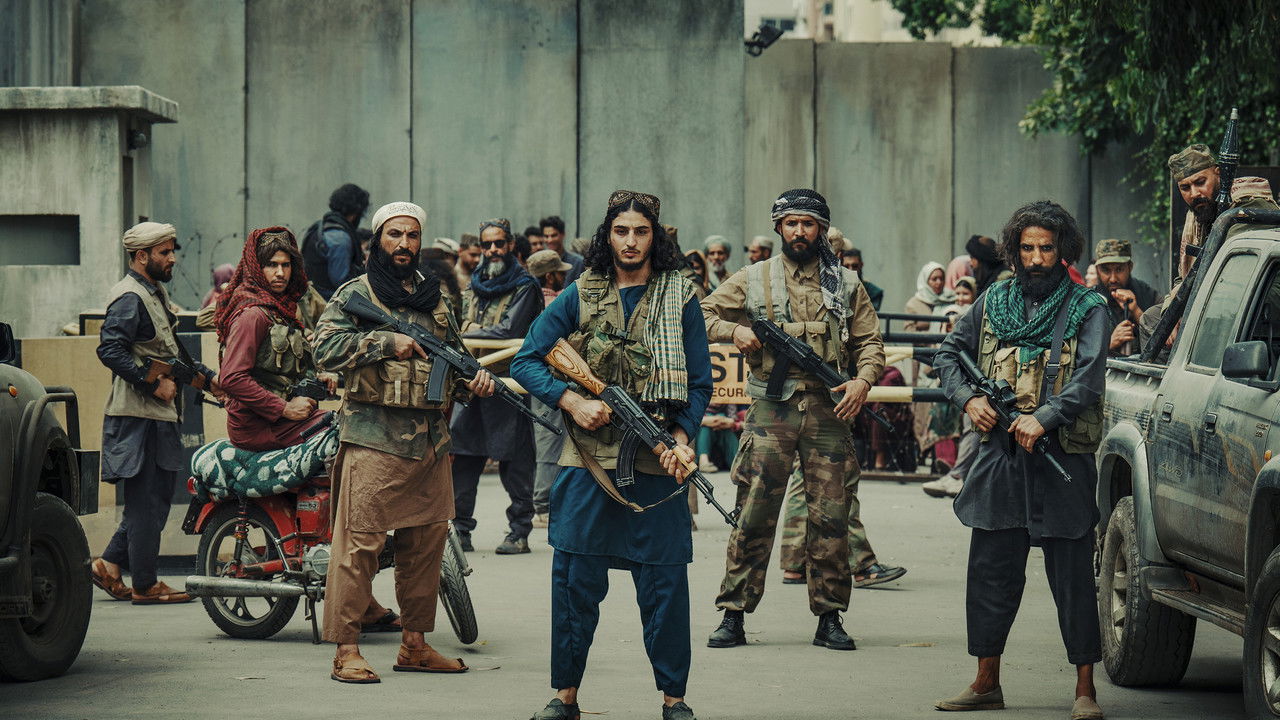
If you’re expecting a high-octane rescue mission where the protagonists shoot their way through a city, you’re going to be disappointed. This is a movie about the anxiety of waiting. It’s about the bureaucracy of survival. Most of the 111-minute runtime is spent watching Mohamed Bida and his team navigate the impossible logistics of moving 500 people through a city that is actively collapsing. It’s a pressure cooker.
The "anti-action" war movie
The film works because it doesn't try to be a superhero story. It’s gritty, sweaty, and intentionally claustrophobic. If your teen is used to the clean, choreographed violence of a typical blockbuster, this will be a wake-up call. The "action" here is often just a tense conversation at a checkpoint where one wrong word means the end of the mission.
It captures the specific, frantic energy of August 2021 without the benefit of hindsight. The characters don't know how this ends, and the handheld camera work makes sure you feel that uncertainty. It’s less about the "glory" of war and more about the exhaustion of trying to maintain a shred of humanity when the world is falling apart.
A different lens on history
Because this is a French production, you’re getting a perspective on the Kabul withdrawal that hasn't been filtered through a Hollywood lens. It focuses on the French embassy’s specific struggle to honor their commitments to local staff and refugees. This makes it an excellent companion piece to the news cycles we all lived through, offering a look at the "other" Western missions that were left in the lurch.
"A perilous mission with no guarantee of success to flee the hell of Kabul and rescue what remains of humanity."
If you are debating if the Kabul evacuation thriller is too intense for your teens, consider their tolerance for sustained dread. There aren't many "breaks" in the tension. It’s a 13-day ordeal condensed into less than two hours, and the pacing reflects that.
Why the subtitles matter
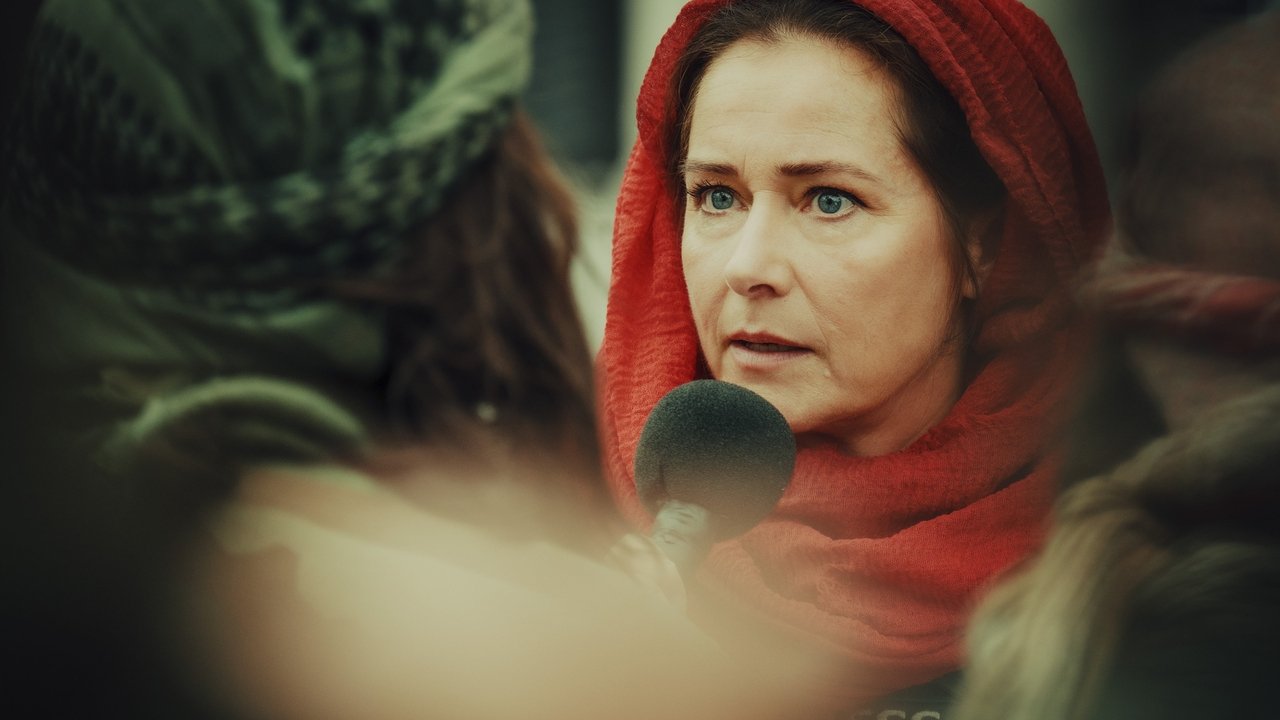
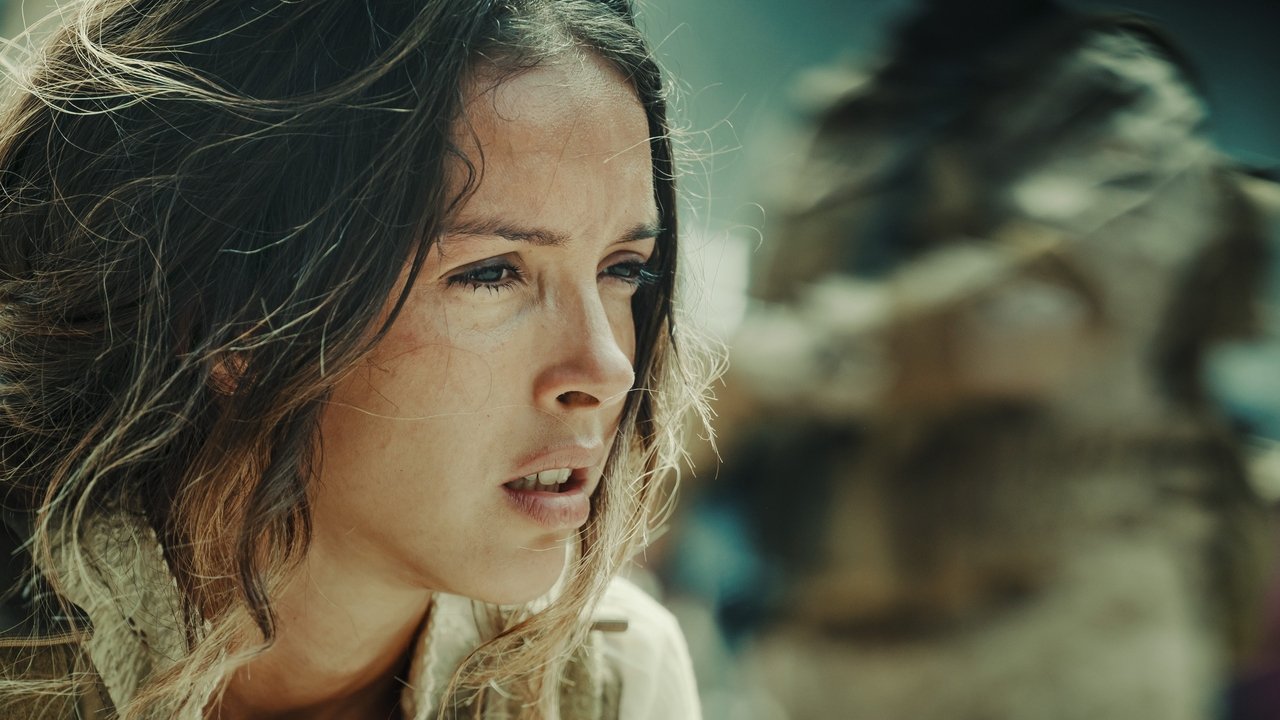
For some kids, the French and Dari dialogue might be a barrier, but it’s actually the movie’s secret weapon. It forces you to pay attention to the nuance of the negotiations. You can’t scroll on your phone and follow this plot. You have to watch the faces of the soldiers and the civilians to understand the stakes.
If your kid liked Argo but found it a little too "movie-ish," this is the logical next step. It’s more cynical, more realistic, and ultimately more rewarding for a viewer who wants to understand the messy reality of modern geopolitics. It doesn't offer easy answers or a triumphant ending, which is exactly why it’s worth watching.