

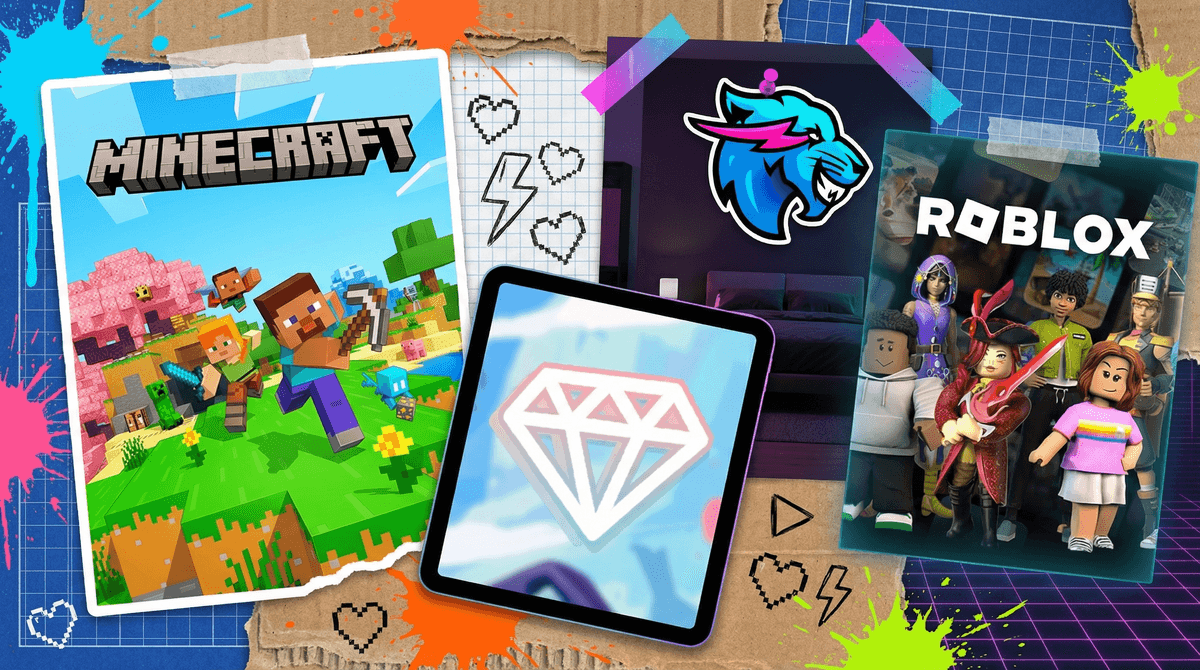
Your kid's probably watching them right now. Gaming YouTube channels are content creators who record themselves playing video games, reacting to gaming news, creating challenges, or building elaborate worlds in games like Minecraft and Roblox.
These aren't just "let's plays" anymore. Today's gaming YouTubers are full-on entertainment empires—think comedy sketches, massive production budgets, elaborate storylines, and merch lines that rival actual celebrities. MrBeast Gaming has 47 million subscribers. That's more than the population of Canada.
The landscape has evolved significantly from the early days of PewDiePie screaming at horror games (though he's still around with 111 million subscribers). Now you've got family-friendly creators, educational gaming channels, speedrunners, and everything in between.
Here's the thing: watching someone play a game is actually not that different from watching sports. Kids aren't just passively consuming—they're learning strategies, discovering new games, enjoying the personality of the creator, and feeling part of a community.
The parasocial relationship is real. These YouTubers talk directly to the camera, respond to comments, and create inside jokes with their audience. Your 10-year-old genuinely feels like they know DanTDM or Aphmau, even though they've never met.
It's also aspirational. A lot of kids watch gaming channels because they dream of becoming YouTubers themselves. They're studying the format, the editing, the commentary style. Some are even creating their own channels (which is a whole other conversation about digital footprints and online safety).
And honestly? Some of it is legitimately entertaining. Channels like MrBeast Gaming create elaborate challenges with high production value. It's basically reality TV for Gen Alpha.
Not all gaming channels are created equal. Here's what you're actually dealing with:
The Family-Friendly Tier
Creators like DanTDM, Aphmau, and PrestonPlayz keep it clean. Minimal swearing, no adult themes, and content that's genuinely appropriate for elementary schoolers. These channels often focus on Minecraft, Roblox, and other games popular with younger kids.
The Tween/Teen Territory
Channels like Jelly, SSundee, and LazarBeam push the boundaries a bit more. You'll hear occasional mild language, more intense game content (shooters, horror games), and humor that skews older. Think ages 10-14.
The Definitely-Not-For-Kids Zone
PewDiePie, Markiplier, Jacksepticeye—these are technically gaming channels, but they're made for adults or older teens. Frequent swearing, mature game content, and adult humor. If your 8-year-old is watching these, it's worth a conversation.
The Actually Educational Ones
Yes, they exist! Channels like Game Theory and Polygon offer deeper dives into game design, storytelling, and the culture around gaming. These can actually be pretty enriching for kids interested in how games are made.
Let's be real about the concerns:
The language. Even "family-friendly" channels occasionally let a "crap" or "hell" slip. Decide what your family's comfortable with, but know that perfectly clean content is rare once you get past the preschool tier.
The ads and sponsorships. Gaming YouTubers make money through ads, sponsorships, and affiliate links. Your kid is absolutely being marketed to, often in ways that don't feel like traditional advertising. Learn more about how YouTube monetization works and affects kids .
.
The comment sections. YouTube comments are a cesspool. Full stop. If your kid is watching on their own device, they have access to comments—which can include spoilers, scams, inappropriate content, and just general internet toxiness.
The rabbit hole effect. YouTube's algorithm is designed to keep people watching. One MrBeast video can lead to 47 more, and suddenly three hours have disappeared. Autoplay is not your friend.
The Robux/V-Bucks pressure. Many gaming channels showcase expensive in-game items, creating serious FOMO. Your kid watching someone with $1000 worth of Fortnite skins is like them scrolling through luxury car Instagram—it creates desire for things they don't need.
Ages 5-8: Stick with channels you've personally vetted. Watch together. Look for creators who explicitly market themselves as "kid-friendly" and actually deliver. Consider using YouTube Kids which has better (though not perfect) filtering.
Ages 9-12: You can probably give more independence, but check in regularly on what they're watching. Watch a few videos from their favorite channels. Talk about the difference between entertainment and advertising. Set time limits because the algorithm is designed to be addictive.
Ages 13+: They're likely watching more mature content, and that's developmentally appropriate. But you can still talk about media literacy, parasocial relationships, and how YouTubers make money. Also, this is prime age for them wanting to become YouTubers—whole separate conversation there.
Watch with them. I know, I know. But watching a few videos together gives you context for their references and shows them you're interested in their interests.
Use YouTube's parental controls. You can disable comments, restrict content, and set time limits through YouTube's settings or through Google Family Link.
Talk about the business model. Help them understand that YouTubers are entertainers running a business. That "free" content is funded by ads and sponsorships designed to sell them stuff.
Create a "approved channels" list. For younger kids especially, you can subscribe to channels you've vetted and have them only watch from their subscriptions.
Set boundaries around screen time. Gaming videos can be a black hole. Use timers, have device-free zones, and be consistent about when YouTube time ends.
Gaming YouTube isn't inherently good or bad—it's a medium, like TV or books. The quality varies wildly. Some channels are genuinely creative and entertaining. Others are basically junk food for your kid's brain.
Your job isn't to ban all gaming content (good luck with that anyway). It's to help your kid develop media literacy, set reasonable boundaries, and understand what they're actually consuming.
And hey, if you find yourself genuinely laughing at a MrBeast challenge video? That's okay too. Some of this stuff is actually pretty good.
Want to dive deeper? Check out our guides on Minecraft YouTube channels, Roblox content creators, or how to set up YouTube parental controls.