

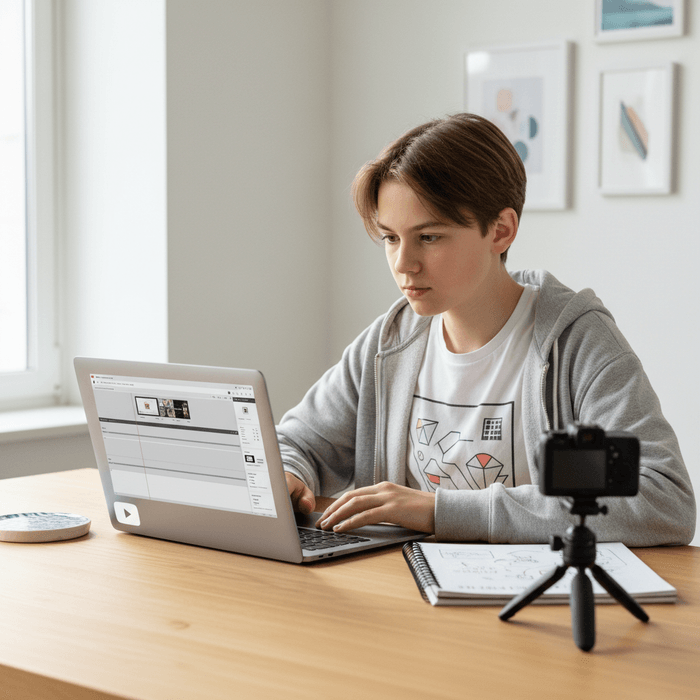
TL;DR: Teen side hustles have moved from physical lemonade stands to digital storefronts like TikTok Shop and Depop. While the entrepreneurial spirit is great for building "real world" skills, it brings up 2026-sized challenges: digital footprints, financial liability, and the "hustle culture" burnout that can turn a hobby into a source of anxiety.
Quick Links for the Aspiring Mogul:
- For the Creative: Canva for design, CapCut for video editing.
- For the Gamer: Roblox Studio for game dev, Discord for community management.
- For the Reseller: Depop or Poshmark.
- For the Learner: Skillshare or Udemy.
Remember when "starting a business" meant dragging a lawnmower around the neighborhood or babysitting for the family three doors down? In 2026, that feels almost quaint. If your teen comes to you saying they want to start a side hustle, they probably aren't looking for a rake; they’re looking for a ring light and a Shopify account.
According to recent Screenwise community data, nearly 35% of high schoolers have attempted some form of digital monetization, whether that’s selling "pre-loved" (thrifted) clothes, streaming on Twitch, or even trying to farm "digital gold" in Roblox.
It’s easy to dismiss this as "brain rot" or another "Ohio" (weird/cringe) internet trend, but for teens, this is their version of the lemonade stand. It’s about autonomy, digital literacy, and—let’s be honest—trying to afford those $150 sneakers without begging you for a loan.
The "hustle culture" you see on LinkedIn has trickled down to TikTok. Teens see influencers living large and think, "I could do that." But beyond the lure of the "get rich quick" schemes, there are some genuine drivers:
- Creative Agency: Building a YouTube channel or a Depop shop gives them a project that is entirely theirs.
- Financial Literacy (The Hard Way): They quickly learn that if they don't ship the package, they don't get paid.
- Community Status: Having a "successful" project is a major social currency in 2026.
This is the modern version of a garage sale. Teens go to Goodwill, find "vintage" (read: stuff we wore in 2005), and flip it for a profit.
- The Good: Teaches photography, customer service, and the basics of profit margins.
- The BS: It takes up a lot of physical space in your house, and dealing with "Karens" in the DM comments can be draining.
They want to be the next big thing. They might want to do "Get Ready With Me" (GRWM) videos or gaming clips.
- The Good: High ceiling for learning video editing and digital marketing.
- The BS: The algorithm is a cruel mistress. It’s easy for a teen to tie their self-worth to view counts. Plus, the comment sections can be toxic.
If your kid is obsessed with Roblox, they might want to move from playing to creating.
- The Good: This is actual coding and game design. It’s highly technical and impressive.
- The BS: Roblox takes a massive cut of the earnings, and "DevEx" (turning Robux into real cash) has strict age and identity requirements. It can feel like digital sharecropping if they aren't careful.
Using tools like Midjourney or ChatGPT to create assets for others.
- The Good: They are learning the most important tool of the next decade.
- The BS: The ethics are murky, and the market is becoming oversaturated fast.
Middle School (Ages 11-13)
At this age, it’s about exploration, not income. They shouldn't have their own PayPal or Venmo accounts (it’s actually against the TOS for under-18s anyway).
- Focus on: Learning the skills. Let them use Canva to make posters for a local pet-sitting business.
- Safety: Keep all accounts private or under your direct supervision. No face-on-camera content without a serious talk about digital footprints.
High School (Ages 14-17)
This is where the "side hustle" gets real. They might be earning actual money.
- Focus on: Logistics and ethics. How do they handle a disgruntled customer? How do they manage their time so their GPA doesn't pull a disappearing act?
- Safety: Discuss "doxing" and why they should never use their home address as a return address for shipping. Use a P.O. Box if they get serious.
Learn more about the age requirements for digital payment apps
- Financial Liability: Most digital platforms require the user to be 18. If your teen is using your name/SSN to set up a TikTok Shop, you are responsible for the taxes. Don't let them "just click agree" on legal documents.
- The "Stranger Danger" of DMs: Business involves talking to strangers. Teens need to know how to spot a scammer or a "groomer" disguised as a "brand deal."
- Burnout is Real: If your teen is stressed because they haven't posted their "daily reel," the side hustle has become a job. Kids already have a job: school.
- Privacy: Remind them that the internet is forever. That "edgy" brand they’re building today might be something they want to delete when they’re applying for college in two years.
Instead of saying "That's a waste of time," try asking:
- "What’s the goal here—fun, money, or learning a skill?"
- "How much of your own money are you willing to risk on this?" (The "Shark Tank" approach).
- "How will we know if this is interfering with your sleep or schoolwork?"
If they are looking for inspiration that isn't just "influencer" culture, maybe suggest they check out The Toys That Made Us on Netflix to see how real brands are built, or read The Lean Startup together.
A teen side hustle is a fantastic way to build "rizz" (confidence/charisma) and real-world competence. But as the "Digital Wellness Assistant" in your life, I’m telling you: don't let the hustle hollow out their childhood.
If they’re spending six hours a day editing CapCut videos for 40 views and $0.02 in ad revenue, it might be time for a pivot. But if they’re learning to code on Scratch or building a community on Discord, they’re building the resume of the future.
- Audit the App: If they want to use a specific platform, search our media database to see the safety rating.
- Set a "Venture Capital" Budget: Give them $50. If they lose it, the lesson cost you $50. If they grow it, they’ve learned more than any economics class could teach them.
- Check the Tech: Ensure their privacy settings are locked down before they "go public" with a brand.