

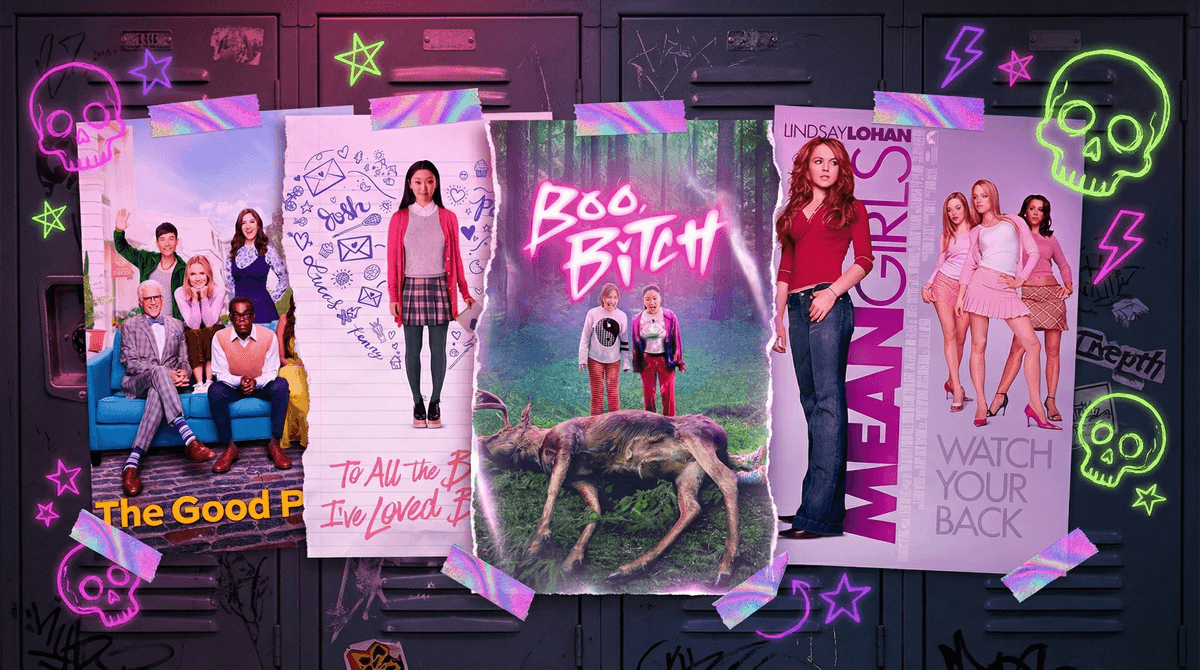
Boo, Bitch is a 2022 Netflix limited series (just 4 episodes, about 30 minutes each) that follows Erika Vu, a high school senior who's spent her entire life being invisible. After a wild night out before graduation, she wakes up to discover she's literally a ghost—and suddenly everyone can see her. It's basically a supernatural coming-of-age story meets high school comedy with a ticking clock: Erika has limited time to make her mark before she disappears forever.
The show stars Lana Condor (from To All the Boys I've Loved Before) and has that glossy Netflix teen production quality. Think less Supernatural horror and more Mean Girls meets The Good Place.
Here's the thing about the title: Yes, it's literally called "Boo, Bitch." Netflix is not subtle. The title is both a ghost pun and reclaiming language that teens already use. If you're clutching your pearls about the name alone, this show probably isn't for your household—but let's talk about what's actually in it.
Netflix rates Boo, Bitch as TV-14, which means it's intended for audiences 14 and older. The content warnings include:
- Language (this is the big one)
- Sexual references and innuendo
- Alcohol and drug references
- Mature themes
TV-14 is Netflix's way of saying "this is aimed at high schoolers, not middle schoolers." For context, that's the same rating as shows like Stranger Things and Never Have I Ever.
The Language Situation
Let's not dance around it: this show has a lot of swearing. We're talking frequent use of "bitch," "shit," "ass," and "damn." There's also some sexual language and crude humor. The title isn't an outlier—it sets the tone for how characters talk throughout.
If you have a zero-tolerance policy for profanity, this isn't the show for your family. If you're more in the "they hear it at school anyway" camp, it's still worth previewing to decide if it matches your household standards.
Sexual Content and References
There's no explicit sexual content, but there are plenty of innuendos, references to hookups, and discussions about sex. Characters talk about losing their virginity, there's kissing, and some suggestive situations. One subplot involves a character trying to have sex before graduation.
It's handled more comedically than graphically, but it's definitely present and treated as a normal part of the high school experience these characters are navigating.
Substance Use
Characters attend parties where there's drinking and references to getting high. A key plot point involves the main character getting drunk. It's not glorified exactly, but it's also not presented with after-school-special consequences. It's more... matter-of-fact about teen party culture.
Themes Worth Discussing
Beyond the content warnings, the show actually tackles some genuinely meaningful themes:
- Invisibility and social anxiety - Erika's literal ghosthood is a metaphor for feeling unseen
- Friendship dynamics - The relationship between Erika and her best friend is central
- Identity and authenticity - Finding your voice and being yourself
- Mortality and legacy - What mark do you want to leave on the world?
These are thoughtful threads, even if they're wrapped in profanity and party scenes.
The show is only 2 hours total, which makes it an easy binge. It's got that aspirational high school aesthetic that Netflix does well—beautiful people, gorgeous cinematography, emotional moments that feel big and important.
For teens dealing with social anxiety or feeling overlooked, Erika's journey is genuinely relatable. The ghost premise is just a heightened way to explore very real feelings about wanting to matter, wanting to be seen, wanting to make the most of your time.
Plus, Lana Condor is likable and the show has genuine heart underneath the crude humor. It's not just shock value—there's actually a story here about friendship, courage, and figuring out who you are.
For 13 and under: This is probably a pass. The language alone puts it outside most family comfort zones for this age group, and the sexual references and party culture are aimed at an older audience.
For 14-15 year olds: This is the target demographic, but it really depends on your teen's maturity level and your family's media boundaries. If they're already watching shows like Euphoria (which is way more intense), this will seem tame. If they're still watching The Baby-Sitters Club, this is a big jump.
For 16+: Most teens in this range can handle the content. The themes might actually resonate more with older teens who are closer to graduation and thinking about their own legacy and friendships.
If you're on the fence, watch the first episode yourself before deciding. At 30 minutes, it's a small time investment and you'll know immediately if it matches your family's values.
If you do watch together, it could actually spark some good conversations:
- "Do you ever feel invisible like Erika?"
- "What would you do if you only had a limited time to make your mark?"
- "How do you think the show portrays friendship? Does it feel realistic?"
The language might make co-viewing awkward (teens don't always want to hear "bitch" sitting next to their parents), but the themes are worth discussing.
Boo, Bitch is a solidly TV-14 show that earns its rating through language, sexual references, and party culture. It's not trying to be edgy for edgy's sake—this is how many teens actually talk and what high school social life looks like for a lot of kids.
The show itself is fine—not groundbreaking television, but a sweet, funny, occasionally touching story about friendship and finding yourself. Whether it's fine for your teen depends entirely on your family's boundaries around language and mature themes.
If you're looking for something in a similar vein but gentler, try The Baby-Sitters Club or Heartstopper. If your teen can handle this content level and you want something with more substance, Never Have I Ever or Sex Education might be better bets.
Trust your gut, know your kid, and don't let the title alone make the decision for you—but also don't ignore what that title is telling you about the show's tone.