

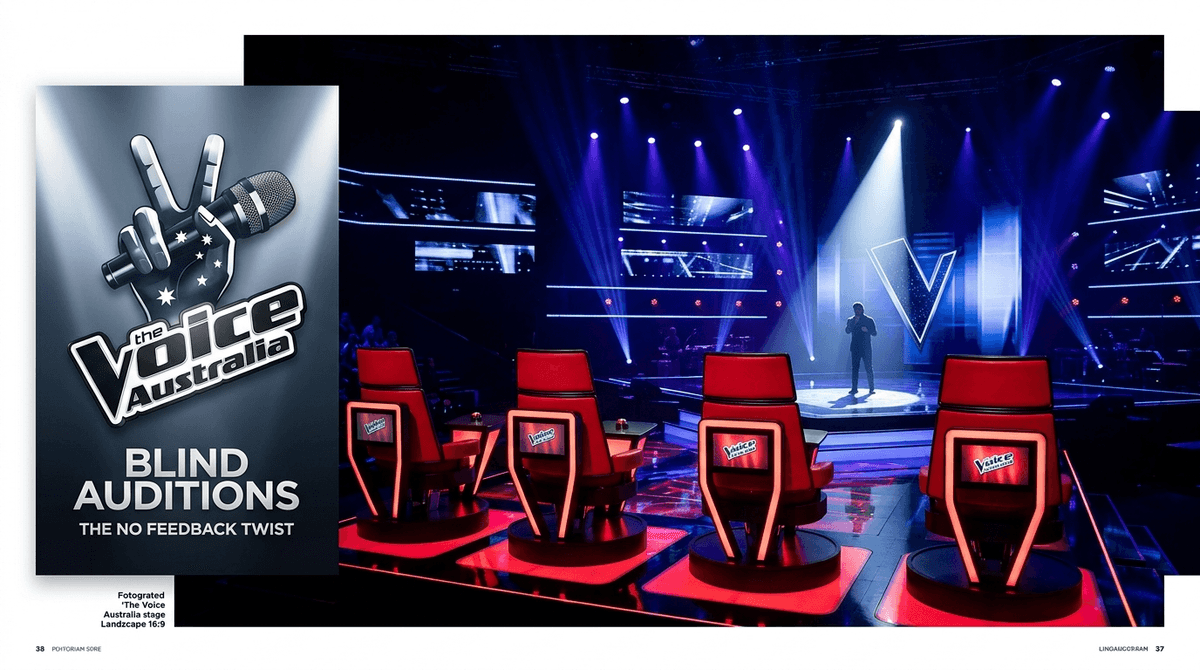
Season 15 of The Voice Australia is set to be the most emotionally taxing version of the show yet, primarily because it’s ditching the "everyone gets a participation trophy" vibe for something much colder. While the addition of Tones and I to the coaching panel brings some fresh, self-made energy, the real headline for parents is the new "no feedback" rule for rejected singers—if no chairs turn, the singer walks off in total silence. It’s a pivot from the show’s historically supportive tone, and if your kid is a sensitive viewer or an aspiring performer, you’ll want to be ready to talk about the difference between a "no" and a "not yet."
TL;DR: The Voice Australia returns in 2026 with a five-chair panel and a brutal new twist where unsuccessful auditionees receive zero feedback from coaches. It remains a high-quality, talent-first alternative to messier reality TV, but the new rule adds a layer of professional reality that might feel harsh to younger fans. For more family-friendly viewing options, check out our best shows for kids list.
The big news for Season 15 is Tones and I taking the fifth chair. If your kids have been anywhere near a radio or a school dance in the last few years, they know "Dance Monkey," but her presence on the panel is more interesting than just a hit-maker showing up. Tones and I started as a busker in Byron Bay, and from the early promos, it looks like she’s bringing that "I built this from the pavement up" perspective to the show.
Unlike some legacy pop stars who’ve been in the machine since they were kids, she has a very specific, modern roadmap for success that resonates with Gen Z. She isn't there to play the "diva" role; she’s there as the person who knows what it’s like when people walk past you without looking. Expect her to be the coach who focuses on songwriting and original "vibe" over just hitting the high notes.
Historically, The Voice has been the "nice" talent show. Even when a singer flopped, the coaches would turn around anyway, give them a hug, and offer three minutes of "you’re so brave, just keep practicing."
Season 15 is reportedly ending that. Under the new "no feedback" rule, if no one hits their button, the coaches stay facing the audience. The singer finishes, the lights go down, and they walk off. No "thanks for coming," no "pick a better song next time." Just silence.
For an intentional parent, this is the part to watch. It’s not "mean" in the way Australian Idol used to be mean—there’s no Simon Cowell-style mocking of the performers. But silence can feel heavier than criticism. If your kid is watching, this is the perfect setup to talk about the reality of the creative industries. Rejection isn't always a conversation; sometimes it’s just a closed door.
Even with the new twist, The Voice Australia remains miles ahead of shows like Married at First Sight or even the more dramatic edits of Australian Idol. The focus stays on the craft. You aren't going to see "villain edits" or manufactured catfights between the coaches.
The content remains very family-friendly:
- Language: Generally clean, though you’ll get the occasional "hell" or "damn" in a song lyric or a coach's excitement.
- Wardrobe: It’s a pop music show, so expect some stage outfits that lean into "performance wear," but it rarely crosses into anything parents would find concerning.
- The "Sob Story": The show still leans heavily into the backstories. Expect a lot of segments about overcoming illness, honoring late parents, or small-town kids making it big. It’s sentimental, but it’s the kind of emotional weight that’s actually useful for kids to see.
If your kid is obsessed with the show, don't just let the credits roll and move on. The "no feedback" rule is a gift for a parent who wants to build some resilience in their kid.
Ask them: "What do you think that singer is thinking right now?" When someone gets rejected in silence, it’s a great time to discuss how we handle the "no" when we don't get an explanation. It’s a masterclass in internal validation. If the coaches didn't turn, does that mean the singer was bad, or just that they weren't what the coaches needed for their specific team?
If they love the competitive singing aspect but want something with a slightly younger focus, you can always look back at The Voice Kids, though the main series is generally appropriate for most elementary-aged kids and up.
The hardest part of The Voice Australia isn't the content—it's the schedule. These shows are designed to eat your evenings. If you’re trying to keep a strict bedtime, the "Live" rounds are your enemy. They run long, they have frequent ad breaks, and the results are always teased until the very last second.
Pro-tip: Record it or watch it on 7plus the next day. You can skip the fluff, fast-forward through the "we’ll find out after the break" cliffhangers, and get the whole experience in 45 minutes instead of two hours. It keeps the "brain rot" factor low and the focus on the talent.
Q: Is The Voice Australia 2026 okay for an 8-year-old?
Yes. It’s one of the most wholesome reality shows on TV. The biggest risk is your kid wanting to stay up late to see who gets through. The new "no feedback" rule might require a quick chat about how the singer is feeling, but it’s not inappropriate.
Q: Who are the coaches for Season 15?
The 2026 season features a five-chair panel including newcomer Tones and I. The rest of the panel usually consists of a mix of returning favorites and international stars—expect the usual high-energy, supportive-but-competitive dynamic.
Q: What is the "no feedback" rule?
In Season 15, if a coach doesn't turn their chair for a singer, they do not turn around at all after the performance. The singer leaves the stage without any comments or encouragement from the panel.
The Voice Australia is still the gold standard for talent-based reality TV. It’s aspirational, it’s high-production, and it celebrates skill over drama. The 2026 "no feedback" twist adds a bit of a sting, but for an intentional family, that sting is just a starting point for a better conversation about the real world.
