

The King's Man: What the R Rating Really Means for Your Teen
TL;DR: The King's Man earned its R rating through brutal WWI-era violence, several F-bombs, and some sexual content. If your teen handled 1917 or Kingsman: The Secret Service, they can probably handle this. But the historical violence here is more disturbing than the cartoonish spy action of the original films. Ages 15+ is the sweet spot, though mature 13-14 year olds who are already into war history might be okay with parental guidance.
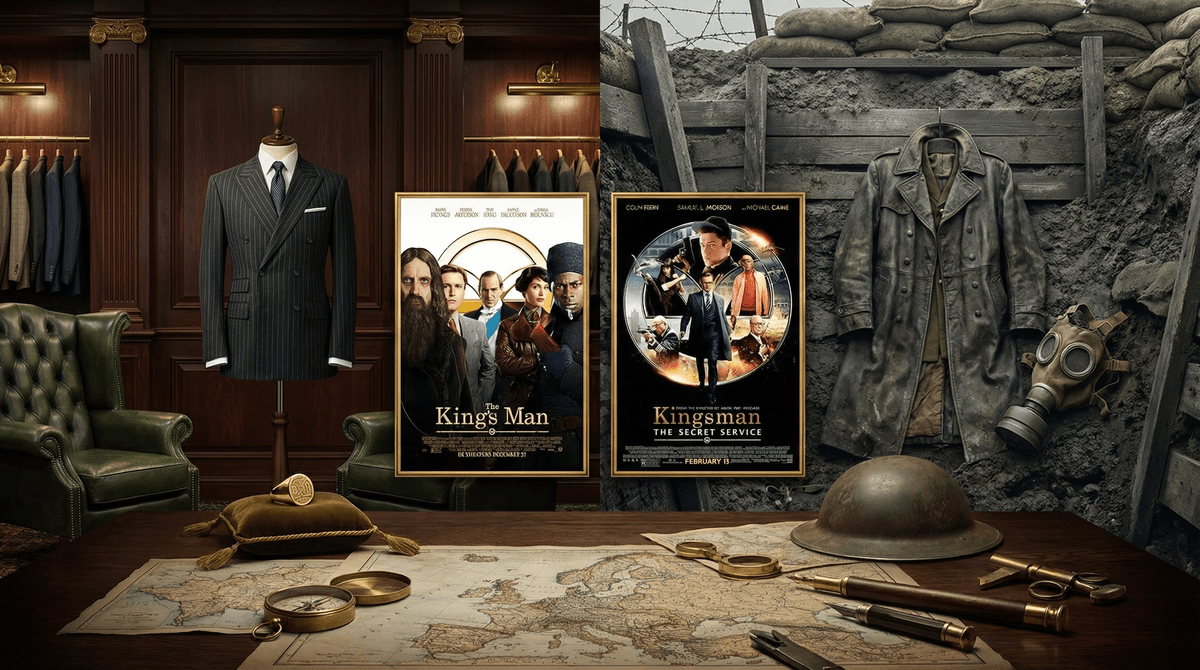
This 2021 prequel to the Kingsman franchise takes us back to WWI to show how the ultra-sophisticated spy organization was founded. Instead of Colin Firth doing umbrella fights, we've got Ralph Fiennes as a British duke trying to stop a shadowy conspiracy from manipulating world leaders into war while protecting his son from the horrors of combat.
The movie ditches most of the over-the-top comic book style of Kingsman: The Secret Service and Kingsman: The Golden Circle for something grittier and more grounded in actual history. Which means the violence hits differently.
The Violence (This Is The Big One)
The MPAA rated this R for "sequences of strong/bloody violence, language and some sexual material." Let's be specific about what that means:
War combat scenes include trench warfare, hand-to-hand combat with knives and bayonets, soldiers getting shot and stabbed, poison gas attacks, and people dying in ways that feel historically accurate rather than stylized. There's blood, but it's not gratuitous gore for shock value—it's the reality of WWI.
The fight choreography still has that Kingsman flair (one sequence set to classical music, long tracking shots), but people die in brutal ways. A character gets decapitated. Another falls into plane propellers. There's a disturbing sequence involving Rasputin (yes, that Rasputin) that includes sexual overtones mixed with violence.
The emotional violence might actually be harder for some teens than the physical stuff. A major character death happens early and drives the whole plot. The movie explores grief, PTSD, and the psychological cost of war in ways that Captain America: The First Avenger definitely didn't.
If your teen has watched Saving Private Ryan or Dunkirk in history class, this is in that ballpark—though less intense than Saving Private Ryan's opening.
The Language
There are about 5-7 F-words scattered throughout the film, plus other strong language (s-words, British profanity). It's not constant, but it's there. The original Kingsman movies were much more profane, for context.
The Sexual Content
This is relatively minimal but worth mentioning:
- The Rasputin sequence includes him licking a wound on someone's leg in a way that's... uncomfortable and has sexual undertones
- Some innuendo and suggestive dialogue
- Brief partial nudity (nothing explicit)
- Historical references to the affairs of certain political figures
Nothing graphic, but definitely not Disney.
Substance Use
Period-appropriate drinking (it's British aristocrats in the 1910s, so yes, there's whiskey). Some characters smoke. The "drugs" are mostly historical—there's a reference to Rasputin's rumored healing abilities and mysticism.
The King's Man is MORE intense than the original films in terms of emotional weight, LESS intense in terms of cartoonish violence.
The first Kingsman: The Secret Service had that infamous church massacre scene where people's heads explode into colorful fireworks. That was shocking but stylized—clearly not real.
The King's Man's violence feels more real, which makes it more disturbing even when it's less graphic. The stakes feel higher because we're watching people die in a real war, not a comic book scenario.
If your teen has seen the original Kingsman films and you were okay with those, this is a different vibe but not necessarily "worse." Just different.
Ages 15-17: This is the target audience. Teens in this range who are interested in history, spy movies, or the Kingsman franchise will probably appreciate the more serious tone. They're old enough to process the historical context and the anti-war themes.
Ages 13-14: Case by case. Has your teen studied WWI in school? Have they watched other war movies with you? Are they mature enough to handle realistic combat violence and character death? If yes, this could work as a watch-together experience. If they're still firmly in Marvel movie territory, wait a year.
Ages 12 and under: Nope. Even if they've seen Spider-Man or Star Wars, this is a different animal. The historical violence and emotional themes are too heavy.
This is secretly a movie about toxic masculinity and the cost of war. The whole plot revolves around a father trying to protect his son from combat while the son wants to prove his manhood by fighting. It's actually a pretty sophisticated examination of how notions of honor and masculinity fed into WWI's carnage.
The history is... creative. The movie weaves real historical figures (Rasputin, Mata Hari, Woodrow Wilson, King George V) into a fictional conspiracy. If your teen is a history buff, this could spark great conversations about what really happened vs. the movie's version. Or it might drive them nuts. See what is historically accurate in The King's Man .
.
It's slower than the other Kingsman movies. Some teens might find it boring compared to the rapid-fire action of the originals. The pacing is more deliberate, more dramatic. This is not a bad thing, but it's worth knowing if your kid has a short attention span.
The ending sets up the Kingsman organization. If your teen hasn't seen the original films, they might be confused about why certain things matter. Watching order: you can start here (it's a prequel) or watch the originals first. Either works.
If you watch this with your teen, here are some conversation hooks:
- "Why do you think Conrad was so determined to fight even though his father tried to stop him?"
- "How did ideas about honor and masculinity contribute to WWI?"
- "Which historical figures did you recognize? What do you know about them from history class?"
- "How was this different from other war movies you've seen?"
- "Do you think the violence in this movie was necessary to tell the story, or was some of it gratuitous?"
This is actually a pretty rich text for discussions about war, masculinity, duty, and family—if your teen is into that kind of conversation.
If you're looking for spy movies that are less violent, try:
- Spy Kids (PG, ages 8+) - Obviously way younger, but fun family spy action
- Agent Cody Banks (PG, ages 10+) - Teen spy, very tame
- Mission: Impossible - Fallout (PG-13, ages 13+) - Intense but not R-rated
- The Man from U.N.C.L.E. (PG-13, ages 13+) - Stylish Cold War spy action, lighter tone
For WWI content that's less violent, try War Horse (PG-13) or the documentary They Shall Not Grow Old (R for war violence, but educational).
The King's Man earned its R rating honestly. This isn't a case of a PG-13 movie that snuck in one too many F-bombs. The violence is intense, the themes are heavy, and it's specifically designed for older teens and adults.
But it's not gratuitous. The violence serves the story, which is fundamentally about the horror of war and the danger of masculine honor culture. If your 15-17 year old is interested in history, spy movies, or the Kingsman franchise, this is worth watching together.
For younger teens (13-14), use your judgment based on what they've already seen and how they process intense content. Make it a watch-together experience so you can pause for questions or turn it off if it's too much.
And honestly? The fact that this movie makes war look horrifying rather than glorious is actually a point in its favor for teen viewing. Just make sure they're ready for it.
Want to explore more? Check out our guides on age-appropriate war movies or how to talk to teens about violence in media.