

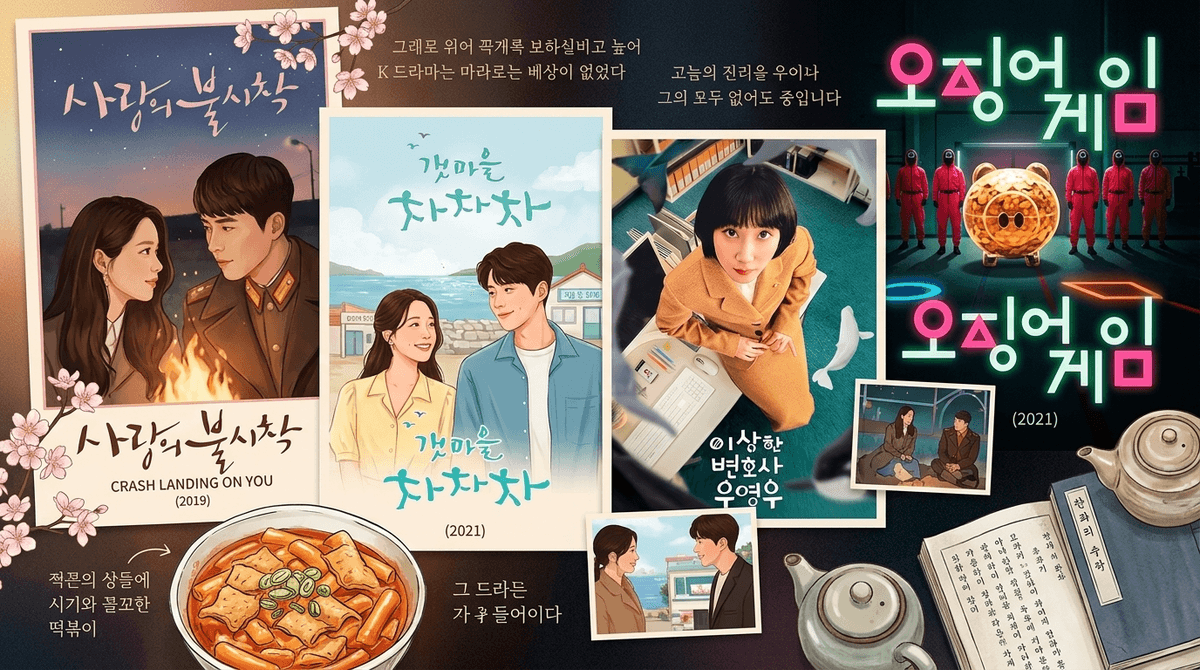
TL;DR: K-Dramas (Korean Dramas) are no longer a niche hobby; they are a massive cultural force on Netflix and TikTok. They range from wholesome, "slow-burn" romances to incredibly violent social commentaries.
- For Tweens (10-12): Stick to light rom-coms like True Beauty or Hometown Cha-Cha-Cha.
- For Teens (13-15): Emotional heavy-hitters like Extraordinary Attorney Woo or Twenty-Five Twenty-One.
- The "Wait Until 17" List: Squid Game, All of Us Are Dead, and The Glory.
If your teen has suddenly started asking for Tteokbokki (spicy rice cakes) or is spending their Friday nights screaming at the TV because two characters almost held hands after 10 hours of screen time, welcome to the world of K-Dramas.
For a lot of parents, the entry point was Squid Game, which... let’s be honest, was a traumatizing introduction to the genre. But K-Dramas are a massive spectrum. They are the "clean girl aesthetic" of television—beautifully shot, emotionally intense, and often much more conservative regarding physical intimacy than Western shows, while being much more intense about social pressure and bullying.
Here is how to navigate the Hallyu (Korean Wave) without your teen ending up in "Ohio" (aka a weird, unregulated corner of the internet) or watching something way above their pay grade.
It’s easy to dismiss this as just another trend, but there’s a reason your teen is hooked.
- The "Slow Burn": In a world of TikTok brain rot and instant gratification, K-Dramas are the ultimate delayed gratification. A couple might not even kiss until episode 11. That tension is addictive for teens navigating their own first crushes.
- High Stakes: Everything in a K-Drama feels like the end of the world. Whether it’s a math test or a love triangle, the emotional volume is turned up to 11.
- Production Value: These shows are gorgeous. The fashion, the food, and the cinematography are top-tier. It’s "aesthetic" personified.
- K-Pop Crossover: Many "Idols" (stars from groups like BTS or Blackpink) act in these shows. If they love the music, they’re going to watch the show.

At this age, you want to avoid the "dark" side of K-Dramas (which often involves extreme school bullying or graphic violence). Stick to the "healing" dramas or light school stories.
This is the quintessential middle school drama. It follows a girl who masters the art of makeup to hide her "ugly" face at a new school. It sounds shallow, but it actually dives deep into self-esteem, the pressure of beauty standards, and finding friends who like you for your "bare face." It’s funny, relatable, and very PG-13.
If you want something you can actually watch with them without wanting to jump out a window, this is it. It’s a "healing" drama about a big-city dentist who moves to a seaside village. It’s cozy, focuses on community, and has zero "brain rot" qualities.
A refreshing break from the "skinny girl" trope. It’s about a college weightlifter finding her first love. It’s hilarious, sweet, and promotes a much healthier body image than most Western teen shows.
Teens can handle more complex themes, and this is where K-Dramas really shine—especially when it comes to neurodiversity and historical context.
This was a global phenomenon for a reason. It follows Woo Young-woo, a brilliant lawyer on the autism spectrum. It’s heartwarming, educational, and handles its subject matter with a lot of grace. It’s a great conversation starter about how different brains work.
A nostalgic "coming of age" story set during the 1998 financial crisis in Korea. It’s about fencing, friendship, and the pain of growing up. Warning: it’s an emotional wrecking ball. If your teen is crying in their room, this show is probably why.
The "gateway" drama. A South Korean heiress accidentally paraglides into North Korea and is hidden by a soldier. It’s high-stakes, romantic, and actually gives a (stylized) look at the cultural differences between North and South Korea.
Korean thrillers do not pull punches. They are often much more graphic than American TV-14 shows.
You know this one. It’s a brutal critique of capitalism. It is very violent. If your 11-year-old is asking to watch it because "everyone at school is," they are likely seeing the "safe" versions on Roblox. The actual show is a hard TV-MA.
Zombies in a high school. It’s incredibly well-done but very gory and includes some pretty dark themes regarding school violence and suicide. Save this for the older teens who have a stomach for horror.
This is a revenge drama about school bullying. In Korea, bullying isn’t just "mean girl" comments; in these shows, it’s depicted as literal torture. It’s a masterpiece, but it’s incredibly dark and potentially triggering.
Here’s the "No-BS" reality: K-Dramas are generally "cleaner" than Euphoria or Gossip Girl when it comes to drugs and sex. However, they have their own set of "red flags" parents should watch for.
The Bullying Factor
School bullying is a massive trope in Korean media. It is often depicted as physical, relentless, and systemic. If your child is sensitive to themes of exclusion or physical violence, check the WISE score for the specific show first.
Mental Health & Suicide
South Korea has high rates of academic pressure, and this is reflected in their shows. Themes of "giving up" or intense academic burnout are common. If your teen is already feeling the heat from school, some of these "high school" dramas might actually add to their stress rather than provide an escape.
Binge-Watching is Built-In
K-Drama episodes are long—usually 60 to 90 minutes. Most series are exactly 16 episodes. This isn't like Bluey where you can watch "just one more." One more means another hour and a half.
If you want to be the "cool, informed parent," here are three things to understand about the K-Drama world:
- Subtitles vs. Dubbing: Most fans insist on subtitles. It’s actually a stealthy way to get your kid to read for 16 hours straight. If they’re watching dubbed versions, they’re missing the linguistic nuances (and the "Oppa" of it all).
- Product Placement (PPL): Korean shows are famous for blatant product placement. If you suddenly see your teen obsessed with a specific brand of instant coffee or a Samsung flip phone, you can thank the show’s sponsors.
- The "Second Lead Syndrome": This is when the "second guy" in a love triangle is clearly better than the main guy, but the girl doesn't pick him. It is a source of genuine grief for teens. Just nod and agree that "he deserved better."
Instead of asking "Why are you watching that show where they just stare at each other?" try these:
- "I heard the school system in Korea is really intense. Does [Show Name] make it look as stressful as it actually is?"
- "I noticed there’s a lot of emphasis on respecting elders in this show. Do you think that’s different from how we act here?"
- "The way they handle bullying in this show is pretty intense. How does that compare to what you see at school?"
K-Dramas are, for the most part, a win for intentional parents. They offer high-quality storytelling, a window into a different culture, and a break from the hyper-sexualized content often found in Western teen media.
Just keep an eye on the "thriller" genre—Korean creators don't do "mild" when it comes to horror or revenge. Stick to the "healing" dramas for the younger crowd, and you might even find yourself sitting down to watch an episode or two. Just don't blame me when you're still awake at 2:00 AM wondering if the dentist and the handyman finally get together.
Next Steps:
- Check your teen's Netflix watch history to see which "flavor" of K-Drama they prefer.
- If they are using Viki, be aware it has a "timed comments" feature where users can chat while watching—it’s mostly harmless but worth a look.
- Take our Screenwise survey to see how your family's media habits compare to your community