

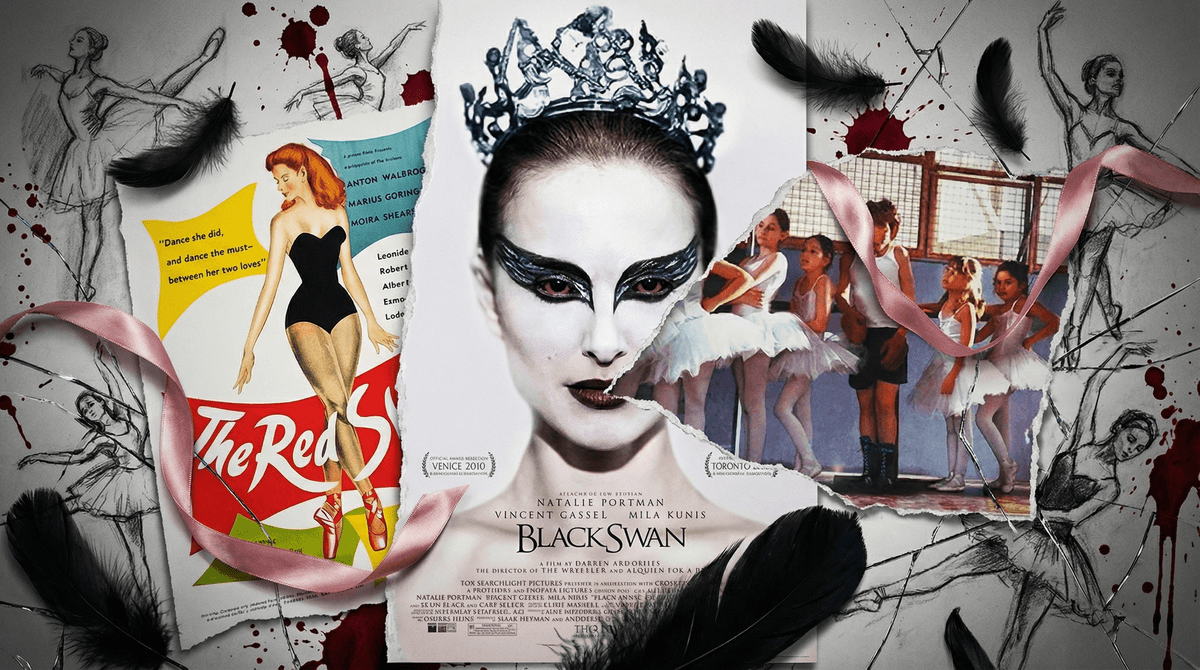
Black Swan is a 2010 psychological thriller directed by Darren Aronofsky, starring Natalie Portman as Nina, a ballet dancer who lands the lead role in Swan Lake and subsequently descends into psychological torment and madness. It won Portman an Oscar and was critically acclaimed for its artistry and intensity.
It's also absolutely not appropriate for most teens, and honestly, many adults find it deeply disturbing. Let's be really clear about that upfront.
This movie shows up on "best movies of the 2010s" lists, gets recommended by film teachers, and might seem like sophisticated viewing for a teen interested in dance or cinema. But the R rating here is doing some serious heavy lifting, and parents need to understand exactly what's in this film before making any decisions.
Here's the thing: Black Swan is genuinely a masterpiece of filmmaking. The cinematography is stunning, the performances are incredible, and it's a legitimate artistic achievement. It deals with themes of perfectionism, artistic obsession, and the pressure to succeed—all things that resonate deeply with high-achieving teens, especially those in competitive activities like dance, theater, or music.
Film teachers love it. Dance instructors reference it. It's culturally significant. And Natalie Portman's performance is the kind that makes people want to study acting.
But being a great film doesn't make it appropriate viewing for teenagers.
Let's get specific, because "R-rated" doesn't begin to cover it:
Sexual content: There are explicit sexual scenes, including a graphic hallucinated sex scene between Nina and another dancer. There's masturbation (interrupted by Nina's mother in a deeply uncomfortable scene). There's sexual coercion and manipulation by the male director. The sexual content isn't just present—it's disturbing and tied to Nina's psychological breakdown.
Self-harm and body horror: Nina scratches herself compulsively, picks at her skin until it bleeds, and in one horrifying sequence, appears to pull skin off her finger. There's a toenail scene that will make you never want to do ballet. The self-harm is visceral and realistic, not suggested or off-screen.
Eating disorder content: Nina is shown restricting food, purging, and dealing with her mother's controlling behavior around eating. For teens struggling with or vulnerable to eating disorders, this content can be genuinely triggering.
Psychological horror: This isn't jump-scare horror. It's sustained psychological terror as Nina loses her grip on reality. Hallucinations, paranoia, dissociation—all depicted in ways designed to make the viewer feel Nina's deteriorating mental state. It's effective filmmaking, which makes it more disturbing, not less.
Violence: Without spoiling the ending, there is stabbing, blood, and violence that's shocking in context.
Drug and alcohol use: Present, though not the primary concern.
Look, I get it. Some teens are ready for mature content earlier than others. Some 16-year-olds can handle complex, dark material that would be inappropriate for others their age.
But Black Swan isn't just "mature content." It's a film specifically designed to create psychological distress in the viewer. That's the point. Aronofsky wants you to feel Nina's descent into madness, and he's very, very good at his job.
For teens who are:
- Dealing with perfectionism or high achievement pressure
- Involved in competitive dance, gymnastics, or similar activities
- Struggling with body image or eating issues
- Experiencing anxiety or depression
- Prone to intrusive thoughts or obsessive thinking
This movie can be actively harmful. It's not about being "mature enough"—it's about whether exposing yourself to this particular kind of psychological content is a good idea right now.
Ages 18+, and even then, with some caveats.
If you have a 17-year-old who's passionate about film, planning to study cinema in college, and specifically wants to watch this as part of understanding psychological thrillers or Aronofsky's work—okay, that's a conversation you can have. But it should be:
- Their choice, not assigned viewing
- With context about what they're about to watch
- With the option to stop if it becomes too much
- With follow-up conversation available afterward
This is not a "family movie night" film. This is not something to watch with your 15-year-old because they're "into ballet." This is not appropriate for most high school film classes, despite its artistic merit.
This is where it gets tricky. Black Swan is taught in film schools and AP Film classes. It's a legitimate subject of study.
If your teen is in a class where this is assigned viewing, you have every right to:
- Request advance notice and a detailed content breakdown
- Ask about the pedagogical purpose and what alternatives exist
- Opt your teen out if you feel it's inappropriate
- Request they write about the film based on reviews and analysis rather than watching it
A good film teacher will understand that you can study a film's impact without necessarily experiencing it yourself, especially when the content is this extreme.
If your teen loves dance and wants sophisticated films about the art form:
- Billy Elliot (R, but for language—much more appropriate)
- Center Stage (PG-13)
- First Position (documentary, PG)
- The Red Shoes (1948, unrated but appropriate—and actually a direct influence on Black Swan)
For psychological thrillers that are intense but less extreme:
- The Prestige (PG-13)
- Shutter Island (R)
- Gone Girl (R, still intense but different kind of content)
Black Swan is an extraordinary film and an absolutely terrible choice for most teenagers. The fact that it's artistically significant doesn't make it appropriate. The fact that it deals with themes relevant to teens doesn't mean teens should watch it.
This is one where the answer is usually just "no, not yet." Not because you're being overprotective, not because you don't trust your teen's maturity, but because this specific film is designed to be psychologically disturbing, and there's no rush for your teen to experience that.
They can watch it in college. They can watch it at 20. The film will still be there, and they'll probably get more out of it with a few more years of life experience anyway.
If your teen is pushing back hard on this, that might be worth a conversation about why they feel they need to see this particular film right now . Sometimes the resistance to boundaries is more interesting than the content itself.
If your teen has already watched it: Don't panic, but do check in. Ask open-ended questions about what they thought, how it made them feel, whether anything was particularly disturbing. Watch for changes in mood or behavior in the following days.
If it's assigned for school: Contact the teacher to discuss your concerns and request alternatives. You're not the first parent to raise this issue.
If you're considering watching it yourself first: Good instinct. Watch it without your teen, and trust your gut about whether they're ready. Read some detailed parent reviews before you commit the time.
And remember: saying "not yet" to one movie isn't going to damage your relationship or stunt their cultural education. It's just good parenting.