The "British R" vs. the "Hollywood R"
Most parents see an R rating and assume they’re in for a "Netflix and chill" nightmare or a slasher-flick gore-fest. Billy Elliot is different. It’s the quintessential example of why context matters more than a letter on a box. The R rating here is almost entirely down to a relentless, rhythmic barrage of profanity. This isn't the gratuitous swearing of a low-budget thriller; it’s the actual dialect of a 1980s Northern England mining town.
If you can get past the F-bombs, you’re looking at a film that is fundamentally wholesome. It’s a story about a kid trying to find a scrap of beauty in a world that is literally covered in coal dust. For a 13-year-old, hearing this kind of language isn't going to be a corrupting influence so much as a lesson in how adults actually talk when their livelihoods are being stripped away. It’s raw, but it’s honest.
Class struggle as a character
The movie is set during the 1984 miners' strike, a piece of history that might feel distant but is crucial to understanding why Billy’s father reacts the way he does. This isn't just a "dad doesn't like ballet" trope. In this community, being a miner was an identity, a tradition, and a source of pride. For Billy to want to dance while his father and brother are on the picket lines feels like a betrayal of their survival.
This adds a layer of tension you won't find in your standard Disney Channel original. The stakes aren't about a trophy; they’re about whether a family can stay together while their world collapses. It’s one of those rare non-violent movies that teach kids real courage because the bravery required isn't about fighting—it’s about being the only person in the room who wants something different.
Beyond the "follow your dreams" clichés
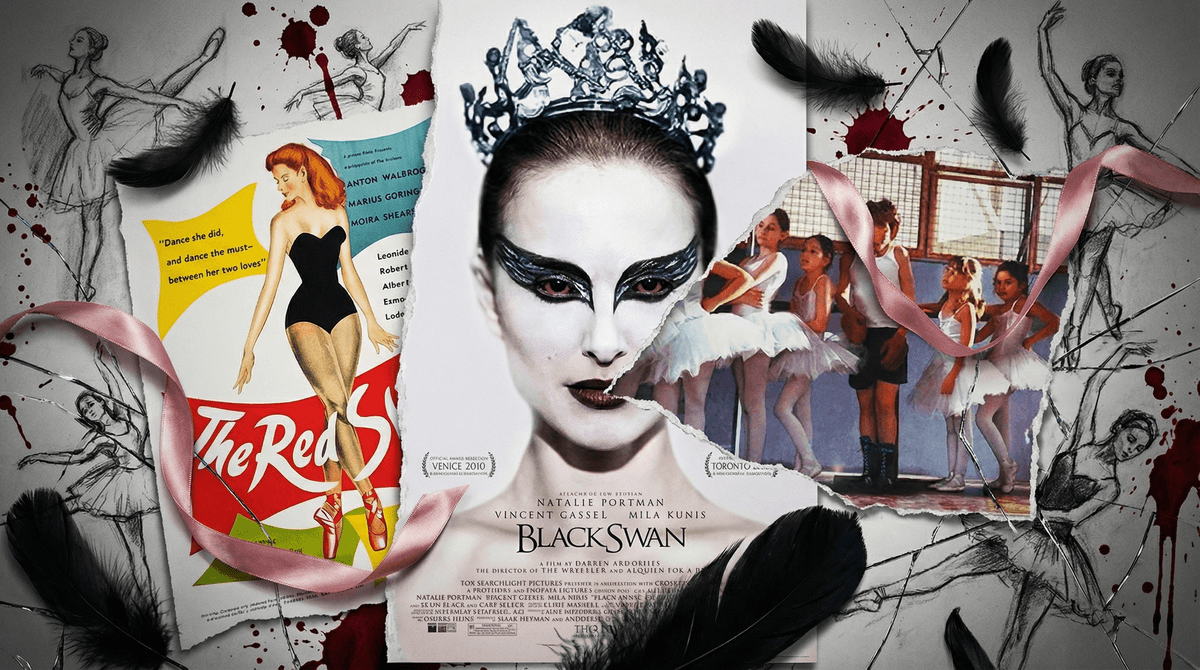
If your kid has already burned through the lighter fare in our list of dance movies for kids, this is the natural next step. It’s the "prequel" to the intensity of adulthood. Unlike the psychological downward spiral we see in our extreme content warnings for Black Swan, Billy Elliot stays grounded in reality.
The dance sequences aren't just performances; they’re physical outbursts. When the lead actor dances, it looks less like a recital and more like an exorcism of all the frustration he feels living in a cramped house with a grieving father and a furious brother. It’s an incredible way to show teens that art isn't just a hobby—it’s a necessity for staying sane.
How to watch it with a teen
Don't try to "pre-screen" this and edit out the bad words. You’ll be there all day. Instead, lean into the grit. Talk about the strike, talk about why the dad is so angry, and talk about the ending. The final scene jumps forward in time, and it is a masterclass in payoff. It’s the kind of ending that makes the previous two hours of swearing and soot feel completely worth it. If you have a kid who feels like they don't quite fit the mold, this is the movie that tells them they’re right to keep pushing.