The Marriage Post-Mortem
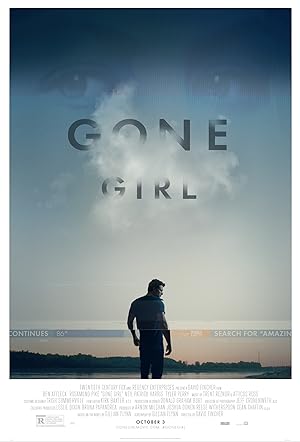
David Fincher doesn’t do "warm." He does clinical, precise, and deeply cynical. In Gone Girl, he finds his perfect match in Gillian Flynn’s screenplay. While most mysteries are about finding a body, this one is about the slow, agonizing dissection of a relationship that was dead long before the police showed up.
The movie thrives on a mid-point pivot that is still one of the most effective gear-shifts in modern cinema. It moves from a "did he do it?" police procedural into a "what have they done to each other?" psychological war. If you’ve only ever seen the trailers, you’re only seeing the first third of the movie. The rest is a pitch-black satire of how we perform for our partners and the media. It’s vicious in its assessment of modern marriage.
Why the "Cool Girl" Still Resonates
The 88% critic score on Rotten Tomatoes is anchored by Rosamund Pike’s performance. She delivers the "Cool Girl" monologue—a scathing critique of the personas women feel forced to adopt—with a coldness that stays with you. It’s the engine of the film.
This isn't just a thriller; it’s a critique of how the 24-hour news cycle turns personal tragedies into entertainment. We see the husband go from grieving spouse to most-hated man in America based on a smirk and a few poorly timed photos. It’s a great entry point for a conversation about media literacy, but only if the person you're talking to is old enough to handle the sheer depravity of the plot.
The Threshold for Teens
We see a lot of interest in psychological thrillers for teens because that age group loves an unreliable narrator. However, Gone Girl is the "final boss" of that genre. It’s significantly more graphic and nihilistic than your average YA suspense novel.
If your teen is asking to watch this because they’ve seen clips on TikTok or they liked the Neil Patrick Harris projects they grew up with, be warned: his role here is the polar opposite of a family-friendly sitcom character. There is one specific scene involving a box cutter and a bed that is arguably one of the most shocking moments in an R-rated thriller from the last two decades. It’s bloody, intimate, and deeply disturbing.
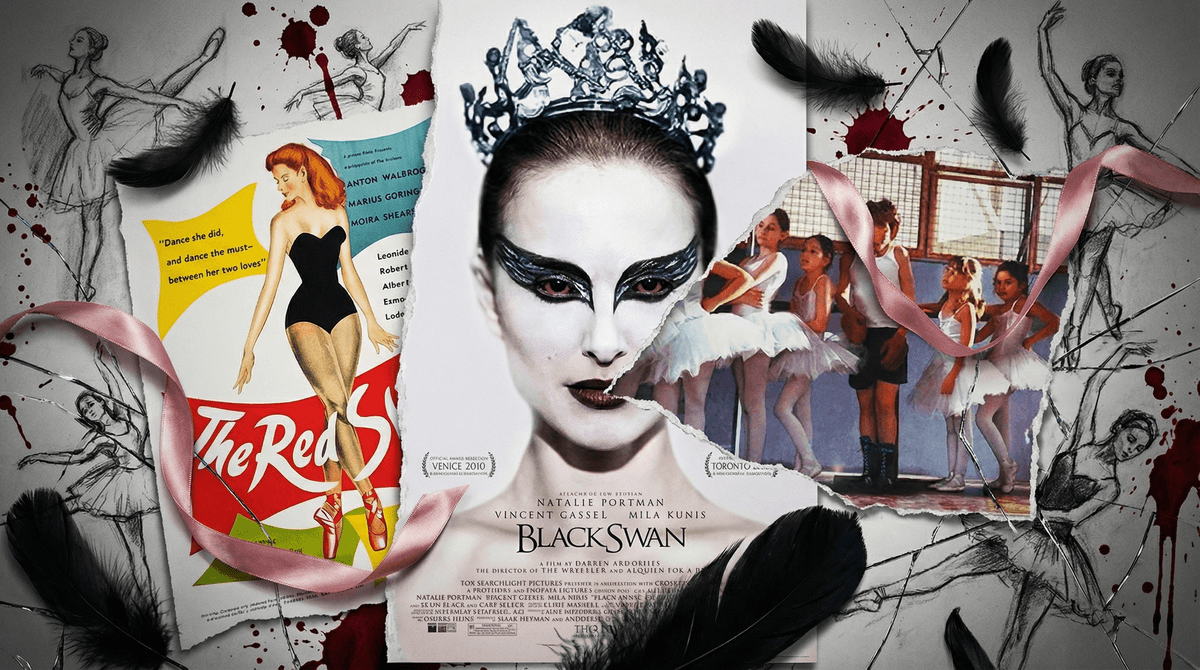
If they’ve already seen Black Swan and handled the psychological intensity there, they might be ready for the vibe of this film, but the sheer volume of manipulation here is on another level. This is a movie where no one is a hero, no one is "good," and the ending offers zero catharsis. It’s brilliant filmmaking, but it’s designed to make you feel greasy when the credits roll.