

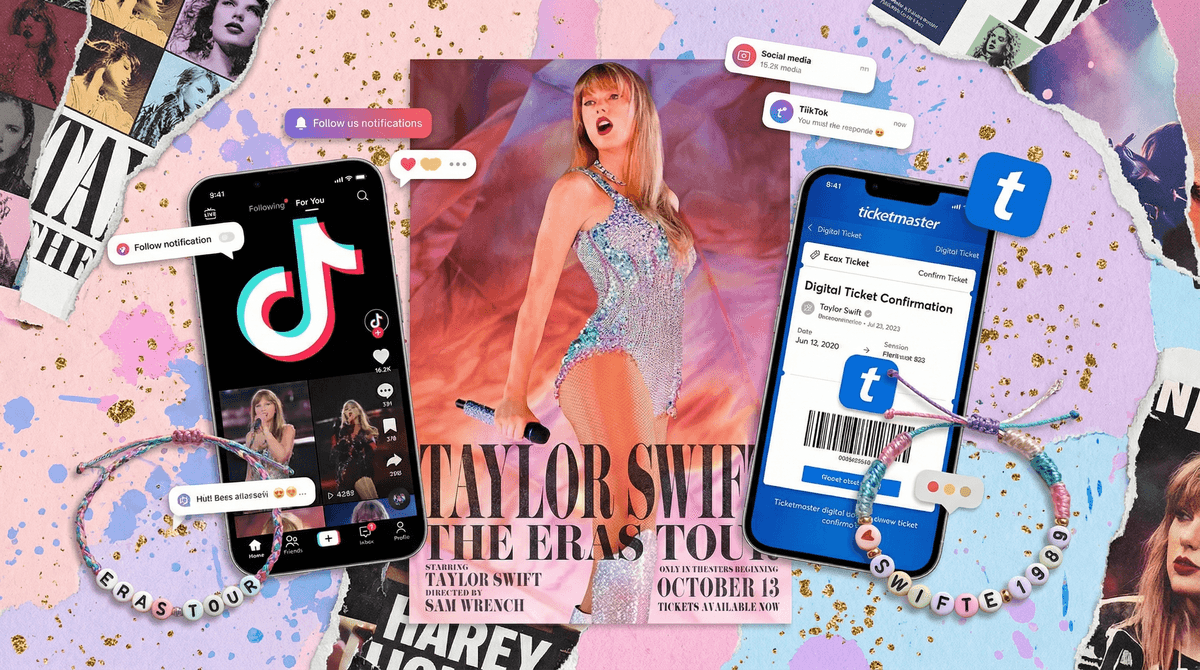
Okay, so you probably already know who Taylor Swift is—but do you really know the phenomenon your kids are experiencing?
Taylor Swift isn't just a pop star anymore. She's a cultural force that's basically taken over the internet, the economy, and yes, your kid's entire personality for the past year (or five).
She started as a country singer back in 2006, writing songs about high school heartbreak that resonated with teenage girls. Fast forward to 2024, and she's re-recording her entire catalog (we'll get to that), selling out stadiums worldwide on the Eras Tour, dating an NFL player (which somehow made football cool to tweens), and creating enough economic impact that cities track her tour dates.
But here's what matters for parents: Taylor Swift has become a gateway to understanding internet culture, fandom dynamics, parasocial relationships, and digital community building. Whether your kid is 8 or 18, chances are they're interacting with Swift's content in some way—and that interaction looks very different than when you had a favorite musician growing up.
She's Accessible and Relatable
Taylor built her entire brand on being the girl next door who writes in her diary about crushes, friendship breakups, and feeling like an outsider. Her lyrics are specific enough to feel personal but universal enough that everyone finds themselves in them.
For younger kids (ages 8-12), songs like "Shake It Off" and "Anti-Hero" feel empowering. They're dealing with playground drama and figuring out who they are, and here's this massively successful woman saying she's awkward too.
For teens (13+), the deeper cuts hit different. Songs about anxiety, reputation, heartbreak, and reinvention speak directly to what they're experiencing. Plus, she's been in the public eye since she was 16—many teens have literally grown up with her.
The Easter Egg Culture
Taylor has trained her fans to look for hidden meanings, clues, and references in everything she does. Outfit colors, capital letters in social media posts, timestamps, background details in music videos—it's all potentially meaningful.
This turns passive music listening into an active detective game. Kids aren't just consuming content; they're analyzing, theorizing, and collaborating with other fans online to decode messages. It's engaging their critical thinking skills, even if it's about predicting album announcements.
The Fandom Community
Being a Swiftie isn't just about liking music—it's about belonging to something. The online Taylor Swift community is massive, creative, and surprisingly supportive. Kids are making friendship bracelets, trading them at school, creating fan art, writing theories on Reddit and TikTok, and connecting with other fans globally.
For kids who feel like outsiders, this community can be genuinely meaningful. But (and this is important) it also comes with the intensity and drama of any large online fandom.
She Feels Like a Friend
This is the parasocial relationship piece. Taylor comments on fan posts, invites fans to secret sessions, shares personal details about her life, and creates content that makes fans feel like they know her. She's engineered a relationship where millions of people feel personally connected to her.
For kids still developing their understanding of celebrity and relationships, this can be confusing. They may genuinely believe they have a relationship with someone they've never met.
Ages 8-12: The Gateway Swiftie
What they're doing:
- Listening to the hits on repeat (prepare to hear "Cruel Summer" 847 times)
- Making friendship bracelets with song lyrics
- Learning choreography from music videos
- Asking for merch (which is expensive, fair warning)
- Watching the Eras Tour movie
What's generally fine: Most of Taylor's music is age-appropriate for this group. The themes are understandable without being too mature, and the community aspects (bracelet trading, singing together) are genuinely sweet.
What to watch:
- Lyric content: Some songs reference alcohol, sex, and mature relationship dynamics. "False God," "Dress," and several others aren't explicit but are definitely about adult situations. Listen first.
- Spending pressure: The merch, concert tickets, and collectible culture can get expensive fast. Set clear boundaries early.
- Screen time: Fan content is endless. TikTok compilations, lyric videos, fan theories—they can spiral into hours of watching.
Ages 13-15: The Deep Dive
What they're doing:
- Analyzing lyrics for deeper meaning
- Engaging with fan theories on social media
- Identifying strongly with specific "eras"
- Following Taylor's personal life and relationships closely
- Possibly spending significant time in online fan communities
What's generally fine: At this age, they can handle the more complex themes in Taylor's music. Songs about anxiety, heartbreak, and identity can actually be helpful processing tools. The analytical thinking involved in decoding Easter eggs is genuinely engaging their brains.
What to watch:
- Parasocial intensity: Monitor how personally they're taking Taylor's life events. Are they devastated when she breaks up with someone? That's worth a conversation.
- Online drama: Fandoms can be toxic. There are shipping wars, arguments about interpretations, and pile-ons when someone has the "wrong" opinion.
- Comparison culture: Taylor's life looks perfect online. Make sure your teen understands the difference between celebrity image and reality.
Ages 16+: The Adult Swiftie
What they're doing: Pretty much everything younger kids are doing, but with more money and independence. They might be trying to get concert tickets, spending their own money on merch, and engaging in more sophisticated online discussions.
What's generally fine: At this age, they can engage with all of Taylor's content and understand the business, artistic, and cultural implications of what she's doing. Many teens are learning about music industry politics through Taylor's masters dispute—that's actually educational.
What to watch:
- Financial decisions: Concert tickets can cost hundreds or thousands. Merch adds up. They need to understand budgeting.
- Time management: Fandom activities can consume hours. Is it interfering with responsibilities?
- Critical thinking: Can they critique something they love? Or is their identity too wrapped up in defending Taylor from any criticism?
The Re-Recording Situation (Taylor's Version)
You've probably noticed albums labeled "Taylor's Version" and wondered what's happening. Here's the short version: Taylor's original record label sold her master recordings (the original versions of her songs) without giving her a chance to buy them. So she's re-recording her first six albums to own her work.
Why this matters to your kids: This has become a lesson in artists' rights, ownership, and standing up for yourself. Many kids only listen to Taylor's Versions as a show of support. It's actually a pretty great conversation starter about labor, contracts, and intellectual property.
The Swiftie Economy Is Real
Taylor Swift fans are dedicated consumers. Limited edition vinyls, multiple versions of the same album with different bonus tracks, tour merchandise, concert tickets—it's designed to encourage collecting and FOMO (fear of missing out).
Be explicit about spending limits. The scarcity marketing is intentional and effective. Kids need help understanding they don't need every variant of every album.
The Boyfriend Tracking
A weird but real thing: many fans follow Taylor's romantic relationships intensely. When she started dating Travis Kelce (NFL player), it became a whole thing. Kids were suddenly watching football, analyzing their body language, and creating content about their relationship.
This is worth discussing. What are the boundaries around following strangers' personal lives? How do we respect celebrities' privacy while being fans of their work?
The Ticketmaster Disaster
If your kid wants to see Taylor Swift live, I have bad news: tickets are nearly impossible to get and wildly expensive. The Eras Tour broke Ticketmaster (literally—the site crashed) and created a secondary market where tickets sell for thousands of dollars.
Manage expectations early. Most kids won't be able to go, and that's okay. The Eras Tour movie is a legitimate alternative, and there will be other concerts in their lives.
The Online Fan Spaces
Swiftie TikTok, Twitter, Reddit, and Discord servers are massive and active. These spaces can be creative and supportive, but they can also be:
- Time-consuming
- Dramatic (fan wars are real)
- Sources of misinformation
- Places where kids share personal information to prove they're "real fans"
Know where your kid is engaging and what they're sharing.
Start from Curiosity, Not Concern
"I keep hearing about Taylor Swift everywhere. Help me understand what you love about her music?"
This opens a conversation instead of shutting it down. You might actually learn something about your kid's emotional world through what resonates with them.
Use It as a Media Literacy Opportunity
"How do you think Taylor wants us to feel when she posts that? What do you think her team is trying to accomplish?"
Help them see the strategy behind celebrity social media. It's not just authentic sharing—it's brand building. That doesn't make it bad, but they should understand it.
Talk About Parasocial Relationships
"It's cool that you feel connected to her music. But remember, even though she shares a lot, you don't actually know her. How do you think that's different from your real friendships?"
This is