

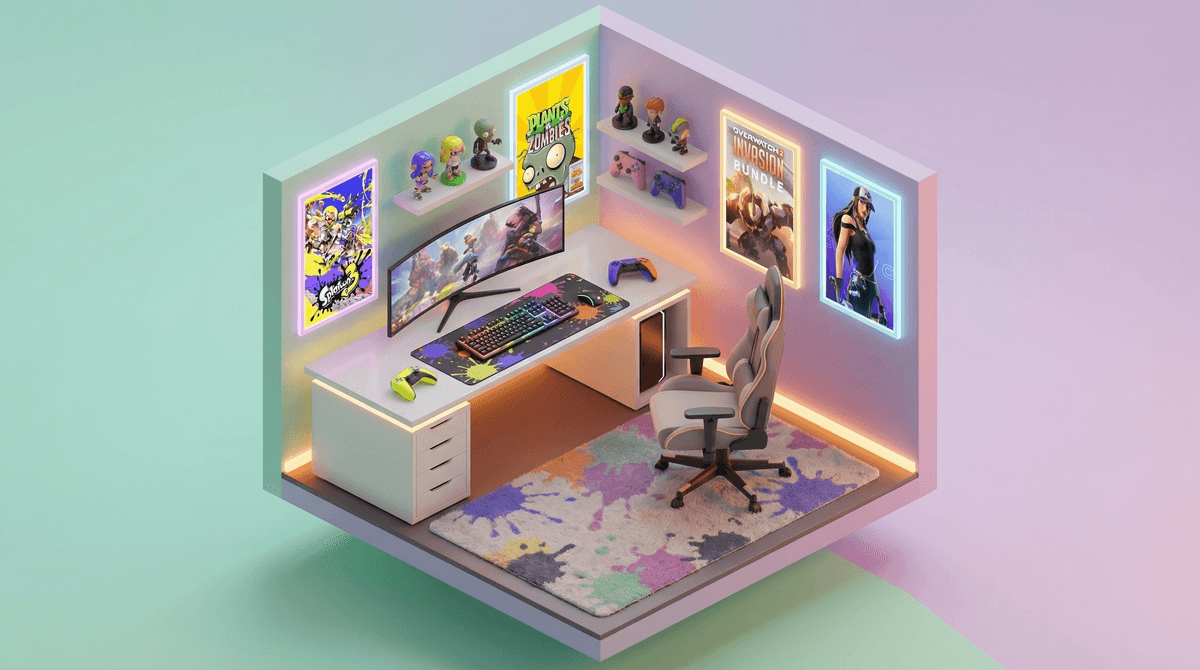
Let's get one thing straight: when we talk about shooting games rated for kids, we're not talking about Call of Duty with a PG sticker slapped on it. We're talking about games where the "shooting" mechanic is present but the violence, gore, and intensity have been dialed way down—or reimagined entirely.
Think Splatoon, where you're shooting ink at other players in what's essentially a chaotic water gun fight. Or Fortnite, which yes, involves eliminating other players, but does so with a cartoonish art style and zero blood. Then there's Plants vs. Zombies, where you're defending your lawn with sentient vegetables against goofy zombies.
Screenwise Parents
See allThe ESRB (Entertainment Software Rating Board) rates these games anywhere from E (Everyone) to T (Teen), and that rating matters—but it's not the whole story. A T-rated shooter like Fortnite is wildly different from a T-rated game like The Legend of Zelda: Tears of the Kingdom, even though they share the same rating.
Here's the thing: shooting mechanics in games aren't inherently about violence. They're about aim, timing, strategy, and competition. Kids love them for the same reasons they love throwing a ball at a target or playing laser tag—it's about skill, improvement, and the dopamine hit of hitting your mark.
Shooter games also offer:
- Social connection: Most of these games are multiplayer, meaning your kid is playing with friends, not just alongside them
- Mastery and progression: Getting better at aiming, building (in Fortnite), or strategizing feels genuinely rewarding
- Low barrier to entry: Unlike complex RPGs, the core mechanic (point and shoot) is intuitive
- Cultural currency: Like it or not, Fortnite and similar games are the social hub for many kids ages 8-14
Not all "kid-friendly" shooters are created equal. Here's how to think about the spectrum:
Ages 6-9: Zero-Violence Shooters
Games like Splatoon 3 (E10+) are perfect here. You're shooting ink, not bullets. Players "splat" and respawn instantly. It's colorful, fast-paced, and genuinely fun without any realistic violence. Kirby and the Forgotten Land also has shooting elements but in a super cute, non-threatening package.
Ages 10-12: Cartoon Violence with Strategy
This is where Fortnite (T for Teen) lives, and yes, it's rated T but approximately everyone in 4th-6th grade is playing it. The game involves eliminating opponents, but there's no blood, no realistic weapons, and the art style is bright and cartoony. The bigger concerns here are usually the social dynamics and voice chat, not the shooting itself.
Overwatch 2 (T) is another option—team-based, hero-focused, with diverse characters and abilities. It's more about strategy and teamwork than twitch reflexes.
Ages 13+: More Realistic but Still Appropriate
Games like Valorant (T) or Apex Legends (T) have more realistic graphics and weapon designs, but still maintain that T rating. These are competitive, skill-based games that many teens genuinely love. The violence is still stylized, and there's no gore.
What about M-rated games? Look, Call of Duty and similar M-rated shooters exist, and plenty of teens play them. But they're rated M for a reason—realistic violence, blood, mature themes. If your 13-year-old is asking for one, it's worth having a real conversation about why rather than just saying yes or no reflexively.
Here's what matters more than the shooting mechanic itself:
1. Online interactions: Most shooter games are multiplayer, which means voice chat, text chat, and exposure to other players—some of whom are not well-supervised kids. Learn how to manage voice chat settings before your kid jumps in.
2. In-game purchases: Fortnite's business model is selling cosmetic skins, and your kid will want them. Set clear boundaries about spending, or better yet, understand how Fortnite's V-Bucks economy works before you hand over your credit card.
3. Time sink potential: These games are designed to be played in sessions, and "just one more match" can easily turn into three hours. Set time limits that work for your family, and enforce them consistently.
4. Rage and frustration: Competitive games can be intense. If your kid is screaming at the screen or throwing controllers, that's a sign they need a break or help managing emotions around losing.
Start with the rating, but go deeper: Check Common Sense Media, watch gameplay videos on YouTube, or better yet, play a few rounds yourself. You don't need to be good at it—you just need to see what your kid is actually experiencing.
Set up parental controls from day one: Every platform (Xbox, PlayStation, Nintendo Switch, PC) has robust parental controls. Use them. Limit playtime, restrict purchases, and manage who your kid can communicate with.
Play together sometimes: I know, I know—you're busy and these games can feel overwhelming. But even 20 minutes of playing Splatoon or Fortnite with your kid gives you insight into what they love about it and opens up natural conversations about online behavior.
Talk about the difference between games and reality: Even with cartoon graphics, it's worth having age-appropriate conversations about why we don't solve problems with violence in real life, and why respect and kindness matter online just as much as offline.
Shooting games rated for kids aren't the boogeyman. When chosen thoughtfully and managed intentionally, they can be a fun, social, skill-building part of your kid's digital life. The key is understanding which games are actually appropriate for your child's age and maturity level, setting clear boundaries around time and money, and staying involved in their online world.
Your 8-year-old playing Splatoon with friends after school? Probably fine. Your 10-year-old spending three hours a day in Fortnite with voice chat enabled and no supervision? That's worth a conversation.
As with everything in digital parenting, there's no one-size-fits-all answer. But armed with the right information, you can make the call that works for your family—not the one that works for the family down the street or the one you think you're "supposed" to make.
- Check out our guide to Fortnite parental controls if that's the game your kid is asking about
- Explore alternatives to Fortnite if you want options with less combat
- Learn how to set up Nintendo Switch parental controls for younger kids playing Splatoon
- Not sure if a specific game is right for your kid? See if a game is appropriate for your child for personalized guidance