Splatoon

Splatoon

game

2015, Shooter, Platform

WISE
82%

WISE Score

81%

IGDB

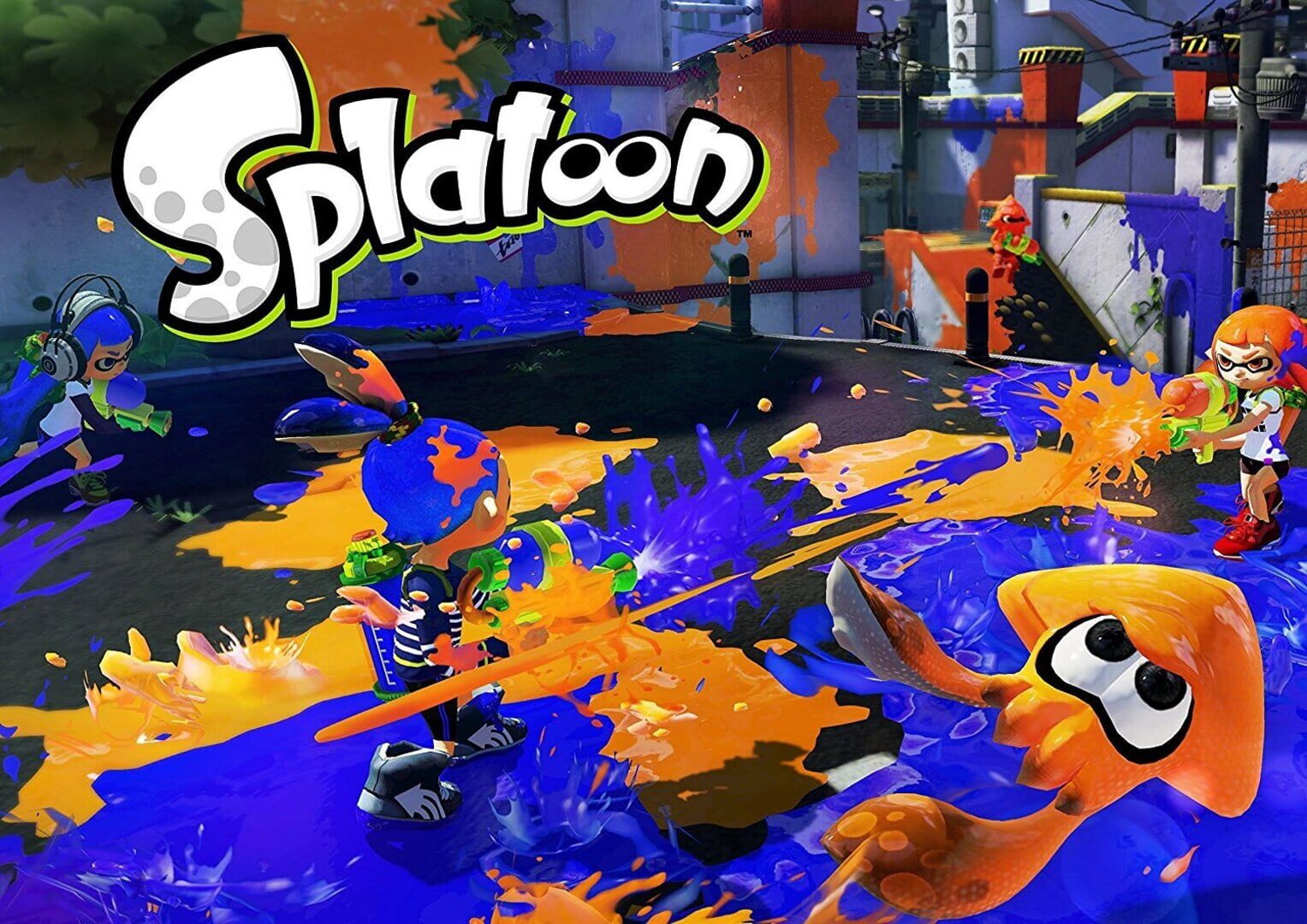
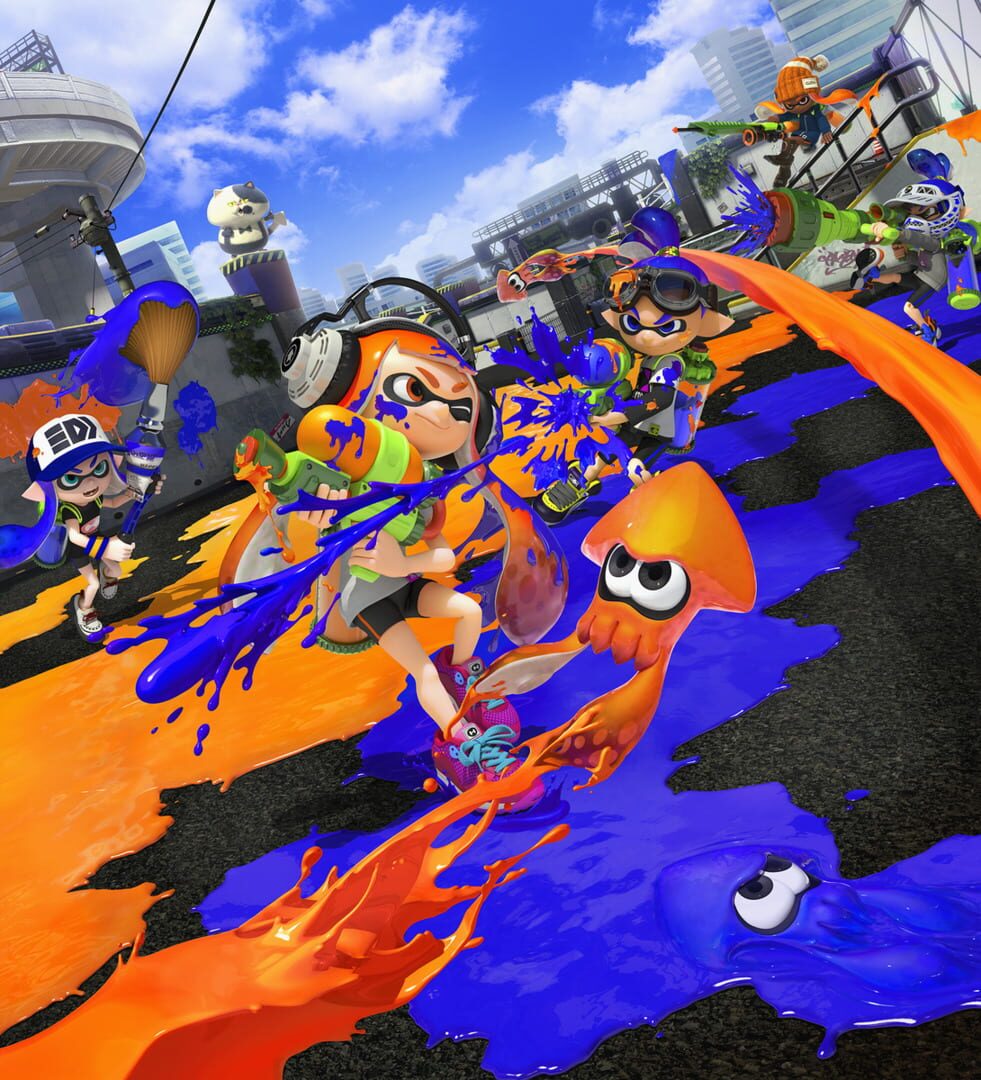
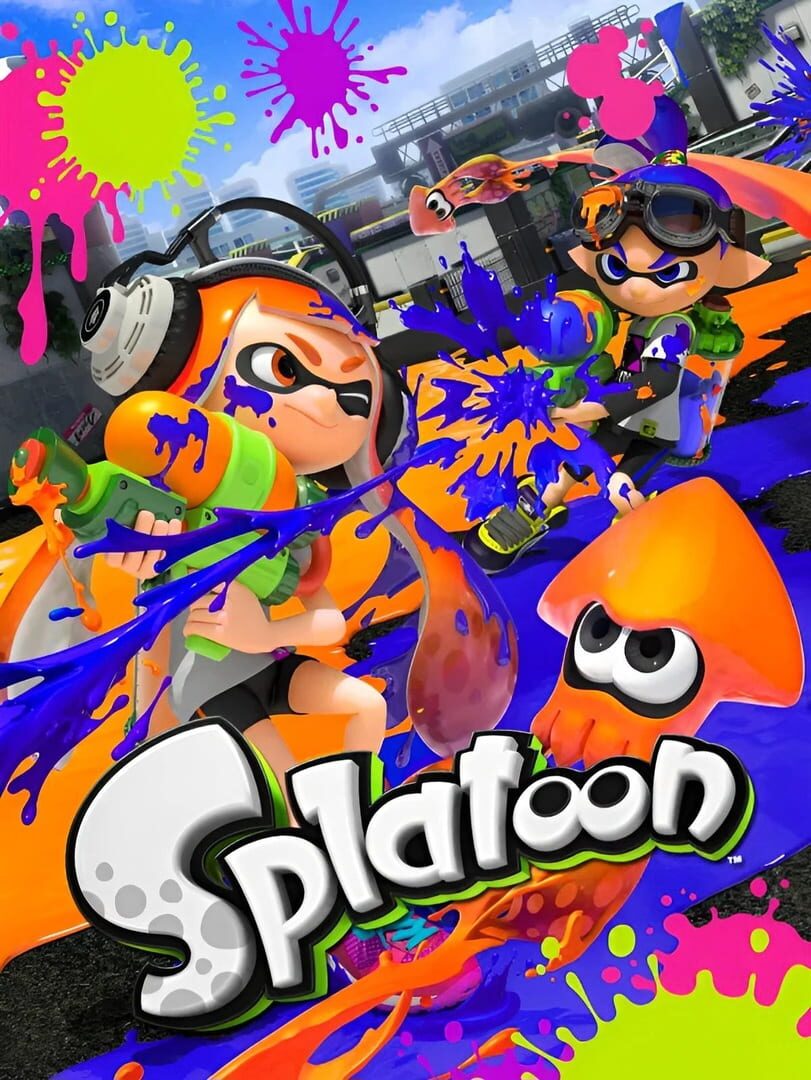
The shooter game that swapped bullets for paint and violence for turf wars—it's Call of Duty meets Nickelodeon, and somehow it works brilliantly.

Where to Play

Screenwise Verdict

Splatoon is that rare thing: a legitimately family-friendly shooter that doesn't feel dumbed down or patronizing. Nintendo took the competitive multiplayer formula and asked 'what if we made this about painting floors instead of headshots?' and somehow created one of the most creative games of the 2010s.

The genius is in how it maintains all the strategic depth and skill expression of traditional shooters while stripping out the violence. Kids learn map control, resource management (ink supply), and team coordination without any blood or guns. The squid mechanics add genuine innovation—swimming through your team's ink to move faster, climb walls, and hide from enemies creates a spatial puzzle that's constantly engaging.

The main caveat is that it's still competitive online multiplayer, with all the emotional highs and lows that entails. Losing streaks happen, teammates make mistakes, and that 'one more match' pull is real. But without voice chat and with Nintendo's typically clean community standards, it's about as safe as online gaming gets. The bigger issue in 2025 is that the Wii U is ancient history—most families will want to jump straight to Splatoon 2 or 3 on Switch unless you already own the hardware.

For parents worried about shooter games but with kids begging to play what their friends play, this is your answer. It's competitive, it's cool, and you won't cringe when you see what's on screen.
Age Fit

Best for ages 7-14. Younger elementary kids can grasp the mechanics and enjoy the colorful chaos, while tweens appreciate the competitive depth and skill progression. Teens may still enjoy it but might gravitate toward the newer sequels or more mature competitive games.

WISE Breakdown
Wholesome
88

Splatoon replaces traditional shooter violence with colorful ink-spraying gameplay. Players compete to cover territory rather than eliminate opponents, creating a cooperative, team-focused experience without aggression or toxic themes. The cartoonish Inklings and playful aesthetic maintain an upbeat, positive tone throughout.

Imaginative
92

Brilliant reimagining of the shooter genre with squid-kids who swim through ink, transform between forms, and navigate vertical spaces in creative ways. The game's unique art style, quirky fashion culture, and inventive mechanics (ink as both weapon and movement tool) demonstrate exceptional originality. Players must think spatially and strategically about terrain control.

Safe
82

No in-game purchases, loot boxes, or open chat systems significantly reduce safety concerns. Online multiplayer is present but structured around team matches without direct communication channels that could expose kids to toxicity. The game has natural stopping points between matches, though online competitive play can still encourage extended sessions. Lack of official content rating in our data is a minor concern.

Enriching
74

Develops strategic thinking, spatial reasoning, and teamwork through objective-based gameplay that rewards coordination over individual kills. Players learn to balance offense/defense and make tactical decisions about territory control. The skill ceiling is high, encouraging improvement and mastery. However, as a competitive multiplayer game, the enrichment is primarily skill-based rather than narrative or emotionally complex.

Parent Info

Why It Might Be Great

  • Genuinely innovative gameplay that proves shooters don't need guns or gore—kids are literally just painting the floor in team-based matches
  • Encourages strategic thinking and teamwork since winning is about territory control, not kill counts
  • The squid-transformation mechanic and vertical movement create spatial reasoning challenges that are legitimately clever
  • Nintendo's clean approach means no predatory monetization, no chat toxicity, just pure gameplay
  • Quirky Japanese fashion aesthetic and upbeat soundtrack make it feel more like a Saturday morning cartoon than a competitive shooter

What to Watch For

  • It's still online competitive multiplayer, which can get intense and frustrating when teammates aren't coordinated or matches go poorly
  • The Wii U is essentially a dead platform in 2025—you'll need the old hardware or move to the sequels on Switch
  • While there's no voice chat, kids may want to coordinate with friends externally, opening typical online gaming social dynamics
  • Matches can create that 'just one more game' loop common to competitive multiplayer

Conversation Starters

  • "What's your strategy—do you focus on covering new territory or defending what your team already has?"
  • "How does it feel different playing a shooter where you're not actually shooting at people?"
  • "Which weapon type do you like best, and why? What makes it effective for your play style?"
  • "When your team loses, what do you think went wrong? How do you handle that frustration?"
  • "If you could design a new Splatoon weapon or special ability, what would it do?"

Ask Anything

Get a personalized guide on any topic