The "main character" is actually the villain
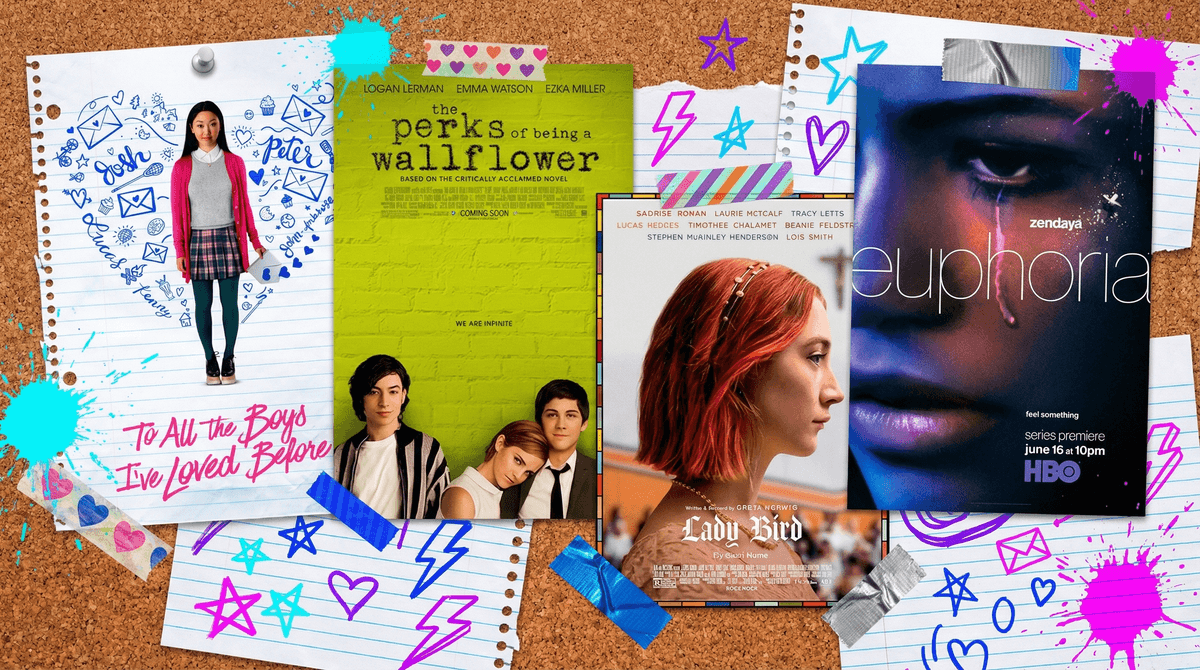
Most teen movies are built on the idea that the world is unfair to the protagonist. In this film, the world is definitely unfair—losing a parent young is a massive, life-altering trauma—but the script is brave enough to show that the lead character is often a jerk to the people trying to love her.
She’s self-absorbed, she’s cruel to her mother, and she treats her brother’s happiness like a personal betrayal. For a parent, watching this can be frustrating. You’ll want to reach through the screen and tell her to get over herself. But for a sixteen-year-old? This is incredibly validating. It captures that specific age where your emotions are so loud they drown out everyone else’s reality. If you’re looking for movies that get it, this is the gold standard because it doesn't try to make the lead "likable"—it just makes her real.
The "history teacher" dynamic
The standout relationship isn't the romance or the friendship; it’s the weird, deadpan bond between the lead and her history teacher. In most movies, the teacher is either a total joke or an inspirational figure who gives a standing-on-desks speech. Here, he’s just a guy eating his lunch who refuses to indulge her drama.
Their scenes are the funniest part of the movie, but they also serve a purpose. He’s the only person who treats her like an adult by refusing to coddle her. It’s a great example of how a "mentor" doesn't always have to be soft. Sometimes, the most helpful thing an adult can do for a spiraling teenager is to meet their hyperbole with a sarcastic eye-roll.
That one scene everyone talks about
There is a specific moment involving a drafted text message to a crush that is so cringeworthy it’s physically painful to watch. It leads to a scene where she tells her teacher she’s going to "run out of here and jump off a bridge."
It’s important to know that the movie treats this as a dark comedy beat, not a literal cry for help. The teacher responds by reading his own "suicide note" (which is just him complaining about his life). If your family is sensitive to themes of self-harm, this might land wrong. But in the context of the film, it’s a sharp commentary on how teens use extreme language to describe temporary embarrassment.
Where this fits in your queue
If your kid is aging out of the sanitized Disney Channel version of high school, this is the perfect "level up" movie. It belongs on the 50 essential high school movies you need to watch because it bridges the gap between the 80s classics and the modern era.
It’s also a great showcase for the lead actress, who has since moved into massive franchises. If your teen is a fan of her more recent work in action or animation, checking out this Hailee Steinfeld parent guide will help you see how this role was the turning point for her career. This isn't a "feel good" movie in the traditional sense, but it is a "feel seen" movie. For a struggling seventeen-year-old, that’s usually better.