

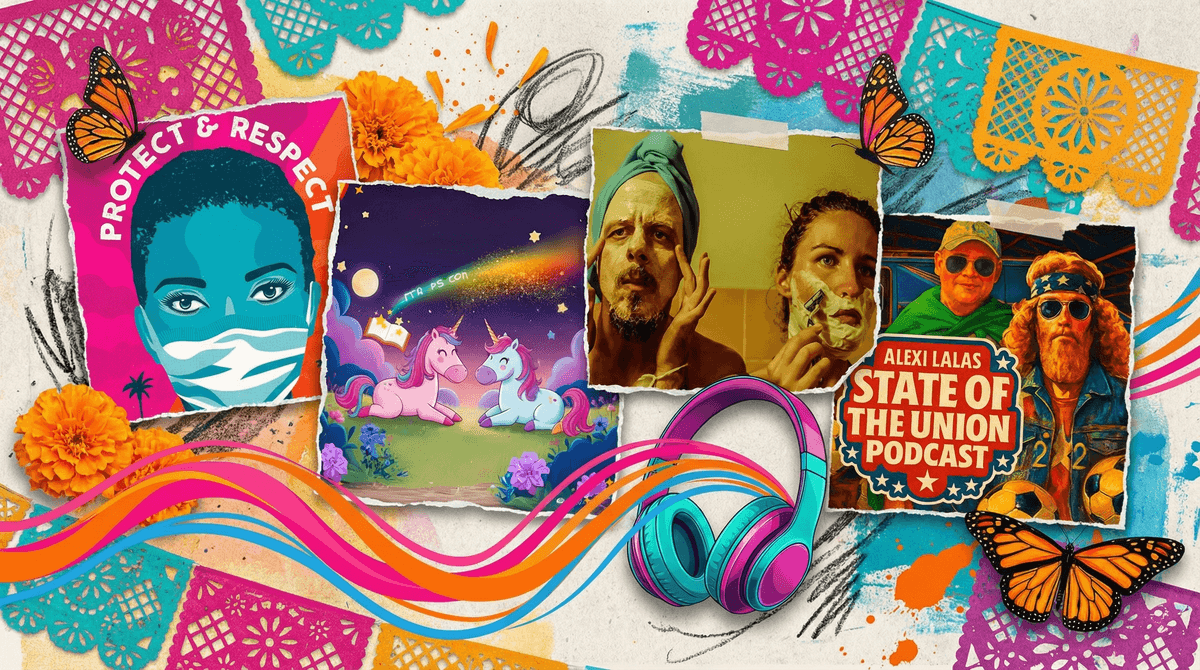
Let's be real: finding quality audio content that celebrates Latino culture, supports bilingual learning, and doesn't make you cringe is harder than it should be. Latino family podcasts are shows designed to engage kids (and parents) with stories, music, education, and culture—often in Spanish, English, or beautifully blending both.
These aren't just "Spanish practice" podcasts (though some work great for that). We're talking about shows that celebrate the richness of Latino cultures, tell stories with authentic voices, explore history and science with a cultural lens, and create space for families to connect with heritage—whether you're raising third-generation bilingual kids or just want your children exposed to more than one cultural perspective.
The podcast format is genuinely perfect for this. No screens, works in the car, during dinner prep, or as part of bedtime routines. And unlike YouTube where you're three autoplay videos away from unboxing videos or worse, podcasts stay in their lane.
Language preservation is real work. If you're trying to maintain or build Spanish language skills in a primarily English-speaking environment, you know the uphill battle. Kids need consistent, engaging exposure—and "just talk to abuela" isn't always enough (especially when abuela lives three states away or your kid gets self-conscious).
Representation matters in audio too. When kids hear stories with characters who share their background, use phrases from their household, or reference experiences they recognize, it validates their identity. It's not just about learning Spanish; it's about seeing—or in this case, hearing—themselves reflected in media.
Cultural connection isn't automatic. Even in Latino households, the specifics of history, traditions, and stories don't always get passed down organically. Life is busy. Podcasts can fill gaps, spark conversations, and give kids language to talk about their heritage.
And honestly? Some of these shows are just good. Not "good for a Spanish podcast" or "good for educational content"—just genuinely entertaining, well-produced, and engaging for the whole family.
For Younger Kids (Ages 4-8)
Lala the Podcast is basically the gold standard for bilingual preschool content. Hosted by a Puerto Rican educator, it's fully bilingual with songs, stories, and activities that teach Spanish naturally. The production quality is excellent, and kids actually request it.
¡Listos, Música! brings Latin music to little ears with context. Each episode explores a different genre—from cumbia to mariachi—with stories, history, and singalongs. It's joyful without being chaotic.
Cuentitos offers short folktales from across Latin America in Spanish. Perfect for bedtime or quiet time, and the 10-15 minute episodes are just right for shorter attention spans.
For Elementary Ages (Ages 6-10)
Las Culturistas Jr. (spin-off from the adult comedy podcast) is bilingual, funny, and explores Latino culture through kid-friendly interviews and segments. It's clever enough to keep parents entertained too.
Hola Mundo is a Spanish-language science and nature podcast that rivals Brains On! in quality. Kids submit questions, experts answer, and it's genuinely educational without feeling like homework.
La Biblioteca features dramatized stories from Latino authors and traditional tales. The production is theater-quality, and it's a great way to introduce kids to Latino literature they might not encounter otherwise.
For Tweens and Teens (Ages 10+)
Radio Ambulante is technically for adults but the storytelling is so compelling that older kids who speak Spanish will be hooked. It's Latin America's version of This American Life—real stories, beautifully told. Preview episodes first as some tackle mature themes.
Duolingo Spanish Podcast works well for intermediate learners. Stories are told in Spanish with English narration to help with context. It's designed for language learners, so it won't feel too fast or frustrating.
Anything for Selena is a limited series about Selena Quintanilla's legacy and what she means for Latino identity. It's thoughtful, emotional, and perfect for teens exploring cultural identity questions.
Bilingual doesn't mean 50/50. Some podcasts code-switch naturally, some teach vocabulary explicitly, some are primarily Spanish with English context clues. Think about what serves your family's goals. If you're maintaining fluency, go heavier Spanish. If you're introducing the language, more English scaffolding might work better.
Your kids might resist at first. If they're used to English-only content, Spanish podcasts can feel like work initially. Start with highly engaging shows (music-based ones are great entry points) and make it part of routine rather than "Spanish practice time."
Preview for content and language level. Just like English podcasts, these vary wildly in complexity. A show marketed for "kids" might use advanced vocabulary or discuss topics better suited for older children. Listen to a few episodes yourself first to gauge fit.
Production quality matters. Bad audio, amateur hosting, or clunky pacing will lose kids fast—regardless of language. The shows listed above are professionally produced. There are many well-intentioned Spanish podcasts for kids that are frankly unlistenable.
This isn't just for Spanish speakers. Even if your family isn't Latino, exposure to different languages and cultural perspectives is valuable. Kids' brains are wired for language acquisition, and cultural literacy matters.
Build it into routines. Car time, breakfast, before bed—whatever works. Consistency matters more than duration.
Let kids choose. Offer 2-3 options and let them pick. Autonomy increases buy-in, especially with older kids who might feel self-conscious about Spanish practice.
Follow up with conversation. "What was your favorite part?" or "Did you learn any new words?" keeps engagement active rather than passive. You don't need to quiz them—just show interest.
Mix it up. Rotate between music, stories, and educational content. Variety prevents burnout.
Use it as a springboard. A podcast about Día de los Muertos can lead to making papel picado together. A music episode can introduce you to artists for your family playlist. Let the content inspire real-world connections.
Latino podcasts for families aren't niche content—they're high-quality media that happens to celebrate language and culture in ways mainstream kids' podcasts often don't. Whether you're supporting bilingual development, connecting kids to heritage, or simply wanting diverse voices in your family's media diet, there are genuinely excellent options.
Start with one show. Give it three episodes before deciding (first episodes are often not representative). And remember: this isn't about perfect Spanish fluency or cultural expertise. It's about exposure, connection, and giving kids media that reflects the beautiful complexity of Latino experiences.
Want more podcast recommendations? Check out our guide to the best podcasts for kids by age or explore how to build a screen-free media routine.