

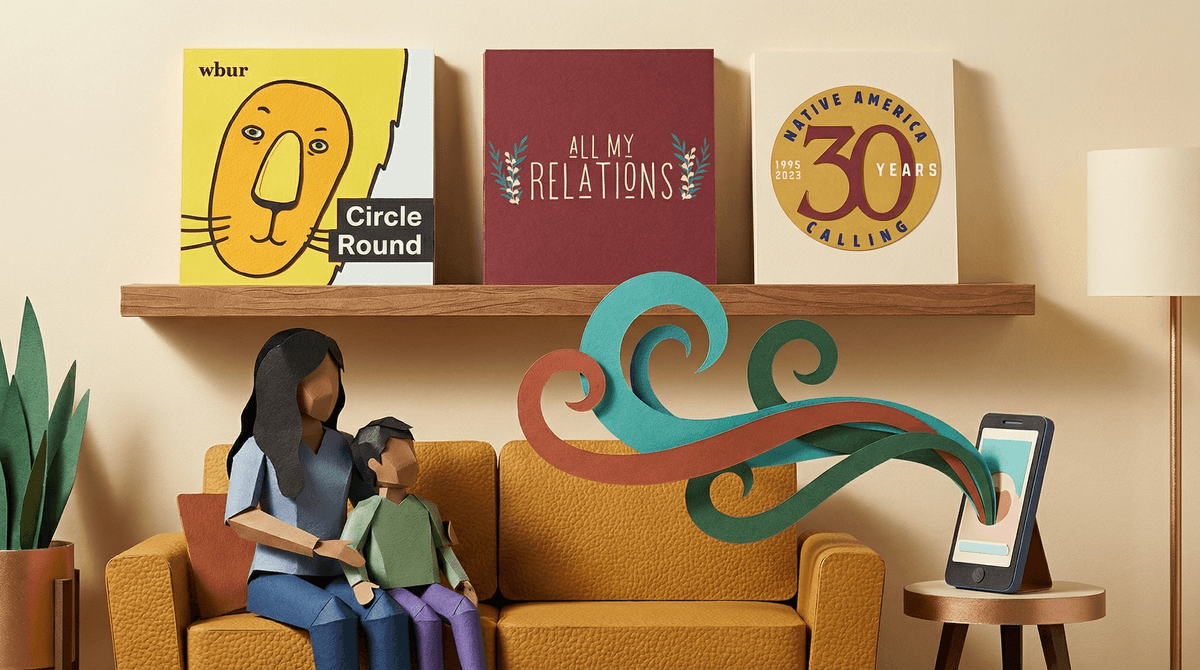
Indigenous podcasts are audio shows created by, featuring, or centering Indigenous peoples, their stories, cultures, histories, and contemporary experiences. We're talking about content from Native American, First Nations, Aboriginal, Māori, and other Indigenous communities worldwide—voices that have been systematically excluded from mainstream media for, well, forever.
Here's the thing: most kids' exposure to Indigenous peoples comes from outdated textbooks that treat Native Americans like they existed only in the past, or from deeply problematic media representations (looking at you, every Thanksgiving special ever made). Indigenous podcasts flip that script entirely, offering contemporary perspectives, authentic storytelling, and a chance to hear directly from communities rather than through a colonial filter.
And podcasts? They're having a moment with kids. The audio format lets families listen together during car rides, while doing chores, or during that weird after-school limbo time. It's screen-free media consumption that actually expands worldviews rather than narrowing them.
Let's be blunt: most kids grow up with an incredibly limited and often harmful understanding of Indigenous peoples. They learn about "Indians and Pilgrims" in elementary school, maybe read a few books with Native characters (often written by non-Native authors), and then... nothing. Indigenous peoples become frozen in history, reduced to stereotypes, or erased entirely from the narrative.
This matters for all kids, not just Indigenous children:
For Indigenous kids: Hearing their own cultures, languages, and contemporary experiences reflected in media is essential for identity development and cultural pride. It counters the erasure and misrepresentation they encounter everywhere else.
For non-Indigenous kids: Exposure to authentic Indigenous voices helps dismantle stereotypes, builds cultural competency, and teaches them that Indigenous peoples are thriving, diverse, contemporary communities—not historical footnotes.
The podcast format is uniquely suited for this work. Audio storytelling has deep roots in Indigenous oral traditions, and podcasts allow for nuanced, in-depth conversations that don't fit into the soundbite culture of social media or the visual stereotyping that happens in film and TV.
Elementary Ages (6-10)
Kiwi Kids News includes regular segments on Māori culture and te reo Māori (the Māori language). It's produced in New Zealand and offers a global perspective that many U.S. kids don't get elsewhere.
Stories from Tribal Nations episodes within shows like Circle Round feature Indigenous folktales and stories. Circle Round adapts folktales from around the world, and they've done beautiful work with stories from various tribal nations.
Wisdom of the Elders has some family-friendly episodes featuring Native American stories and teachings. Preview episodes first, as content depth varies.
Middle School (11-14)
Rebel Music from the National Museum of the American Indian explores Indigenous music, artists, and cultural movements. It's engaging for tweens who are starting to develop their own music tastes.
Native America Calling is a daily call-in show that tackles contemporary issues facing Native communities. Some episodes are perfect for middle schoolers—topics like Native athletes, Indigenous language revitalization, or Native representation in gaming and pop culture.
All My Relations dives into Indigenous issues with depth and humor. Episodes vary in maturity, so parents should preview, but many are accessible to mature middle schoolers, especially episodes about culture, art, and environmental activism.
High School (15+)
This Land is an investigative podcast about a landmark Supreme Court case and sovereignty issues in Oklahoma. It's gripping journalism that treats teens like the intelligent humans they are.
Indigenous in Music features conversations with Indigenous musicians across genres. Great for music-loving teens.
Media Indigena covers current events and news from Indigenous perspectives across North America. It's like a news podcast, but centering voices that mainstream news consistently ignores.
Language matters: Many Indigenous podcasts use terms like "Native American," "Indigenous," "First Nations," or specific tribal names. This is a great opportunity to talk with kids about the importance of self-identification and the problems with terms like "Indian" (unless referring to people from India, obviously).
Sovereignty is real: Contemporary Indigenous podcasts often discuss tribal sovereignty, treaty rights, and self-governance. These aren't historical concepts—they're current legal and political realities that most Americans know nothing about. Learn more about tribal sovereignty and why it matters .
.
Diversity is huge: There are 574 federally recognized tribes in the U.S. alone, plus countless more globally. Indigenous peoples are not a monolith. A podcast featuring Diné (Navajo) perspectives will be different from one centering Haudenosaunee (Iroquois) voices. This diversity is a feature, not a bug.
Some content addresses trauma: Historical trauma, ongoing discrimination, and contemporary challenges facing Indigenous communities are real topics that come up in these podcasts. Depending on your kids' ages and maturity, you might want to preview episodes that deal with topics like boarding schools, Missing and Murdered Indigenous Women, or environmental racism.
Representation ≠ Tokenism: Don't just add one Indigenous podcast to your rotation and call it done. Make Indigenous voices a regular, ongoing part of your family's media diet, not a November checkbox during "Native American Heritage Month."
For younger kids: "We're going to listen to some stories from Native American communities. These are people whose families have lived on this land for thousands of years, and they have amazing stories to tell that we don't usually hear in school."
For tweens: "Most of what we learn about Indigenous peoples is either from the past or just wrong. These podcasts are made by Native people talking about their lives, their cultures, and issues they care about right now."
For teens: "How many Indigenous voices have you heard in podcasts, on social media, or in the news? Probably not many, right? That's not an accident. Let's change that."
After listening, ask open-ended questions:
- What surprised you?
- What did you learn that you didn't know before?
- How is this different from what you've learned in school?
- What questions do you have now?
Indigenous podcasts aren't "special interest" content—they're essential listening for any family trying to raise kids with accurate historical knowledge and genuine cultural awareness. In a media landscape that consistently erases or stereotypes Indigenous peoples, podcasts offer direct access to authentic voices, contemporary perspectives, and stories that counter centuries of misrepresentation.
The best part? Your kids will probably find these podcasts genuinely interesting. Indigenous creators are doing innovative, engaging work that doesn't feel like homework or forced diversity. It's just good content that happens to expand their worldview.
Start with one podcast. Make it a regular part of your rotation. Listen together and talk about what you're hearing. That's it. That's the whole strategy.
- Pick one podcast from the age-appropriate list above and download a few episodes for your next car ride
- Follow Indigenous creators on social media to discover more podcast recommendations—accounts like @IndigenousInMusic or @NativeAppropriatePodcast regularly share new shows
- Check out alternatives to mainstream history podcasts for more ways to diversify your family's audio diet
- Ask your kids' school what they're teaching about Indigenous peoples and contemporary Native issues—and share some of these podcasts with teachers who want to do better
Indigenous voices aren't hard to find—they've just been systematically excluded from the spaces where most of us consume media. Podcasts are changing that, one episode at a time.