

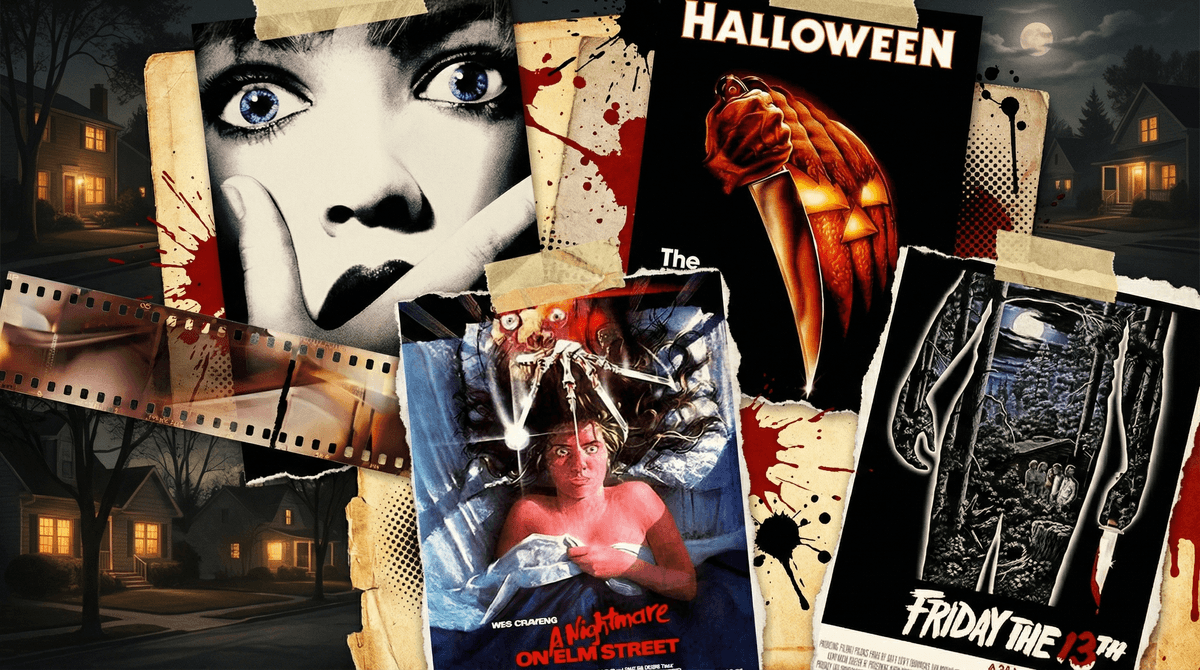
Let's talk about those horror movies that have been around since the '80s and '90s—Scream, the Friday the 13th franchise with Jason Voorhees, A Nightmare on Elm Street with Freddy Krueger, and Halloween with Michael Myers. These "slasher films" follow a pretty standard formula: a masked or disfigured killer stalks and murders teenagers, usually in creative and graphic ways, while one "final girl" fights back and survives.
The thing is, these movies have become cultural touchstones. Kids see the Scream mask at Halloween stores, hear references in TikToks, and watch their favorite YouTubers react to scary movie clips. With 92% of families in our community having TV access and 40% of kids having their own Netflix accounts, these classic horror films are more accessible than ever—which means this conversation is happening in living rooms everywhere.
Here's what makes these movies catnip for tweens and teens: they're forbidden fruit with a side of social currency.
At sleepovers and in middle school hallways, knowing these movies becomes a badge of honor. "Have you seen Scream?" is the horror equivalent of "Are you watching Stranger Things?" It's about being in the know, proving you're brave enough, and having something to talk about with friends who've already watched.
There's also genuine appeal in the adrenaline rush. That heart-pounding, cover-your-eyes-but-peek-through-your-fingers feeling is thrilling in a controlled environment. Plus, movies like Scream are actually pretty clever—they're meta-commentaries on horror films themselves, with humor mixed into the scares.
And let's be honest: teens are naturally drawn to testing boundaries and exploring darker themes as they figure out the world. Horror movies offer a safe way to engage with fear, mortality, and danger from the couch.
Before we talk ages, let's be clear about what's actually in these films:
Graphic violence: We're talking stabbings, blood, gore, and creative kills. Jason uses machetes. Freddy has knife-fingers. Scream opens with a brutal murder scene that sets the tone for the whole franchise.
Sexual content: Many slasher films include teen sexuality, nudity, and the tired trope that "sex equals death" (characters who have sex often die first—a whole problematic thing we could unpack).
Psychological intensity: Beyond jump scares, there's sustained tension, stalking, helplessness, and the violation of safe spaces (killers breaking into homes, hiding in closets).
Dated attitudes: These older films often include sexism, homophobia, and racial stereotypes that haven't aged well.
The ratings don't lie—most are R-rated for good reason. And unlike a video game where violence is cartoonish, these films feature realistic-looking people in realistic-looking danger.
Ages 8-11: Hard pass. Even if your fifth-grader swears they can handle it, the imagery from slasher films can be genuinely traumatizing at this age. Nightmares, anxiety, and intrusive thoughts are common. If they're curious about spooky content, try Goosebumps, Coraline, or The Haunting Hour instead.
Ages 12-14: This is the gray area where some kids might be ready for lighter horror, but probably not full slashers yet. Consider starting with thriller-adjacent content like A Quiet Place (less gore, more suspense) or comedy-horrors like Beetlejuice. If your 13-year-old is dying to see Scream, maybe start with a detailed conversation about what's in it, watch a "parents guide" breakdown together, and gauge their reaction.
Ages 15+: This is when many teens are developmentally ready to process these films, especially if they're specifically interested in horror. That said, "ready" doesn't mean "required." Plenty of adults never enjoy horror movies, and that's completely fine.
The social pressure is real: When 40% of kids have regular Netflix access and 30% have free rein on Amazon Prime, some kids are definitely watching these movies—and talking about them. Your kid isn't making it up when they say "everyone" has seen it. But "everyone" doesn't mean your family has to follow suit.
Co-viewing is clutch: If you decide your teen is ready, watch together the first time. It gives you a chance to pause, discuss, and process scary moments. Plus, you can call out problematic tropes in real-time: "Notice how the killer only goes after the girl who was flirting? That's the movie punishing her for her sexuality, which is pretty messed up."
Check Common Sense Media: Before any horror movie, look up the specific content warnings . Not all slashers are created equal—Scream has humor and self-awareness, while the Friday the 13th sequels lean heavily into gratuitous violence.
Talk about desensitization: Regular exposure to graphic violence can make it feel normal. Have conversations about how movie violence is choreographed, fake, and consequence-free in ways real violence never is.
Classic slasher films aren't going anywhere—they're part of pop culture DNA at this point. But just because something is iconic doesn't mean your 11-year-old needs to watch it.
The right age depends on your individual kid's maturity, anxiety levels, and interest