

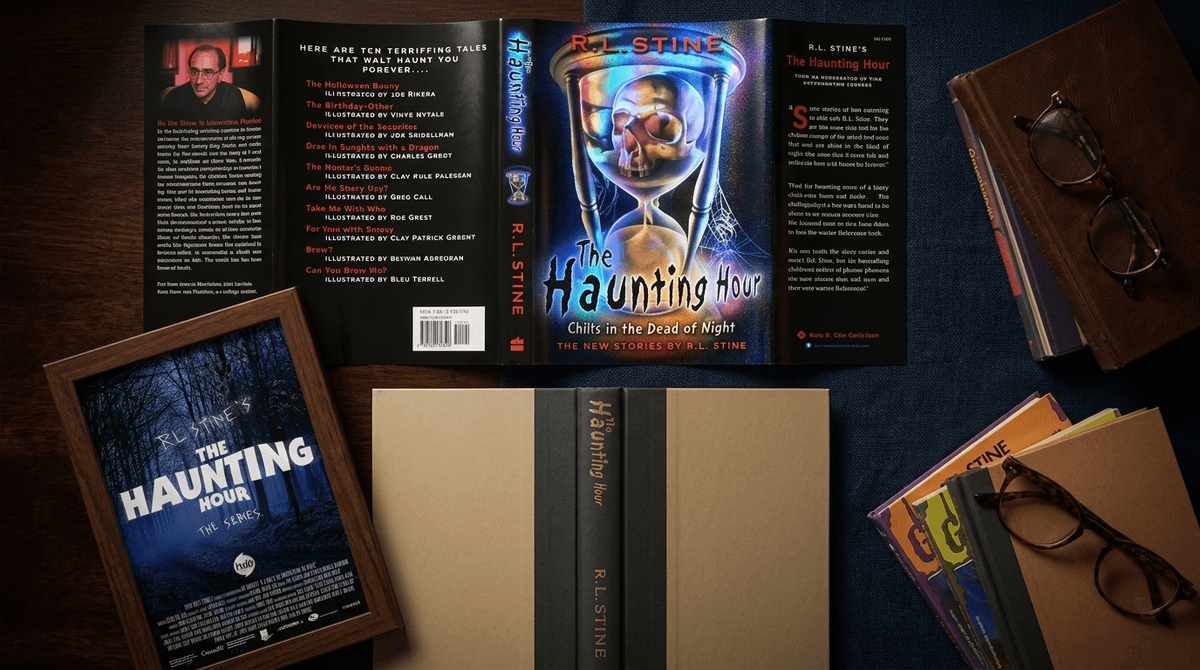
TL;DR: The Haunting Hour is the darker, meaner older brother of Goosebumps. It’s an anthology horror series where the "moral of the story" is often that the monster wins and the kid is doomed. It’s perfect for tweens who have outgrown the campy 90s scares and want something that feels like a junior version of Black Mirror or The Twilight Zone.
Quick Links for the Horror-Obsessed:
- The Original Gateway: Goosebumps (the show)
- The British Alternative: Creeped Out (Netflix)
- The Next Step Up: Scary Stories to Tell in the Dark (movie)
- The Classic Books: Goosebumps by R.L. Stine
If your kid has been deep in the Five Nights at Freddy's lore or spends their time watching "analog horror" on YouTube, they’ve likely stumbled upon R.L. Stine's The Haunting Hour.
While R.L. Stine is the king of "safe" scares, this series (which originally aired on The Hub) is a significant pivot from his usual brand. In Goosebumps, the protagonist usually finds a way to outsmart the dummy or escape the haunted mask. In The Haunting Hour, the stakes are higher, the atmosphere is grittier, and the endings are frequently—and I mean this—deeply upsetting for a PG-rated show.
It’s an anthology, meaning every episode is a standalone story with a new cast. You’ll see familiar faces like Bailee Madison or even a young Jenna Ortega navigating scenarios that range from "creepy doll" tropes to "existential dread about being replaced by a clone."
Tweens are in that developmental sweet spot where they want to test their limits. They want to feel "grown-up" without actually watching Stranger Things or IT if they aren't quite ready for the gore or heavy language.
The Haunting Hour works because it doesn't pander. It treats the fears of an 11-year-old—being ignored by parents, losing a friend, or being trapped in a life they don't control—with total seriousness. It’s "Ohio" in the sense that it’s weird, unsettling, and slightly chaotic, which is exactly the vibe that resonates with the current digital-native generation.
If you’re wondering just how "dark" this gets, here are the heavy hitters that usually stick with kids:
This is the series premiere and it sets the tone perfectly. A girl gets a life-sized doll that looks exactly like her. The doll starts "replacing" her in her parents' affections. It’s psychological horror that taps into the primal fear of being replaced.
R.L. Stine has an obsession with dolls, but this one is particularly nasty. It involves a girl being turned into a doll while her "replacement" takes over her life. There is no last-minute rescue.
Unlike the campy Haunted Mask from the 90s, this version is about a mask that literally grafts to the child's face, and the ending implies a permanent, horrific transformation.

Recommended Age: 9-13
While the rating is TV-PG, this isn't "PG" like a Pixar movie. It's "PG" like Poltergeist.
- Ages 7-8: Only for the "horror kids" who have already breezed through Goosebumps. Even then, watch with them. The lack of happy endings can be genuinely distressing for younger kids who expect the hero to win.
- Ages 9-11: The target demographic. They will love the "edginess" of it. It’s a great conversation starter about storytelling and how tension is built without using blood or guts.
- Ages 12+: Might find some episodes a bit dated, but the psychological themes still hold up.
The most important thing to understand about The Haunting Hour is its nihilism.
In most kids' media, there’s a safety net. If the character is a "good kid," they’ll be okay. The Haunting Hour throws that net out the window. Sometimes the kids are bratty and "deserve" their fate (in a classic Twilight Zone way), but sometimes they are perfectly nice kids who just happen to encounter a malevolent force they can't beat.
If your child is prone to existential anxiety or has trouble sleeping after "bad things happen to good people" stories, you might want to pre-screen or stick to more traditional fare like Are You Afraid of the Dark? where the "Midnight Society" usually wraps things up with a bit more hope.
Check out our guide on the difference between suspense and trauma in kids' media
If your tween is bingeing this, use it as a bridge to talk about media literacy and their own boundaries:
- "How did that ending make you feel?" Since the endings are often "downers," check in on whether they find it cool/interesting or if it's actually making them feel anxious about the world.
- "How do they make it scary without blood?" This is a great way to talk about lighting, sound design, and "the unseen." It turns a scary experience into a technical appreciation of film.
- "Is this better than Goosebumps?" Most kids will say yes, and it’s interesting to hear why. Usually, it’s because they feel the show respects their ability to handle "real" stakes.
The Haunting Hour is a high-quality, genuinely creepy anthology that serves as a perfect transition for tweens moving toward more mature horror. It’s not "brain rot"—it’s actually well-written, atmospheric storytelling.
Just be prepared for the "monsters win" endings. If your kid asks to sleep with the light on after an episode about a soul-stealing ice cream truck, don't say we didn't warn you.
- If they love the anthology format: Check out Creeped Out on Netflix. It’s a bit more modern and tech-focused.
- If they want to read the source material: Grab The Haunting Hour by R.L. Stine, which features the short stories that inspired the series.
- If they need a palate cleanser: Try something funny but slightly spooky like The Addams Family.