

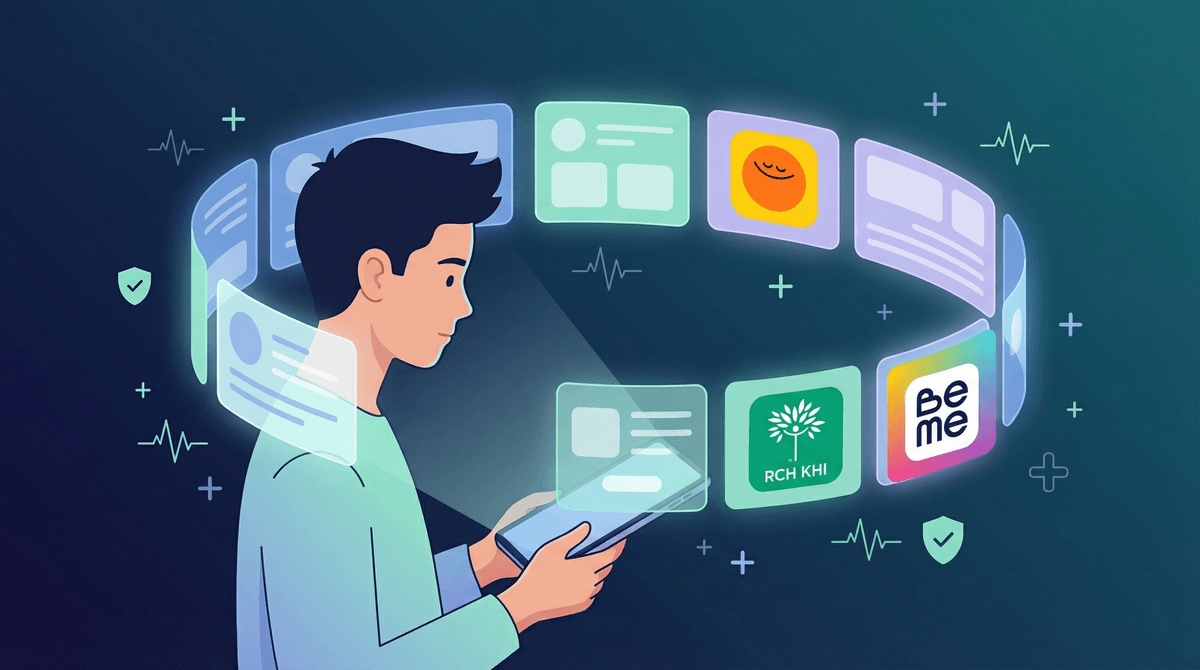
Here's the thing: kids are Googling their symptoms. They're asking TikTok about anxiety. They're watching YouTube videos about puberty changes. And honestly? That's not necessarily bad—it's just reality in 2026.
Health and wellness sites for kids are digital resources designed to help children and teens learn about their bodies, mental health, nutrition, and overall wellbeing. The good ones are age-appropriate, medically accurate, and actually answer the questions kids are too embarrassed to ask you at dinner. The bad ones are... well, we'll get to that.
The landscape includes everything from reputable medical sites with kid-friendly sections (like KidsHealth) to apps teaching mindfulness, YouTube channels about puberty, and unfortunately, a whole lot of wellness influencers peddling pseudoscience to impressionable audiences.
Kids are going to look this stuff up. Period. The question isn't whether they'll seek health information online—it's whether they'll find accurate information or end up in some wellness rabbit hole learning that crystals cure anxiety and vaccines are scary.
The statistics are pretty clear: most teens report going online for health information before talking to a parent or doctor. And honestly, that makes sense. If you're 13 and worried about whether your period is normal, typing it into Google feels a lot less mortifying than asking your dad.
But here's where it gets tricky. The internet doesn't distinguish between a board-certified pediatrician and someone who "did their own research." Kids can't always tell the difference between a reputable medical site and a wellness influencer selling supplements. And the algorithm? It doesn't care about medical accuracy—it cares about engagement.
Plus, there's the age-inappropriate content issue. A 9-year-old searching "why do I feel sad" might end up on forums discussing self-harm. A curious 11-year-old looking up puberty information could stumble into deeply uncomfortable territory.
Let's start with the sites and resources that are actually helpful:
KidsHealth (kidshealth.org) is the gold standard. It's run by Nemours Children's Health and has separate sections for kids, teens, and parents. The information is medically reviewed, age-appropriate, and covers everything from "why do I need to brush my teeth" to "what's happening during puberty" to mental health topics. It's not flashy, but it's solid.
Amaze (amaze.org) offers short, animated videos about puberty, bodies, and relationships that are actually good. They're inclusive, accurate, and way less awkward than most health education. Ages 10+.
Headspace for Kids and similar mindfulness apps can be genuinely helpful for anxiety and stress management. Headspace has age-appropriate meditation exercises that don't feel preachy.
Teen Mental Health (teenmentalhealth.org) provides solid information about depression, anxiety, and other mental health challenges. It's Canadian-based but universally relevant.
Planned Parenthood's teen section offers accurate, comprehensive information about sexual health, relationships, and consent. Yes, it's Planned Parenthood, and yes, it's actually one of the most medically accurate resources available for this topic.
Now for the minefield. The wellness industry has discovered that kids and teens are a lucrative audience, and it's not pretty.
Wellness influencers are everywhere, and many are spreading misinformation. That TikToker with 2 million followers talking about "hormone hacking" or "gut health" probably isn't a medical professional. They're selling supplements, courses, or just engagement.
Pro-ana and pro-eating disorder content still exists, often disguised as "wellness" or "clean eating" content. It's dangerous and can be genuinely triggering.
Unmoderated forums like Reddit can have helpful communities, but they can also expose kids to graphic discussions, dangerous advice, and age-inappropriate content. A 12-year-old shouldn't be getting medical advice from strangers on the internet.
YouTube's health content is wildly inconsistent. For every legitimate doctor creating educational content, there are ten people promoting detox teas and essential oils as medicine.
Ages 6-9: At this age, kids should be using resources with you. Sites like KidsHealth's "Kids" section work well for learning about basic body functions, germs, and feelings. This isn't independent research time yet.
Ages 10-12: This is when kids start having questions they might not want to ask out loud. Having a few bookmarked, trusted sites they can explore (like KidsHealth's teen section or Amaze) gives them a safe place to learn. Set up their browser to default to these sites for health searches.
Ages 13-15: Teens need more comprehensive information about mental health, sexual health, and body changes. They're going to search independently, so the goal is teaching them to evaluate sources. Who wrote this? Are they qualified? Is this trying to sell me something?
Ages 16+: Older teens can handle most reputable health sites, but they still need media literacy skills to spot misinformation. They should understand the difference between a medical professional's advice and a wellness influencer's opinion.
You can't (and shouldn't) block all health information. Trying to completely control what health information your kid accesses usually backfires. They'll just use a friend's phone or find ways around restrictions.
Teach source evaluation, not just content filtering. Help your kids understand how to assess whether information is trustworthy. Questions like "Who wrote this?", "Are they trying to sell something?", and "Does this match what doctors say?" are more valuable than any content filter.
Make yourself a safe resource. The best way to ensure kids get accurate health information is to make sure they feel comfortable asking you. That means not overreacting when they ask about something awkward, and admitting when you don't know the answer (and then looking it up together).
Be aware of mental health content. Kids searching for information about anxiety or depression might find helpful resources, but they might also find content that normalizes self-harm or promotes unhealthy coping mechanisms. Check in about what they're learning.
Talk about the wellness industry. Kids need to understand that "wellness" isn't the same as "medicine," and that people can make a lot of money selling unproven treatments. The wellness industry targets young people specifically because they're vulnerable and impressionable.
- Sites selling products alongside health advice
- Information that contradicts what doctors say
- Content promoting extreme diets or exercise routines
- Forums or communities that discourage talking to parents or doctors
- Anything suggesting kids should diagnose or treat themselves
- Content that makes medical conditions seem aspirational or desirable
Start the conversation early and keep it ongoing. Something like: "Hey, I know you might have questions about your body or health stuff that feels awkward to ask about. Here are some good websites where you can find accurate information. And you can always ask me anything—I promise I won't make it weird."
For older kids: "I know you're going to look up health stuff online. That's totally normal. But not everything online is accurate. Let's talk about how to tell if a source is trustworthy."
And crucially: "If you ever see something online that worries you or doesn't seem right, please tell me. You won't get in trouble."
Kids looking up health information online isn't the problem—it's actually pretty healthy curiosity. The problem is that the internet serves up medical misinformation right alongside legitimate resources, and kids don't always have the tools to tell the difference.
Your job isn't to prevent all independent health research. It's to provide trustworthy resources, teach critical evaluation skills, and make sure you're a safe person to come to with questions—even the uncomfortable ones.
Bookmark a few solid sites. Have the awkward conversations. And remember: they're going to Google it anyway. Better they find KidsHealth than some wellness influencer's supplement shop disguised as health advice.
- Bookmark KidsHealth, Amaze, and other trusted resources in your child's browser
- Have a conversation about evaluating online health information
- Set up parental controls that filter inappropriate content without blocking legitimate health education
- Check in periodically about what they're learning online
- Make sure they know they can always ask you questions, and that you'll help them find accurate answers if you don't know
And if you're wondering how to approach specific topics like talking to kids about mental health or navigating puberty conversations, those are conversations worth having sooner rather than later.