

How Haikyu!! Teaches Kids Perseverance, Teamwork, and Growth Through Volleyball
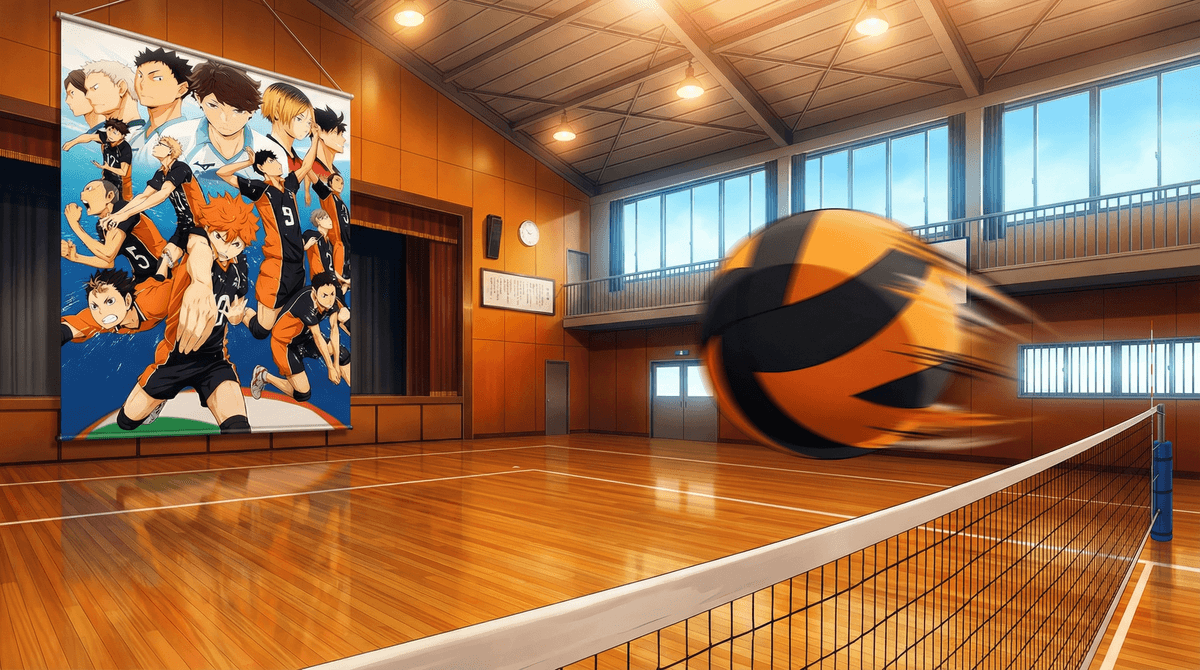
Haikyu!! is one of the best sports anime for kids and teens, and honestly? It's not just about volleyball. This show is a masterclass in character development, showing how perseverance, teamwork, and embracing failure can lead to real growth. If your kid is into it (or you're wondering if they should be), here's why it's actually worth the hype—and what makes it different from typical sports shows.
Quick recommendations:
- Ages 10+ for most kids who can handle competitive intensity
- Perfect for: Kids learning about teamwork, dealing with setbacks, or needing motivation
- Watch together: Great conversation starters about effort vs. talent, handling disappointment
Haikyu!! follows Shoyo Hinata, a short middle schooler who falls in love with volleyball after watching a legendary player nicknamed "The Little Giant." Despite his height disadvantage, Hinata is determined to become a great volleyball player. When he joins Karasuno High School's volleyball team, he meets Tobio Kageyama—a talented but arrogant setter who was Hinata's rival in middle school. The two are forced to work together, and the series follows their journey (and their team's journey) through tournaments, losses, victories, and tons of personal growth.
The show ran for four seasons with 85 episodes total, plus several movies. It's available on Crunchyroll, Netflix, and Hulu.
The popularity of Haikyu!! isn't just about cool volleyball plays—though those are legitimately exciting, even if you've never cared about sports anime before. Kids connect with it because:
It's about underdogs. Hinata is short. Karasuno is a fallen powerhouse. The team is full of players who've been counted out or underestimated. Kids who feel overlooked or "not good enough" at something see themselves in these characters.
The competition feels real. Unlike shows where the protagonists win every match through determination alone, Haikyu!! shows losses. Big ones. Devastating ones. And then it shows the characters processing those losses, learning from them, and coming back stronger.
Every character gets depth. This isn't the "main character and sidekicks" show. Even opponents get full backstories and motivations. Your kid might start rooting for rival teams because they're so well-developed.
It's genuinely funny. Between the intense matches, there's humor, friendship, and slice-of-life moments that make the characters feel like real teenagers.
1. Talent vs. Hard Work
One of the core tensions in Haikyu!! is the eternal question: what matters more, natural talent or hard work?
Kageyama is a prodigy—naturally gifted with incredible precision and volleyball IQ. But his talent made him arrogant and isolated in middle school, earning him the nickname "King of the Court" (not a compliment). He had to learn that talent without teamwork is useless.
Hinata, on the other hand, has raw enthusiasm and athleticism but lacks technique and experience. He works obsessively to improve, but the show doesn't pretend that hard work alone makes him equal to more experienced players overnight.
What kids learn: Both talent and effort matter, but neither is enough on its own. The show emphasizes that growth comes from combining natural abilities with deliberate practice, learning from others, and staying humble.
2. Failure Is Part of the Process
Here's where Haikyu!! really shines: it doesn't shy away from showing characters fail. And not just "we lost this match but learned a valuable lesson" failure—real, crushing defeats that matter.
In Season 2, Karasuno loses to Aoba Johsai in a match they desperately wanted to win. The episode after the loss is almost entirely about the team processing their grief and disappointment. There's crying. There's frustration. And then, slowly, they start analyzing what went wrong and how to improve.
Later, individual characters face personal failures too. Hinata gets benched. Kageyama struggles with his setting. Tsukishima (the team's cynical blocker) has to confront why he's afraid to try his hardest.
What kids learn: Losing doesn't mean you're not good enough—it means you have room to grow. The show models healthy responses to failure: feeling the disappointment, analyzing mistakes without self-destruction, and using setbacks as motivation.
3. Teamwork Isn't Automatic
A lot of sports media treats teamwork as this magical thing that happens when everyone just "believes in each other." Haikyu!! is more honest: teamwork is hard, especially when personalities clash.
Hinata and Kageyama start as rivals who can barely stand each other. Their early attempts at working together are disasters. But through practice, communication (and a lot of arguing), they develop a connection that becomes their team's greatest weapon—the "freak quick attack" that relies on complete trust between them.
The show also explores how different players contribute in different ways. Tsukishima is analytical and strategic. Nishinoya (the libero) is passionate and instinctive. Yamaguchi is anxious but determined. Each character has to figure out how their strengths fit into the team's needs.
What kids learn: Good teamwork requires communication, compromise, and respecting different approaches. You don't have to be best friends with your teammates, but you do have to trust and understand each other.
4. Growth Is Incremental (and Specific)
Haikyu!! doesn't do the typical sports anime thing where characters suddenly unlock a new power and become unstoppable. Instead, growth is shown in small, specific improvements.
Hinata learns to keep his eyes open during the quick attack so he can see the court better. Kageyama practices setting to different players' preferences. Tsukishima studies blocking techniques and learns to read opponents' body language.
The show dedicates time to showing characters practicing, analyzing game footage, and having detailed conversations about technique. It treats the sport seriously and shows that mastery comes from thousands of small refinements, not one dramatic breakthrough.
What kids learn: Real improvement takes time and focus on specific skills. There's no shortcut to getting good at something, but steady progress adds up.
5. Mentorship and Learning from Others
Throughout the series, characters learn from coaches, upperclassmen, and even rivals. The show emphasizes that asking for help and learning from people with more experience isn't weakness—it's smart.
Coach Ukai brings tactical knowledge but also learns from his players' perspectives. The team's captain, Daichi, models leadership that's supportive rather than authoritarian. And in one of the show's best arcs, Hinata and Tsukishima attend a training camp where they learn from players at powerhouse schools.
What kids learn: You don't have to figure everything out alone. Seeking mentorship, learning from people who are better than you, and being open to feedback are all signs of maturity and growth mindset.
Intensity level: The matches can be genuinely tense, with high stakes and emotional moments. Some kids might find the pressure stressful, but most find it exciting rather than anxiety-inducing.
Content concerns: Haikyu!! is pretty clean. There's no fanservice, minimal language (mostly competitive trash talk), and no violence beyond sports intensity. The biggest "concern" is that matches can be long—a single game might span multiple episodes, which can test patience for kids who want faster pacing.
Time commitment: Four seasons is a lot, but kids tend to binge it once they're hooked. If your kid is getting into it, expect them to want to watch "just one more episode" constantly.
Real-world impact: Many parents report that Haikyu!! has actually motivated their kids to try volleyball, join sports teams, or put more effort into activities they were half-hearted about. The show's emphasis on practice and incremental improvement can translate surprisingly well to schoolwork, music, or other pursuits.
Ages 10-12: Great for kids who can handle competitive intensity and won't be too frustrated by longer story arcs. The themes of hard work and teamwork are especially relevant for this age group as they navigate more structured activities and team sports.
Ages 13+: Ideal. Teens will appreciate the nuanced character development, the realistic portrayal of competition, and the deeper themes about identity, purpose, and what it means to dedicate yourself to something.
Younger kids: Probably not the best fit. The pacing is slower than action-heavy shows, and the emotional complexity might not land with younger viewers who just want exciting sports action.
If you're watching together (or your kid is watching solo), here are some good discussion prompts:
- "Which character do you relate to most, and why?"
- "Have you ever had a 'Tsukishima moment' where you were afraid to try your hardest at something?"
- "What do you think about how the show handles losing? Does it feel realistic?"
- "Do you think Hinata would be as good if he were taller? What about Kageyama if he weren't naturally talented?"
These questions can lead to surprisingly deep conversations about effort, identity, and how your kid sees their own abilities and challenges.
Haikyu!! isn't just a sports anime—it's a show about growth, resilience, and learning to work with others toward a common goal. The character development is genuinely excellent, showing that improvement comes from specific practice, learning from failure, and building trust with teammates.
If your kid is into it, lean in. Watch a few episodes together. Ask them why they connect with certain characters. The show offers tons of opportunities to talk about perseverance, handling disappointment, and what it means to be part of a team—all wrapped in an entertaining package with great animation and genuinely exciting volleyball matches.
And who knows? You might get hooked too. It's happened to more parents than you'd think.
Want more sports anime recommendations? Check out our guide to sports anime for kids or explore shows about teamwork and perseverance.