

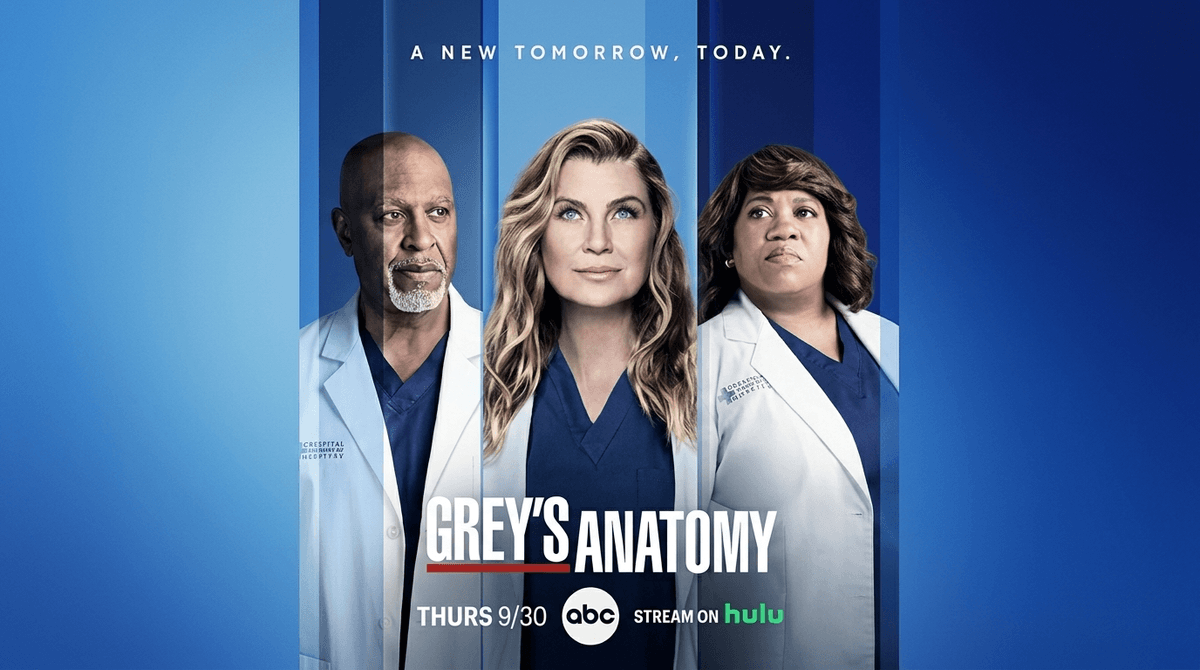
TL;DR: Grey’s Anatomy is the ultimate "comfort binge" for teens, but it’s a heavy lift. Expect high-intensity medical gore, very mature relationship dynamics (lots of "on-call room" hookups), and enough emotional trauma to keep a therapist busy for a decade. We recommend it for ages 13-14 and up, depending on your kid’s sensitivity to blood and "adulting" drama.
If you’re looking for medical shows with a slightly different vibe, check out:
- The Good Doctor (Great for discussing neurodiversity)
- New Amsterdam (Focuses on systemic healthcare issues)
- Scrubs (The classic "medical dramedy" that's actually more realistic about residency)
It’s 2026, and somehow, Meredith Grey is still the queen of the Netflix trending charts. Whether your kid found it through TikTok edits of "McDreamy" or because their older cousin is obsessed, Grey’s Anatomy has become a rite of passage for the middle and high school crowd.
But as a parent, seeing your 12-year-old watch a character perform a DIY surgery in an elevator while crying about their love life can be... a lot. You’re probably wondering: is this helping them learn about medicine and empathy, or is it just "brain rot" disguised as a prestige drama?
Let’s scrub in and look at what’s actually happening in the halls of Grey Sloan Memorial.
If you’ve lived under a rock since 2005, here’s the gist: the show follows Meredith Grey and her fellow interns as they grow into surgical residents and eventually attending surgeons. It’s equal parts high-stakes medical procedural and high-octane soap opera.
In 2026, the show is essentially a historical archive of the last two decades of pop culture, medical advancement, and TV tropes. It’s famous for its "disaster episodes" (bombs, shootings, plane crashes, ferry boat accidents—you name it, they’ve survived it) and its revolving door of cast members.
You might be surprised that a show older than your child is so popular, but it hits a few specific "Gen Alpha" and Gen Z sweet spots:
- The "Shipping" Culture: The show is built on complicated relationships. Kids love debating which doctors belong together, and the drama is "peak" entertainment for a developing teenage brain.
- Binge-ability: With over 20 seasons, it’s the ultimate "forever show." It provides a sense of digital stability.
- Aspirational Career Vibes: Believe it or not, a huge percentage of kids who watch Grey’s Anatomy actually get interested in biology and medicine. It makes being "smart and hardworking" look cool, even if the lifestyle is totally unrealistic.
- The Soundtrack: The show is legendary for its emotional music. It’s "aesthetic" in a way that translates perfectly to social media clips.
Grey’s Anatomy isn't just "doctors saving lives." It’s a show that leans hard into mature themes. Here is the "no-BS" breakdown of the content.
Medical Gore and Trauma
This is a surgical show. You will see open chests, beating hearts, blood spurting, and various gruesome injuries (think: a man with a tree branch through his torso). If your kid is squeamish or has a phobia of hospitals, this is a hard "no."
Beyond the blood, the emotional trauma is significant. The show frequently deals with death—not just of patients, but of beloved main characters. It can be a lot for a younger teen to process without some conversation.
Mature Relationships and Sex
The characters are constantly "hooking up." While the show rarely shows explicit nudity (it’s a network show, after all), the sexual situations are frequent and often the primary focus of the plot. It treats casual sex, cheating, and complex romantic entanglements as the norm.
Heavy Themes
The show doesn't shy away from:
- Mental Health: Depression, PTSD, and anxiety are major plot points.
- Social Issues: To its credit, Grey’s Anatomy has been a leader in representing LGBTQ+ relationships, racial bias in medicine, and women in STEM.
- Addiction: Several main characters struggle with substance abuse over the seasons.
Find out the most intense Grey's Anatomy episodes to watch out for
So, when is the "right" time to let them start the binge?
Ages 10-12: Proceed with Caution
At this age, the medical gore might be fine for some, but the "relationship drama" is often over their heads or a bit too mature. If they’re dying to watch it because "everyone else is," consider watching a few episodes with them. They might find the talky bits boring and move back to Stardew Valley or Minecraft anyway.
Ages 13-15: The Sweet Spot
This is when most kids dive in. They are old enough to understand the stakes and the interpersonal drama. It’s a great age to use the show as a springboard for conversations about consent, ethics, and career goals.
Ages 16+: Green Light
By this age, they’ve likely seen worse on the news. The show is essentially a "cozy drama" for older teens.
If your kid is already deep in a Season 5 binge, don't panic. Instead, use it as a "teachable moment" (without being a "cringe" parent).
- The "Hospital Hookup" Myth: Talk about how real workplaces have HR departments and how "on-call room" romances are mostly a TV fantasy.
- Medical Ethics: The characters in Grey’s Anatomy frequently break the law or hospital rules to save patients (the famous "L-VAD wire" incident, anyone?). Ask your kid: "Do you think they were right to do that? What are the real-world consequences?"
- Representation: The show is great for discussing how different people are treated in the healthcare system. It’s a low-stakes way to talk about high-stakes social issues.
If you feel like Grey’s is a bit too "soapy" or intense, there are other ways to scratch that medical itch:
This show follows Shaun Murphy, a young surgeon with autism and Savant syndrome. It’s excellent for discussing neurodiversity and has a slightly more "procedural" feel than the soap-opera vibes of Grey’s.
If your kid wants something funny, Scrubs is the way to go. It’s a comedy, but many real-life doctors say it’s actually the most accurate portrayal of what residency feels like. Note: It does have some early-2000s humor that hasn't aged perfectly, but it’s generally more "lighthearted" gore-wise.
For younger kids (or anime fans), this is an incredible way to learn about the human body. It anthropomorphizes cells (like a red blood cell delivering oxygen) and makes biology genuinely thrilling without the "who is sleeping with whom" drama.
Grey’s Anatomy isn't "bad" for your kids, but it is intense. It’s a show that requires an "intentional parent" to check in occasionally.
If your kid is handled the blood and the breakups well, it can actually be a bonding experience. Just be prepared for them to suddenly decide they want to be a neurosurgeon—at least until they see the tuition costs for med school.
Next Steps:
- Check the WISE score: Look up Grey’s Anatomy on our media page to see how other parents in your community rate the "sex" and "violence" levels.
- Watch the Pilot: The first episode is a great litmus test for whether your kid can handle the tone.
- Talk about "The ick": If the medical gore gives them "the ick," it’s okay to suggest a pivot to something like The Great British Baking Show.