The Ultimate Biology Cheat Code
Most educational shows for kids suffer from 'broccoli syndrome'—they try to hide the learning under a thin layer of entertainment that kids see through instantly. Cells at Work! flips the script. It is an action-comedy first, and a biology textbook second, which is exactly why it works.
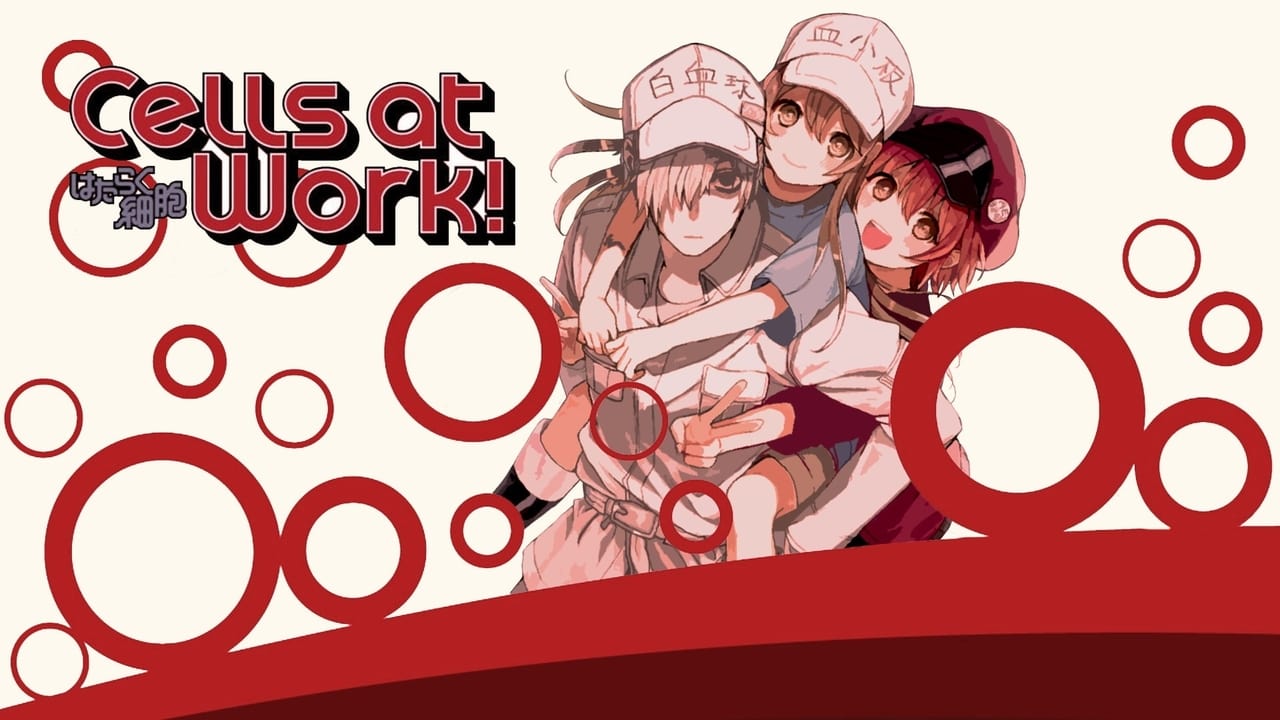
Every episode focuses on a specific bodily event—a scrape, a cedar pollen allergy, a bout of food poisoning—and personifies the immune response. You’ll find yourself actually caring about a Red Blood Cell (AE3803) who keeps getting lost in the lungs, or feeling a sense of relief when the Neutrophils show up to take out a stray bacterium.
"I watch the anime Cells at Work from a real doctor's view... explaining some of the medical science behind the anime. It's really good." — Doctor Mike
The 'Code Black' Warning
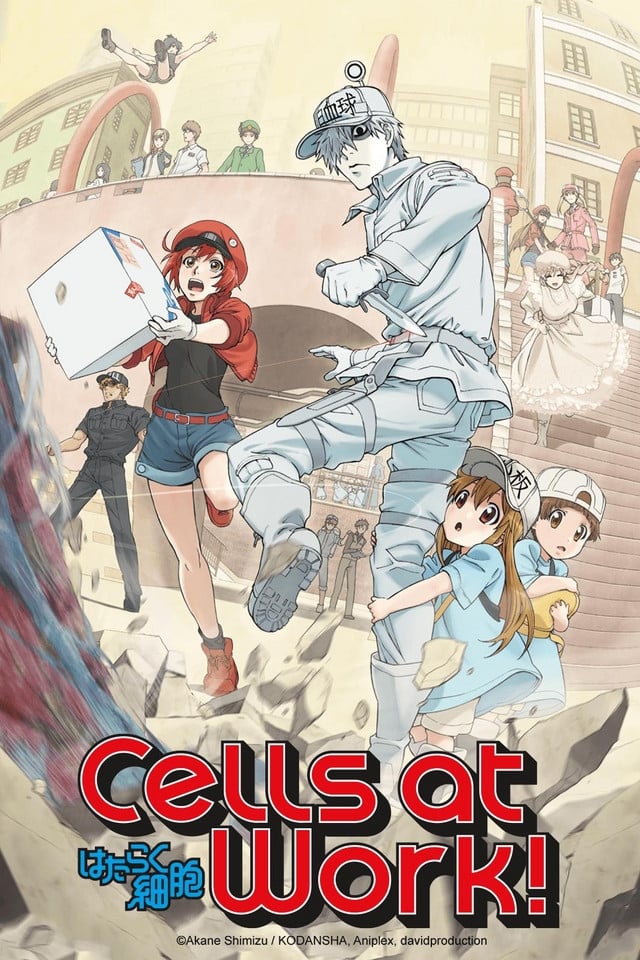
There is one major pitfall for parents here. Because the original series was so successful, it spawned a spin-off called Cells at Work! Code Black. While the original show takes place in a relatively healthy body, Code Black takes place in a body ravaged by smoking, heavy drinking, stress, and poor sleep. It is much darker, significantly more violent, and includes mature themes like erectile dysfunction and STDs. If you're browsing Netflix or Crunchyroll, stick to the original series (the one with the white and red cover art) for your kids.
Why It Sticks
By the time your kid finishes the first season, they will likely understand the role of helper T-cells and macrophages better than most high schoolers. It’s a fantastic example of using 'high-interest' media to bridge the gap into academic topics. It turns the 'invisible' processes of our bodies into a lived-in world that feels worth protecting.