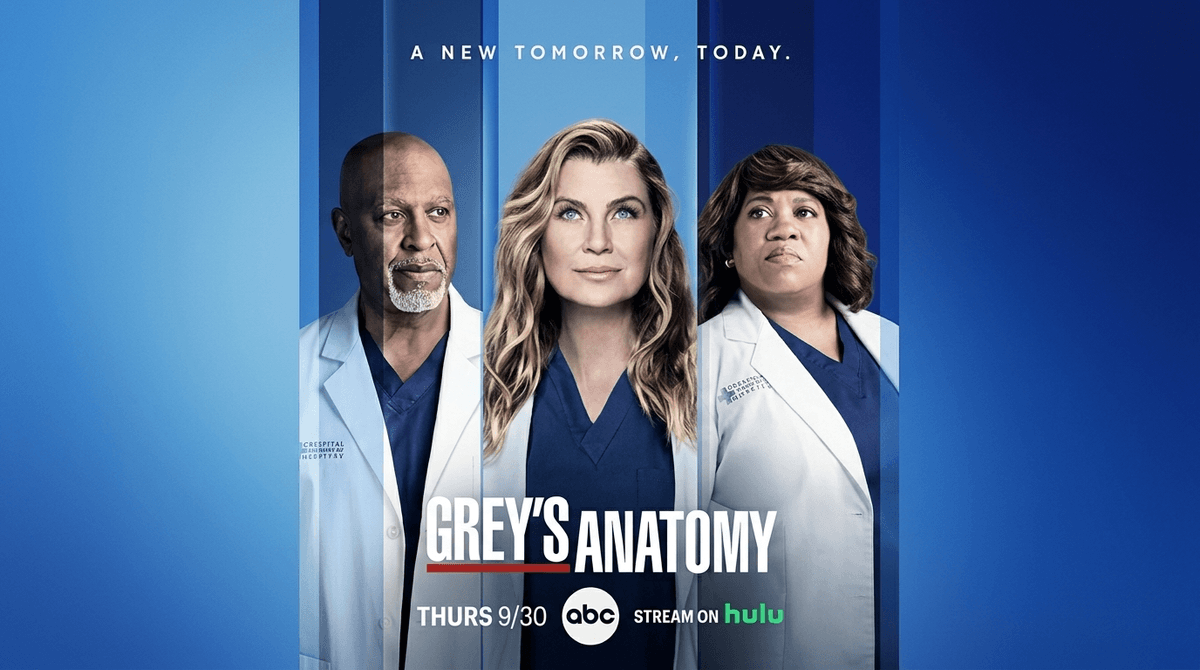
The show that started in 2005 has somehow outlasted most actual medical careers. If your teen is just discovering it on Netflix or Hulu, they aren't just starting a show; they’re entering a multi-decade cultural ecosystem. While the critics give it a solid 84% on Rotten Tomatoes, the real draw isn't the prestige—it's the relentless, high-stakes melodrama.
The "Surgery as Metaphor" Problem
The most important thing to understand about Grey’s is that the medicine is usually a backdrop for the surgeons’ personal disasters. Yes, the procedures are often technically accurate, but the ethics are a wild west. Characters regularly break hospital rules, hide secrets from patients, and make life-altering decisions in elevators.
If your kid is watching because they want to be a surgeon, they'll pick up a lot of real terminology. But you’ll want to remind them that in a real hospital, HR would have fired every single person at Grey Sloan Memorial by the end of season one. For a deeper look at how the show balances these heavy medical stakes with the constant character turnover, check out Scrubbing In: A Parent’s Guide to Grey’s Anatomy.
The "McSteamy" vs. Reality Gap
Parents often worry about the sex. While the show is famously "steamy," it's rarely explicit in a way that would trigger a TV-MA rating. You’re going to see a lot of shirtless doctors and post-coital conversations in bed, but the show is more interested in the angst than the anatomy.
The real friction for younger viewers is the emotional weight. Later seasons deal with heavy topics like foster care trauma and mental health crises. For instance, the character arc of Jo Wilson covers significant ground regarding domestic abuse and recovery. If your teen is gravitating toward those later seasons, our guide to Jo Wilson on Grey’s Anatomy helps navigate those specific, heavier themes.
Why the Binge is Different Here
Because there are over 20 seasons, the "just one more episode" trap is particularly dangerous. This isn't a tight, eight-episode prestige drama. It’s a soap opera designed to keep you clicking "Next Episode" until 2:00 AM.
If you're managing a teen who has gone down the Shondaland rabbit hole, it’s worth looking at what parents should know about teen TV on Hulu. The platform’s interface makes it incredibly easy to lose a whole weekend to the halls of Grey Sloan.
If They Liked This, What's Next?
If they’re here for the medical puzzles, they might find older shows like House interesting, though that's much more cynical. If they’re here for the "found family" vibe and the high-stakes drama, they’re exactly where they need to be. Just be prepared for the inevitable "I want to be a neurosurgeon" phase that usually lasts about three weeks—or until they realize how much actual math is involved.