

TL;DR: The Quick Hits
If you’ve walked into a Target or a GameStop in the last decade, you’ve seen them: the 4-inch vinyl figures with massive heads, tiny bodies, and those soul-staring black bead eyes. But what started as a shelf-filler for cubicles has evolved into a complex ecosystem of high-stakes collecting, digital gambling (NFTs), and a surprisingly gritty new video game.
- The Physical Hobby: Collecting is mostly harmless, but the "chase" can get expensive.
- The Game: Funko Fusion is not a "kids' game" in the same vein as LEGO Star Wars. It’s rated T for Teen and features some surprisingly mature themes.
- The Digital Trap: "Digital Pops" are Funko’s version of NFTs, and they’re essentially loot boxes that can lead to rare physical toys.
Top Media Mentions:
- Funko Fusion (Action-Adventure Game)
- The Toys That Made Us (Netflix Docuseries)
- Roblox (Where many kids first see "limited" item culture)
- Whatnot (The live-streaming auction app where kids watch the "hunt")
At their core, Funko Pops are stylized vinyl collectibles. They cover every corner of pop culture, from Marvel and Star Wars to obscure 80s horror movies and even cereal mascots.
For parents, they are often the "easy" gift. Your kid likes Stranger Things? Buy the Eleven Pop. They’re obsessed with Demon Slayer? There’s a Tanjiro for that.
But the "Pop!" world isn't just about $12 toys anymore. It’s a culture built on artificial scarcity, "vaulting" (retiring a figure so it's never made again), and "Chase" variants (rare versions of a common figure).
It’s the intersection of fandom and the "thrill of the hunt." For a 10-year-old, owning a "Grail"—a rare, expensive figure—is a status symbol. It’s the same energy as owning a rare skin in Fortnite or a limited-edition item in Roblox, but they can actually hold it in their hands.
It’s also a gateway to community. Kids watch "unboxing" videos on YouTube and follow collectors on TikTok, learning the lingo like "mint condition" and "sticker swap."
This is where things get a bit complicated for intentional parents. Because Funko looks like a toy brand, many parents assume Funko Fusion is a safe, all-ages experience similar to the LEGO games.
It isn't.
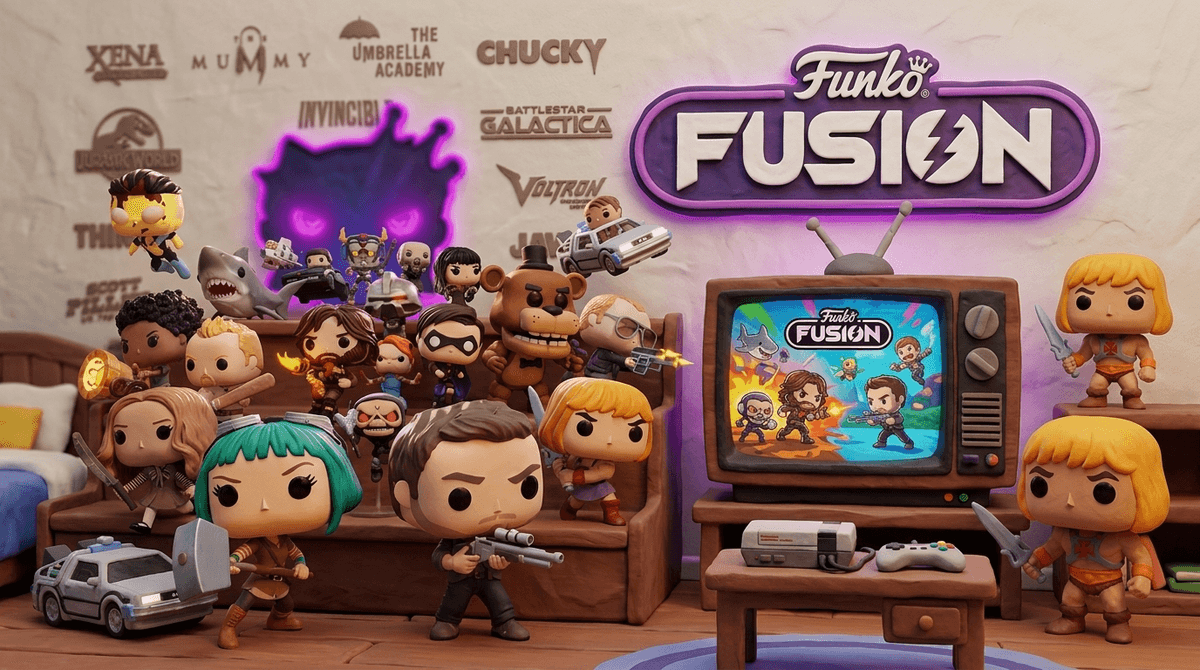
Funko Fusion is rated T for Teen. While it’s colorful and features "toy" characters, it includes properties like The Thing, Shaun of the Dead, and Invincible. We’re talking about cartoonish gore, decapitations, and some pretty intense action. If your 7-year-old is used to the lighthearted humor of LEGO Marvel Super Heroes, this might be a jarring jump.
See specific content triggers in Funko Fusion
If your kid starts asking for "Digital Pops" or talking about a site called Droppp, pay attention. Funko has leaned heavily into the NFT (Non-Fungible Token) space.
Here’s how it works: You buy a digital "pack" (essentially a loot box). You open it on your phone or computer. Most of the time, you get a digital sticker that does nothing. But, if you’re lucky enough to pull a "Legendary" or "Grail" digital card, you can eventually redeem it for a physical, exclusive Funko Pop that isn't sold in stores.
This is essentially gambling for kids. The odds are stacked against them, and the secondary market for these physical redemptions can reach hundreds or even thousands of dollars.
Learn more about the psychology of loot boxes and digital collecting
Funko collecting is heavily tied to the secondary market. If your child is getting serious about this, they’ve likely heard of Whatnot. It’s a live-streaming auction app that feels like a cross between Instagram and QVC.
Sellers run "mystery pulls" or "bounty hunts" where kids can pay $20 for a random box, hoping to win a $200 Pop. It’s high-energy, high-pressure, and incredibly addictive. We generally recommend that parents keep kids off Whatnot entirely until they are older and understand the value of money—and the reality of gambling odds.
Ages 5-9: The "Toy" Phase
At this age, Funko Pops are just cool action figures that don't move very well.
- Safety: They are solid vinyl, but some have small accessories that can be choking hazards.
- Media: Stick to the shows the Pops are based on, like Bluey or Pokemon.
- Avoid: Funko Fusion and any mention of digital collecting.
Ages 10-13: The "Collector" Phase
This is when the "I need the rare one" mentality kicks in.
- Discussion: Talk about "artificial scarcity." Explain that just because a company says something is "limited edition" doesn't mean it’s a good investment.
- Media: The Toys That Made Us on Netflix is a great watch for this age group to understand how the toy industry works.
- Gaming: If they want to play Funko Fusion, play it with them first or watch a "Let's Play" on YouTube to see if the level of "plastic gore" is okay for your family.
Ages 14+: The "Investor" Phase
Teens might start looking at Pops as a way to make money by "flipping" them.
- Financial Literacy: This is a great time to talk about market bubbles. Remember Beanie Babies? (We do, even if they don't).
- Digital Safety: If they are interested in the NFT side, ensure they are using their own earned money and understand that the "value" can drop to zero overnight.
You might hear people call Funko Pops "brain rot" for collectors—the idea that people are just buying plastic for the sake of buying plastic. While that’s a bit harsh, there is a "dopamine loop" involved in collecting that is very similar to social media scrolling.
If your kid is more interested in the value of the toy than the character it represents, it might be time to take a step back and look at why they’re collecting. Are they trying to impress friends on Discord? Are they falling for the marketing hype?
Check out our guide on helping kids manage "hype culture"
Funko Pops are, for the most part, a harmless way for kids to express their love for their favorite movies and games. The "red flags" only appear when the hobby shifts from physical play/display to digital gambling and high-stakes secondary markets.
If your kid wants to line their shelf with Minecraft and Spider-Man figures, let them go for it. It’s a tactile, offline hobby that encourages them to curate their own space. Just keep a close eye on the "Digital Pop" packs and the T-rated gore of Funko Fusion.
- Check the shelf: See which characters your kid is actually collecting. It’s a great window into what media they are consuming.
- Set a "Mystery Box" rule: If you're okay with the occasional blind bag, cool. If not, make it clear that we buy the characters we like, not the "chance" to get a rare one.
- Watch together: Check out an episode of The Toys That Made Us to spark a conversation about why we collect things.
- Audit the apps: Check if Whatnot or any NFT-related apps have snuck onto their phone.