

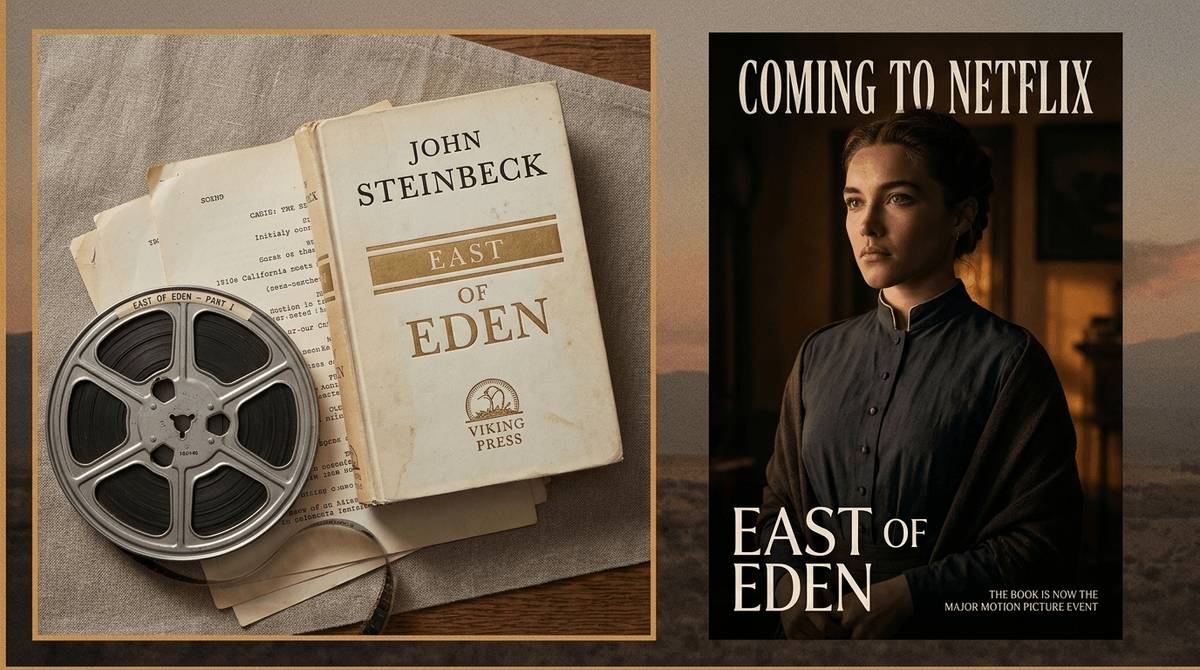
Netflix’s East of Eden is a far cry from the dusty, sanitized versions of the classics you might remember from high school English. This isn't a "prestige" period piece meant to be watched while folding laundry; it’s a visceral, high-definition autopsy of a family falling apart, led by a Florence Pugh performance that is frankly terrifying. If the 1955 movie was a postcard, this series is the messy, blood-stained letter that actually tells you what happened.
TL;DR Netflix’s East of Eden is a dark, sprawling adaptation of the Steinbeck classic that earns its "intense" reputation through psychological warfare and graphic themes. Starring Florence Pugh as the chilling Cathy Ames, it’s a masterclass in character study for older teens who can handle themes of betrayal and moral ambiguity. If they liked the high-stakes family drama of Succession or the grit of The Bear, this is their next obsession.
Screenwise Parents
See allLet’s be real: most people are clicking "play" for Florence Pugh. She plays Cathy Ames, Steinbeck’s most notorious antihero, and she does it with a cold, calculated precision that makes her previous roles look like rehearsals. In this version, Cathy isn't just a "bad woman"—she’s a force of nature.
The show doesn’t shy away from her backstory, which involves some of the series' most intense moments, including arson and cold-blooded manipulation. It’s the kind of performance that sparks actual conversations about whether people are born "evil" or if they’re made that way. If your teen is into psychology or character-driven storytelling, Pugh’s Cathy is a goldmine.
The original East of Eden movie was basically a James Dean vehicle that focused on the second half of the book. Netflix’s series goes back to the beginning, which means it’s much darker and covers ground the old Hollywood censors wouldn't touch.
The "Cain and Abel" Dynamic
The core of the story is the rivalry between brothers—first Adam and Charles, then Cal and Aron. In this version, the sibling jealousy isn't just pouting; it’s physical, messy, and occasionally brutal. The show captures that specific kind of brotherly resentment that feels all too real. It’s not "cartoon violence"; it’s the kind of emotional violence that leaves a mark.
The Brothel and Beyond
A significant portion of the story takes place in or around the brothel Cathy runs. While the show handles this with a modern lens, it’s still adult territory. We’re talking about themes of exploitation, power dynamics, and the "business" of vice. It’s handled with more maturity than a typical teen drama (looking at you, Euphoria), but the intensity is high.
The Psychological Weight
The real "intensity" here isn't just the blood or the sex; it’s the emotional baggage. The series explores the idea of "timshel"—the Hebrew word for "thou mayest"—which is the central theme of the book. It’s the idea that we aren't doomed to repeat our parents' mistakes; we have a choice. For a teen figuring out their own identity, that’s a heavy, beautiful, and potentially life-changing concept to chew on.
This series lands best with the 15+ crowd. Younger teens might find the pacing a bit slow or the psychological manipulation a bit too subtle to track, but for high schoolers, it’s peak television. It hits that sweet spot of being "educational" (it is a literal classic, after all) while being genuinely entertaining and edgy enough to feel relevant.
If your kid is currently suffering through the book in school, this series will make them actually care about the characters. If they aren't, it might be the thing that finally gets them to pick up a 600-page novel.
If your teen is hooked, don't just let the credits roll. This show is built for "The Big Conversation."
- The "Nature vs. Nurture" Debate: Ask them what they think about Cathy. Is she a monster because she wants to be, or did something happen to her? Steinbeck famously called her a "malformed soul." Does the show agree?
- The Sibling Trap: Cal is the "bad" brother and Aron is the "good" one—at least on the surface. Ask your kid which one they actually relate to. Usually, the answer is more complicated than "the good one."
- The Power of "Timshel": This is the soul of the story. Talk about the idea that we aren't "destined" to be like our parents. It’s a huge relief for some kids to hear that their choices actually belong to them.
The hardest part of East of Eden isn't the occasional graphic scene; it's the relentless bleakness of the first few episodes. It’s a "slow burn" that rewards patience. If your teen is used to the mile-a-minute pacing of TikTok, they might need a nudge to stick with it through episode two. Once the brothers grow up and the central conflict locks in, they won't be able to look away.
Q: Is East of Eden on Netflix okay for a 14-year-old? It depends on the 14-year-old, but generally, it's pushing it. The themes of prostitution, murder, and deep-seated familial hatred are heavy. If they’ve handled shows like Stranger Things or The Queen’s Gambit, they’ll likely be fine, but maybe watch the first episode together to gauge the vibe.
Q: How much "adult content" is actually in it? It’s a Netflix TV-MA. There is nudity and sexual content, primarily centered around Cathy’s career in the brothel, and the violence is realistic rather than stylized. It’s not gratuitous, but it’s definitely not for the Disney+ crowd.
Q: Do they need to read the book first? Absolutely not. In fact, watching the show might make the book a much easier sell. The series does a great job of modernizing the dialogue while keeping the 1910s California setting, making the whole story feel much more accessible than the prose might initially seem.
East of Eden is a rare bird: a "classic" adaptation that actually has teeth. It’s intense, yes, but it’s the kind of intensity that respects the audience’s intelligence. It’s a dark, beautiful, and occasionally horrifying look at what it means to be human.
- For more high-stakes drama, check out our best shows for kids list.
- If they loved the literary vibes, dive into our digital guide for high schoolers.
- Find more shows like East of Eden
