The Genius Myth, Deconstructed
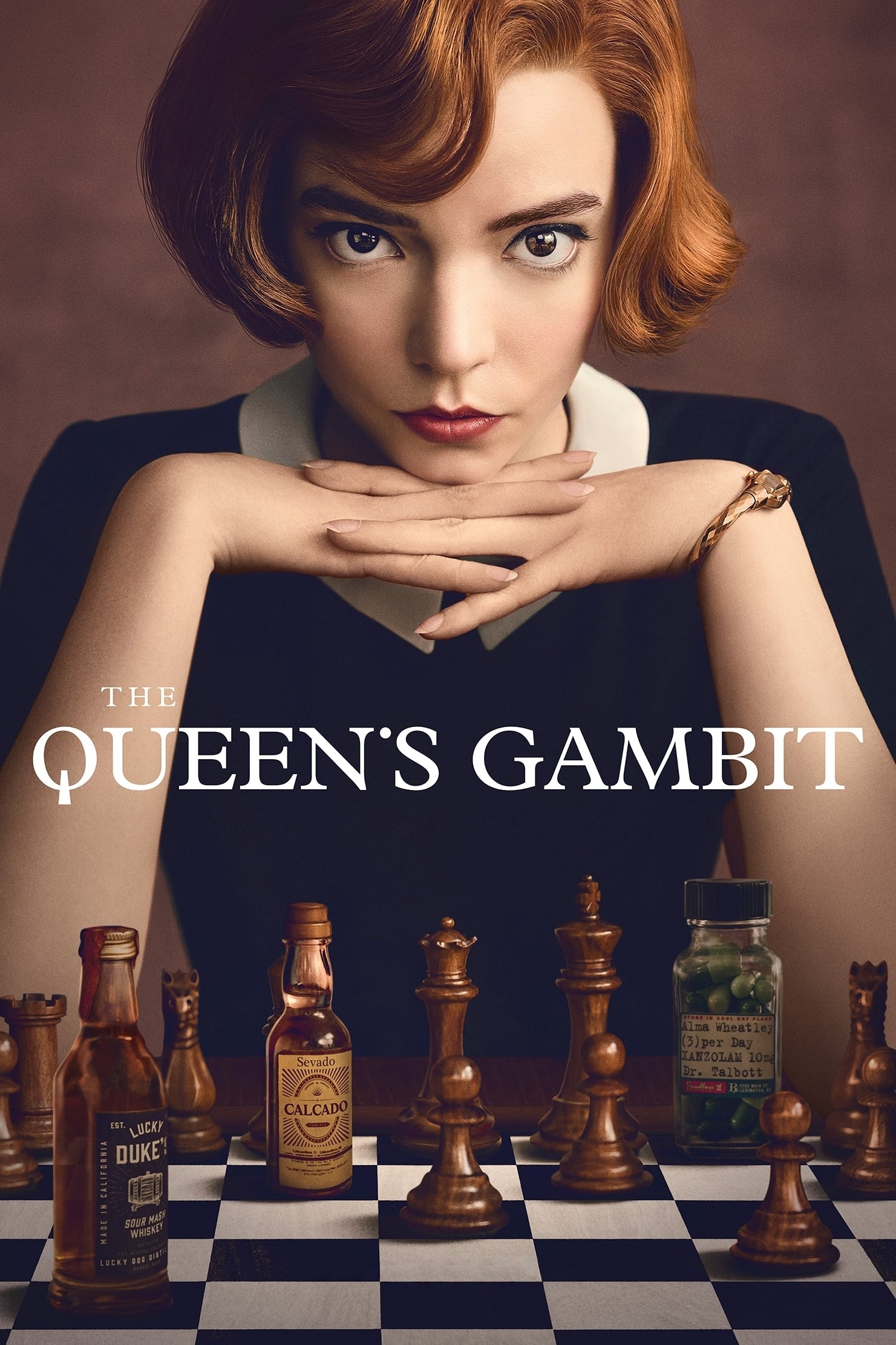
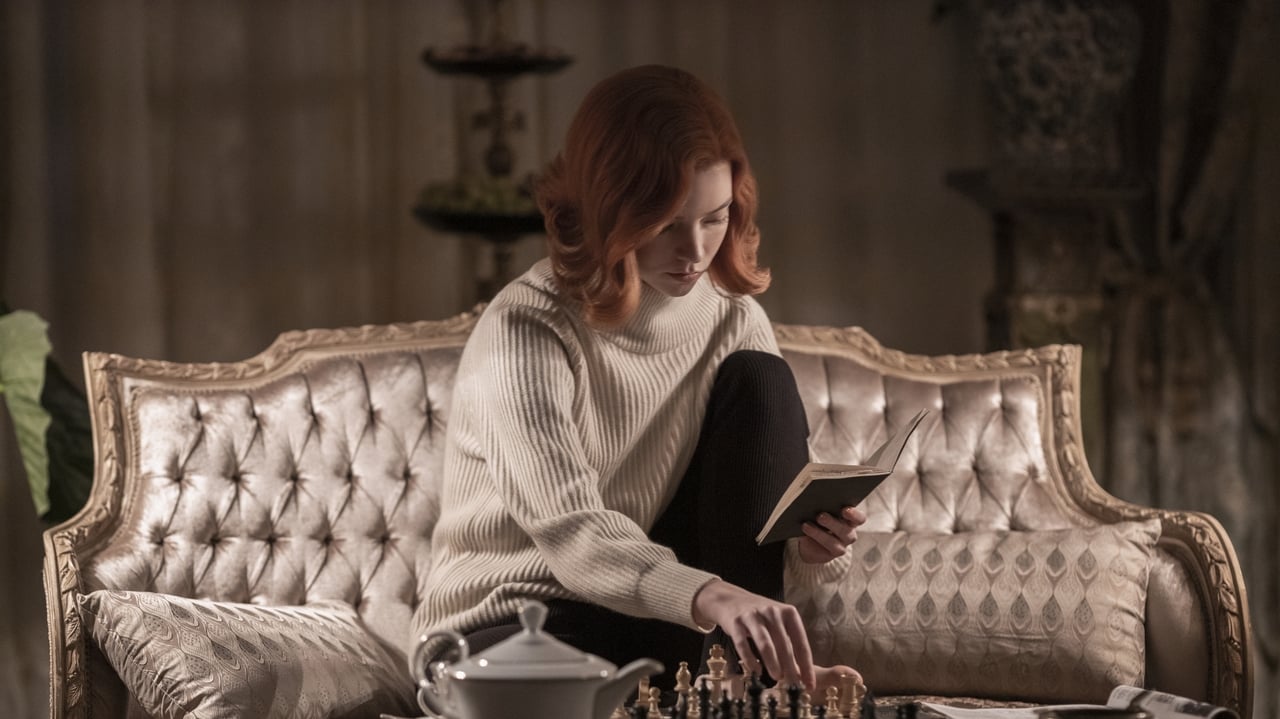
Most sports or prodigy dramas fall into a predictable groove: the chosen one practices hard, faces a bully, and wins the trophy to prove everyone wrong. The Queen's Gambit takes a much colder look at exceptional talent. Beth Harmon is not an underdog because people doubt her; she is an underdog because her internal coping mechanisms are actively trying to kill her.
The series succeeded in late 2020 by treating chess with uncompromising tactical respect—consulting Garry Kasparov and Bruce Pandolfini so every piece movement on screen reflected authentic grandmaster lines—while keeping the camera glued to the psychological warfare across the clock.
Watching with Teens: Where the Value Sits
If you have a high schooler interested in competitive gaming, chess, or any intense solo pursuit, this is prime co-watching material. It offers an antidote to the lone-wolf myth. Throughout the story, Beth isolates herself, convinced that dependency and solitude make her sharp. Her breakthrough only lands when she accepts help, studies collective opening theory with former opponents, and plays sober.
Keep the age boundary firm around 14 or 15. The orphanage sequences involve state-sponsored sedative dosing of children, and Beth's later downward spirals involve heavy benders and messy personal fallout. But unlike shows that glamorize the rock-and-roll burnout, this story makes the hangovers pathetic and the sober victories genuinely earned.