

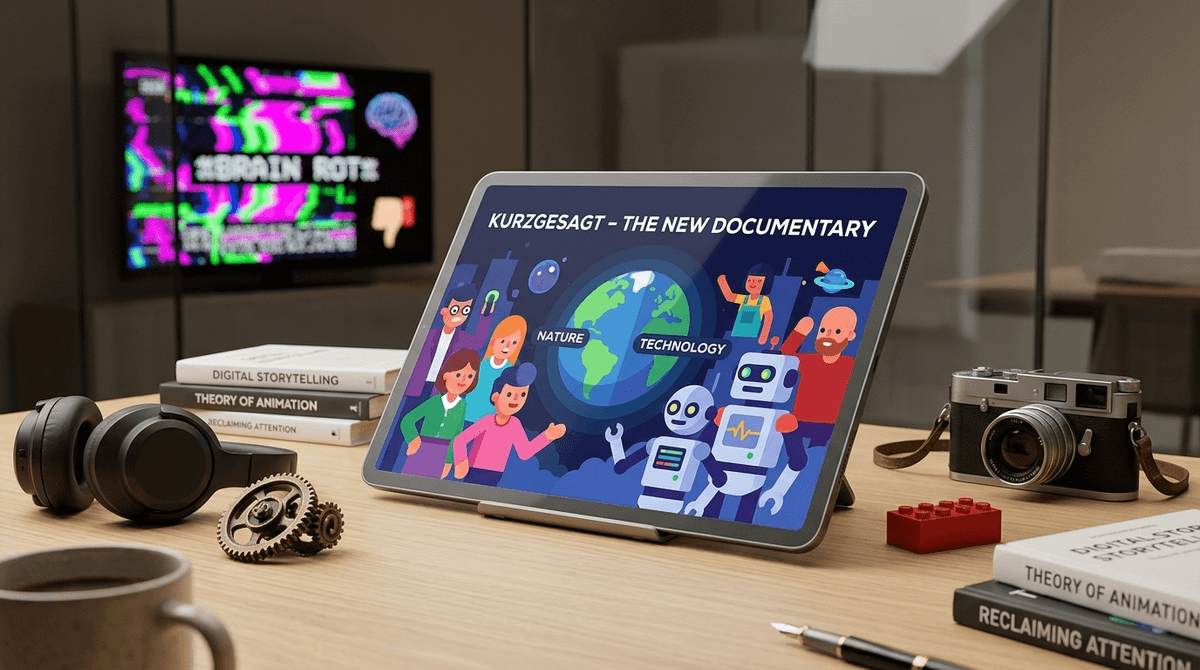
TL;DR: "Cooked documentaries" are long-form YouTube video essays—often 30 to 90 minutes long—that argue Gen Alpha (your kids) is "cooked" (doomed) due to "brain rot" content, failing literacy rates, and "iPad kid" energy. While they look like serious journalism, they are often cynical, alarmist, and can make kids feel anxious about their own future.
Quick Links for Context:
If you’ve walked past your kid’s laptop lately and seen a thumbnail featuring a dark, grainy image of a toddler staring at a screen with a caption like "The Death of Gen Alpha" or "Why This Generation is Failing," you’ve encountered the "cooked-doc."
In Gen Z and Gen Alpha slang, to be "cooked" means you’re done for, ruined, or have no hope. These "documentaries" are essentially deep-dive video essays created by commentary YouTubers. They use dramatic music, fast-paced editing, and a lot of pseudo-sociological jargon to explain why today’s kids are supposedly losing their minds to Skibidi Toilet and TikTok memes.
The weirdest part? Kids are the ones watching them.
Your 10-to-14-year-old is likely watching a 40-minute video explaining why their own age group is doomed. It’s meta, it’s cynical, and it’s becoming a massive genre on the platform.
See why kids are obsessed with doomer content
It might seem counterintuitive for a kid to watch a video that basically calls them and their friends "brain-rotted," but there are a few reasons this trend is exploding:
1. The "Not Me" Factor
Kids love to feel like they are the exception. By watching a documentary about "iPad kids" on YouTube, your child feels like the sophisticated observer rather than the subject. It’s a way for them to distance themselves from the "cringe" younger kids who are obsessed with Roblox or YouTube Shorts.
2. High Production Value
These aren't just kids talking into webcams. Creators like SunnyV2 or Solar Sands (who often lean into more art-focused critiques) use professional editing, compelling narratives, and "prestige" aesthetics. To a kid, this looks like a Netflix documentary, which gives the content an air of authority it might not actually deserve.
3. Intellectual Posturing
Middle schoolers are in a phase where they want to understand the world in a "deeper" way. These videos provide a "unified theory" of why the world feels chaotic. They use words like "dopamine receptors," "attention spans," and "digital literacy," which makes the viewer feel like they’re getting a college-level sociology lecture.
To understand these documentaries, you have to understand the content they are critiquing—collectively known as "brain rot." This includes:
- Skibidi Toilet: A surreal series about heads coming out of toilets.
- Garten of Banban: A low-effort horror game aimed at kids.
- Content Farms: Channels that pump out hundreds of mindless, brightly colored videos a day.
The "cooked" documentaries take this content and frame it as a psychological crisis. While there is a legitimate conversation to be had about the quality of digital media, these YouTubers often jump straight to "the end of civilization."
Here’s the thing: most of these "documentaries" are built for the algorithm, not for the truth.
They are Alarmist for Views
YouTube rewards high "watch time." If a creator can keep your kid engaged for 60 minutes by scaring them or making them feel superior to "brain-rotted" toddlers, they make more money. The darker the thumbnail, the higher the click-through rate.
They Lack Nuance
These videos often cite "dropping test scores" or "kids can't read" based on a few viral TikTok videos from frustrated teachers. While literacy is a real concern, these creators aren't educational experts; they are entertainers. They ignore the fact that every generation—from the Jazz Age to the "TV will rot your brain" era—has been told they were "cooked."
The "Doomer" Pipeline
Watching too much of this can lead to "Doomerism"—a sense of hopelessness about the future. If a 12-year-old is constantly told their brain is fried and the world is ending, it doesn't exactly motivate them to go out and learn a new skill or engage with the real world.
Check out our guide on the "Doomer" pipeline and teen mental health
If your kid likes the "deep dive" documentary style but you want to steer them away from the cynical "everything is trash" vibe, there are incredible creators making high-quality, long-form content that actually teaches something.
Kurzgesagt – In a Nutshell (Ages 8+)
This is the gold standard. They tackle massive scientific and philosophical questions with beautiful animation. It’s "deep," but it’s grounded in actual research rather than internet drama.
Mark Rober (Ages 7+)
For the kid who likes the "spectacle" of YouTube, Rober combines engineering with high-production entertainment. It’s the opposite of brain rot—it’s "brain growth."
The Toys That Made Us (Netflix) (Ages 10+)
If they want a "real" documentary about culture, this series is fantastic. It looks at the history of things like Lego and Star Wars, explaining the business and creativity behind them.
Wendover Productions (Ages 12+)
For the kid who likes the "sociology" aspect of cooked-docs, Wendover explains how the world works—logistics, economics, and geography. It’s fascinating and actually informative.
- Ages 7-10: Most "cooked documentaries" are too cynical and fast-paced for this age group. They likely won't understand the irony and might just end up confused or scared. Stick to PBS Kids or National Geographic Kids.
- Ages 11-14: This is the prime demographic. They are starting to develop a sense of irony and "cringe." This is the time to talk about Media Literacy. Ask them: "Who made this video? What are they trying to sell you? Why is the music so scary?"
- Ages 15+: High schoolers can usually handle the content, but they might fall into the trap of thinking these YouTubers are "intellectuals." Encourage them to find actual books or long-form journalism on these topics if they are truly interested in the sociology of the internet.
If you see your kid watching one of these, don't just ban it. That makes it "forbidden knowledge." Instead, lean in.
Try saying:
- "I saw that video you were watching about 'iPad kids.' The guy sounded really intense. Do you actually think kids your age can't read, or is he just exaggerating for clicks?"
- "That thumbnail looks like a horror movie. Why do you think YouTubers use those kinds of images to talk about Skibidi Toilet?"
- "It’s interesting that he’s using YouTube to complain about how YouTube is ruining everyone. Isn't that a bit hypocritical?"
Get a list of conversation starters for digital media literacy
The "Generation is Cooked" documentary trend is a symptom of a larger internet culture that prizes cynicism over curiosity. These videos aren't "educational"—they are entertainment disguised as sociology.
While it’s great that your kid has the attention span for a 60-minute video, make sure they aren't just consuming a 60-minute lecture on why they have no future. Encourage them to seek out creators who build things up rather than just tearing things down.
Next Steps:
- Check your kid's YouTube watch history for channels like SunnyV2 or Turkey Tom.
- Introduce them to a "high-quality" documentary channel like Kurzgesagt.
- Have a "no-BS" conversation about how YouTube algorithms work to keep people angry or scared.
Learn more about how the YouTube algorithm targets your child