

Coming-of-age books are stories about teenagers figuring out who they are—navigating identity, relationships, family drama, first love, heartbreak, and all the messy, complicated stuff that comes with growing up. These aren't the sanitized "problem novels" from decades past. Today's YA coming-of-age literature tackles everything from mental health and sexuality to racism, grief, and finding your people when the world feels overwhelming.
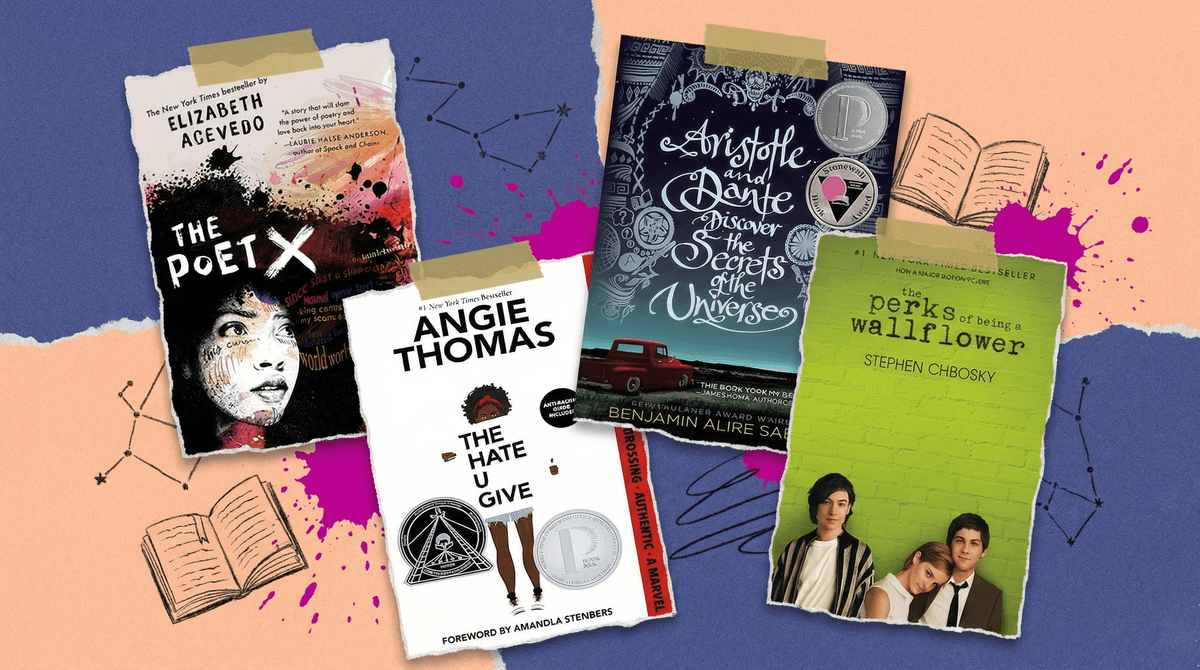
Think The Perks of Being a Wallflower, The Hate U Give, or Aristotle and Dante Discover the Secrets of the Universe—books that meet teens where they are and help them make sense of their own experiences through someone else's story.
Here's the thing: teens are going to encounter complex emotions, difficult situations, and identity questions whether we like it or not. Coming-of-age books give them a safe space to explore these themes through characters who feel real, who mess up, who grow.
Books build empathy in ways that algorithms can't. While your teen is scrolling through carefully curated Instagram feeds or absorbing whatever the TikTok algorithm decides to serve them, books offer something different: sustained, deep engagement with another person's interior life. They slow down the brain's constant dopamine-seeking and create space for reflection.
Research consistently shows that reading literary fiction increases empathy and emotional intelligence. For teens navigating their own identity formation while also trying to understand others, this matters enormously.
And let's be honest—sometimes it's easier for a teen to process their own anxiety, sexuality, or family struggles through a character's journey than to talk about it directly with you. Books can be conversation starters, but they can also just be private processing time, and that's okay too.
Ages 12-14 (Middle School)
This age group needs books that acknowledge they're not little kids anymore without throwing them into the deep end. Look for:
- Wonder by R.J. Palacio - Empathy, kindness, and accepting differences
- The Crossover by Kwame Alexander - Family, sports, and finding your voice (in verse!)
- Speak by Laurie Halse Anderson - Tackles assault and trauma (preview this one first; it's powerful but heavy)
- Ghost by Jason Reynolds - Running from your past, literally and figuratively
These books deal with real issues but with protagonists who are still figuring out who they are in age-appropriate ways.
Ages 14-16 (Early High School)
Now we're getting into more complex territory—sexuality, mental health, systemic injustice, grief. Teens this age can handle nuance:
- The Hate U Give by Angie Thomas - Police brutality, activism, code-switching
- Simon vs. the Homo Sapiens Agenda by Becky Albertalli - Coming out, first love, blackmail (but ultimately hopeful)
- All the Bright Places by Jennifer Niven - Mental illness and suicide (definitely preview this one)
- Eleanor & Park by Rainbow Rowell - First love, abuse, belonging
Ages 16-18 (Late High School)
Older teens can engage with sophisticated narratives and moral ambiguity:
- The Perks of Being a Wallflower by Stephen Chbosky - Mental health, trauma, found family
- Aristotle and Dante Discover the Secrets of the Universe by Benjamin Alire Sáenz - Identity, sexuality, friendship-to-love
- The Poet X by Elizabeth Acevedo - Religion, sexuality, family expectations, finding your voice
- We Are Okay by Nina LaCour - Grief, queer identity, isolation
Content warnings exist for a reason. Many coming-of-age books deal with heavy topics: sexual assault, suicide, eating disorders, drug use, abuse. This doesn't make them inappropriate—these are realities many teens face. But you should know what's in a book before your kid reads it, not to censor, but to be prepared for conversations.
Sites like Common Sense Media provide detailed content breakdowns. Or just... read the book yourself. I know, I know—you're busy. But if your teen is reading something that deals with serious themes, having read it yourself makes you infinitely more helpful when they want to talk about it.
Diverse books aren't "political." Books featuring LGBTQ+ characters, people of color, or different religions aren't "agenda-driven"—they're just reflections of the actual world. If your teen's friend group includes queer kids (and statistically, it does), books with queer characters normalize their experiences. If your teen is white and suburban, books by authors of color build understanding of experiences different from their own.
Not every book needs to teach a lesson. Sometimes a book's value is just in making a teen feel less alone. That's enough.
The fastest way to kill a teen's interest in discussing a book is to turn it into a book report interrogation. Instead:
Ask open-ended questions:
- "What did you think of [character]?"
- "Would you have made the same choice?"
- "Did anything surprise you?"
Share your own reactions if you've read it:
- "I couldn't believe when [spoiler]..."
- "I related so much to [character's] relationship with their mom"
Let them process privately. Not every book needs to be discussed. Sometimes the gift is just the reading itself.
Create a book-friendly environment. Physical books visible in your home, time to read without screens, family reading time (even if everyone's reading different things)—these normalize reading as a valuable activity.
Here's where this gets relevant to digital wellness: reading books is one of the best antidotes to the constant stimulation of screens. Books require sustained attention, delayed gratification, and imagination in ways that scrolling never will.
But here's the catch—if your teen is used to the rapid dopamine hits of TikTok or YouTube, sitting down with a book can feel impossibly slow at first. Their brain has been trained for constant novelty.
Start small. Even 15-20 minutes of reading before bed (with phones out of the room) can help retrain attention spans. Audiobooks count too—especially for kids who struggle with focus or have learning differences. Libby and Spotify both offer free audiobook access through library cards.
Coming-of-age books give teens something social media can't: deep, sustained engagement with complex human experiences. They build empathy, normalize difficult emotions, and help teens understand that their struggles aren't unique—others have felt this way and survived.
Not every book will resonate with every kid. That's fine. The goal isn't to force-feed literature; it's to help your teen find stories that speak to them. And when they do find that book—the one they can't put down, the one that makes them feel seen—that's when the magic happens.
Next steps:
- Ask your teen's English teacher or school librarian for recommendations based on your kid's interests
- Check out book lists for reluctant readers if your teen isn't naturally drawn to reading
- Consider starting a casual parent-teen book club with just the two of you (one book every month or two, low pressure)
- Browse diverse YA recommendations to expand beyond the classics
Books won't solve everything, but they're one of the most powerful tools we have to help teens develop into thoughtful, empathetic humans. And in a world of infinite scroll, that matters more than ever.